




What's Happening?
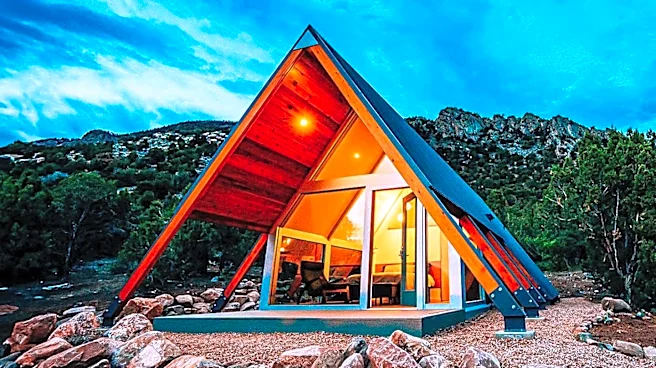
Cabin architecture is undergoing a significant redefinition, moving beyond its traditional role as a simple refuge to become a symbol of a slower, more autonomous rhythm of life. This trend is explored in 'Refugio, una historia de cabañas' by Spanish
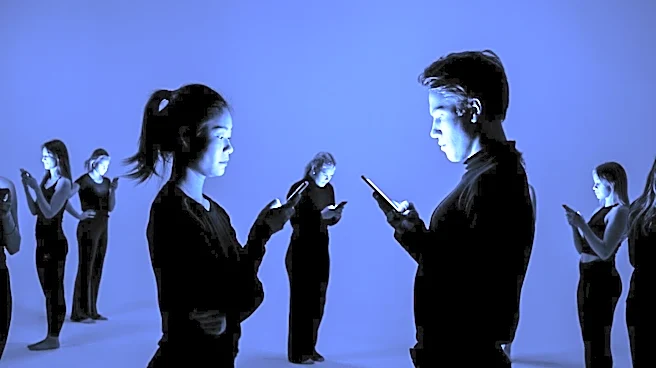
journalist and curator Eva Morell, which examines the cabin as both a physical structure and a recurring human desire for comfort, calm, and safety. The contemporary appeal of cabins is amplified by their presence on social media platforms like Instagram and Pinterest, where isolated timber structures in natural landscapes offer a visual escape from constant connectivity. Morell notes the paradox of using digital tools to seek an offline experience, highlighting a societal weariness with hyper-technological and productivity-driven lifestyles. The cabin, in this context, represents a projection of an alternative routine, one that offers a different relationship with work, technology, possessions, and time.
Why It's Important?
The re-emergence of cabin architecture as a cultural phenomenon reflects a broader societal yearning for disconnection and simplicity in an increasingly complex world. This trend impacts various sectors, from tourism and real estate to design and mental wellness. The 'cabañificación' process, as described by Morell, transforms basic human needs like quiet and nature into commodified experiences, often at a high cost. This raises questions about accessibility and the commercialization of what should be freely available. For the design and architecture industries, cabins serve as experimental grounds for addressing fundamental questions about habitation, material economy, and the relationship between buildings and their environment. The focus on constrained footprints forces innovative solutions regarding space utilization and essential comforts, potentially influencing future residential design and urban planning by highlighting what people truly value in their living spaces.
What's Next?
The ongoing popularity of cabin architecture suggests a continued exploration of minimalist living and sustainable design. Architects and designers are likely to further experiment with materials, energy efficiency, and integration with natural landscapes to meet the growing demand for these types of dwellings. The tension between the cabin as a symbol of resistance against modern pressures and its increasing commodification will likely persist, prompting discussions about ethical tourism and accessible retreats. We may see more initiatives aimed at making the 'conditions of life' associated with cabins—such as silence, autonomy, and reduced consumption—more integrated into everyday urban and suburban environments, rather than solely confined to remote getaways. This could lead to innovations in urban planning, community design, and even interior design that prioritize well-being and a connection to nature.
Beyond the Headlines
The cabin's renewed prominence delves into deeper psychological and cultural implications. It represents a collective desire to return to fundamental human needs for protection and belonging, echoing the primal impulse to construct spaces of refuge. Morell's perspective that 'the cabin is more a feeling than an architecture' underscores its role as a psychological anchor in a turbulent world. This phenomenon also highlights the ethical dilemma of turning basic human desires for peace and nature into luxury commodities, raising questions about social equity and access to restorative environments. The digital dissemination of cabin imagery, while seemingly contradictory, reveals a profound human need to visualize and project alternative realities, even if those realities remain aspirational. This trend could foster a re-evaluation of what constitutes 'home' and 'comfort' in the long term, potentially shifting societal values towards experiences over possessions and well-being over productivity.