







What's Happening?
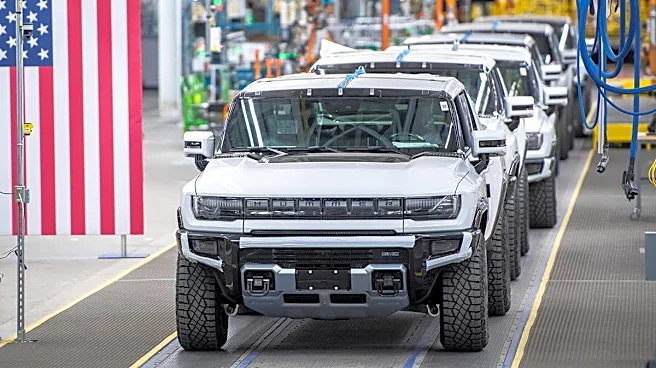
Chevrolet's Silverado EV, an all-electric version of its popular pickup truck, is experiencing sluggish sales despite its advanced features and capabilities. The Silverado EV offers a range of over 400 miles on a single charge, a spacious interior, and advanced driver-assistance
systems like Super Cruise. However, only about 14,000 units were sold last year in the U.S. and Canada, a stark contrast to the fossil fuel-powered Silverado, which sells ten times that amount in a quarter. The vehicle's high price and concerns about towing range are cited as potential reasons for the slow sales, although the average price of full-size pickups is close to the Silverado EV's cost.
Why It's Important?
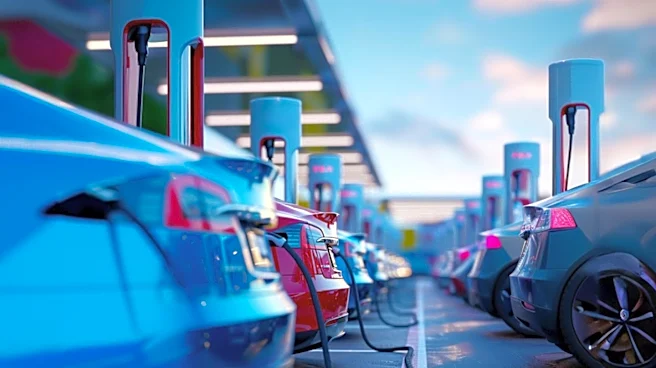
The slow sales of the Silverado EV highlight the challenges automakers face in transitioning consumers to electric vehicles, particularly in the pickup truck segment. Despite offering a product that aligns with the growing demand for sustainable transportation, Chevrolet's experience suggests that consumer hesitancy remains a significant barrier. This hesitancy could be due to concerns about range, charging infrastructure, and the higher upfront costs associated with EVs. The situation underscores the need for continued consumer education and infrastructure development to support the broader adoption of electric vehicles.
What's Next?
General Motors, Chevrolet's parent company, may need to consider strategies to boost Silverado EV sales, such as price adjustments or marketing campaigns to better communicate the vehicle's benefits. Additionally, the company is exploring new battery technologies that could reduce costs and improve performance, potentially making the Silverado EV more competitive. As the market for electric vehicles continues to evolve, Chevrolet and other automakers will need to adapt to changing consumer preferences and technological advancements.