

What's Happening?
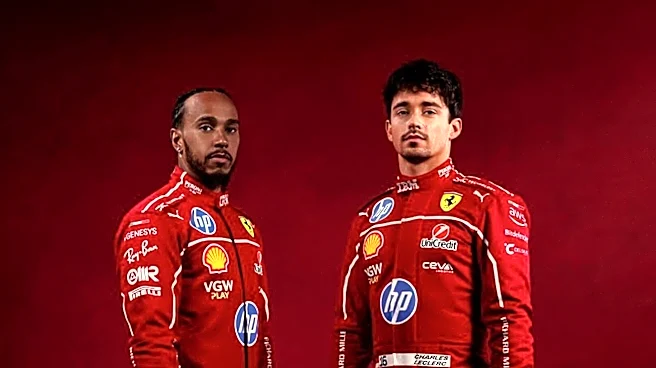
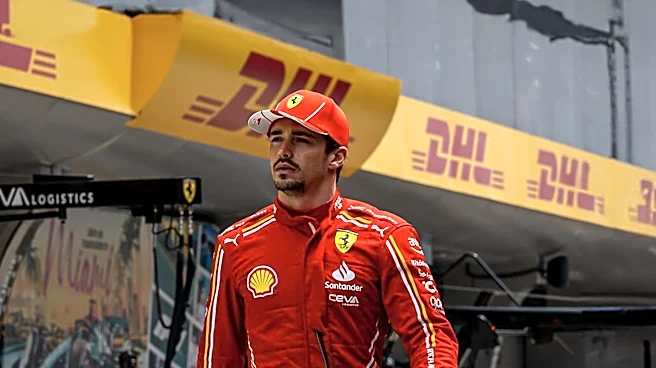
Ferrari Formula 1 driver Charles Leclerc has characterized the five-second penalty he received at the Brazilian Grand Prix as 'harsh.' The penalty, issued after contact with Racing Bulls driver Liam Lawson, resulted in Leclerc dropping from seventh to
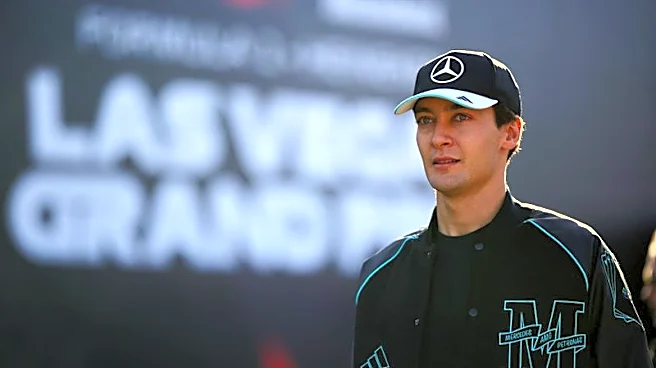
eighth place. The incident occurred on the penultimate lap at Interlagos when Leclerc tapped the left rear of Lawson's car at Turn 12 before overtaking him. Stewards acknowledged the contact was minor but determined it allowed Leclerc to gain an advantage, leading to the five-second sanction rather than a more severe ten-second penalty, considering the wet conditions. Leclerc, speaking ahead of the Las Vegas Grand Prix, stated he did not believe the call was fair, arguing that such contact is 'part of racing,' especially in challenging conditions. This marks Leclerc's second penalty in as many races, following a five-second penalty in Mexico for leaving the track and gaining an advantage.
Why It's Important?
This incident highlights ongoing debates within Formula 1 regarding racing standards, penalty consistency, and the discretion of race stewards. Leclerc's comments, echoed by McLaren's Lando Norris who called the move 'just racing,' suggest a divergence of opinion between drivers and officials on what constitutes an acceptable maneuver, particularly in adverse weather conditions. Such disagreements can impact driver morale and potentially influence future racing strategies as drivers weigh the risks of aggressive overtakes against potential penalties. For Ferrari, maintaining driver focus and avoiding penalties is crucial as they aim to secure their position in the constructors' championship. The consistency of penalty application is a recurring theme in F1, and incidents like this contribute to the broader discussion about fairness and predictability in race officiating.
What's Next?
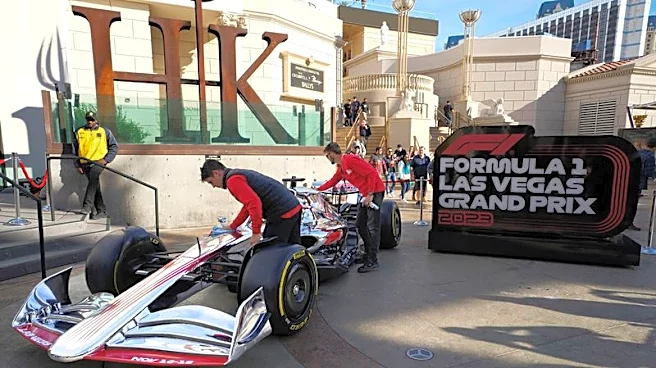
The immediate focus for Charles Leclerc and Ferrari will be the upcoming Las Vegas Grand Prix, where Leclerc aims to finish the season with a win. While the Brazilian Grand Prix penalty is final, the discussions surrounding its fairness may continue to influence driver-steward relations and potentially lead to further clarification or adjustments in racing guidelines in the long term. The ongoing dialogue among drivers, teams, and the FIA regarding racing incidents and penalties is a continuous process, with each controversial decision adding to the body of precedent. Drivers will likely continue to push the boundaries of what is considered 'racing,' while stewards will strive to maintain fair play and safety, ensuring these debates persist throughout the season and into future championships.