





What's Happening?
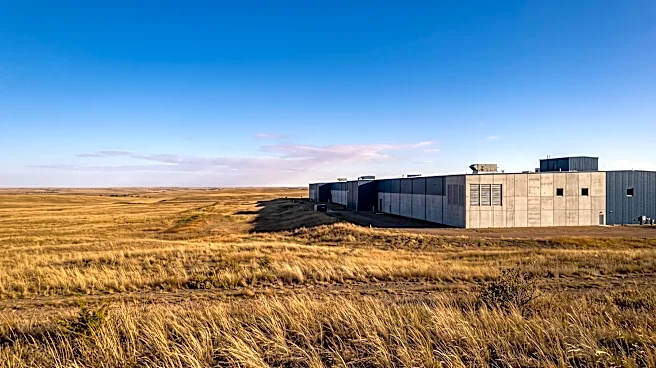
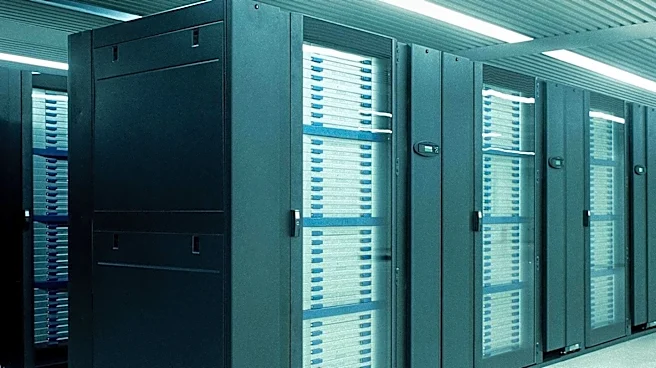
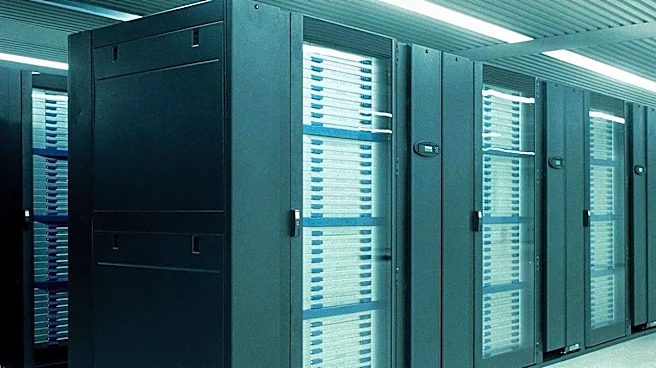
Reading City Council is reviewing a proposed zoning amendment for data centers, aiming to establish regulations for this rapidly growing industry. The 23-page proposal, currently in its fourth draft, would permit data centers as a conditional use in the
city's heavy manufacturing and manufacturing commercial districts. This means each individual data center project would require council approval. The regulations address various concerns, including setbacks from residential and preservation districts, floodplains, riparian buffers, landscaping, building design, traffic, noise, vibration, water and wastewater infrastructure, electricity use, and potential environmental impacts. The city initiated this process after Councilman Jaime Baez Jr. highlighted the absence of data center provisions in Reading's existing zoning ordinance, triggering a municipal curative amendment process that provides 180 days to correct the deficiency. A task force, including consultant Jerome Skrincosky, is coordinating the effort and has approximately three months remaining in this period.
Why It's Important?
The proposed zoning rules are important for Reading as they represent a proactive approach to managing the potential impact of data center development. Data centers, while offering economic development opportunities, also present significant challenges related to resource consumption, particularly water and electricity, and potential environmental and community impacts. By establishing clear regulations, Reading aims to balance economic growth with the protection of its residents, natural resources, and existing businesses. This move could set a precedent for other municipalities facing similar development pressures from the tech industry. The regulations will influence where data centers can be built, how they must operate, and their integration into the city's infrastructure, potentially mitigating negative consequences such as increased living costs or strain on public services. The discussion also highlights the evolving nature of urban planning in response to new technologies and industries.
What's Next?
Officials are expected to make several final edits to the proposed zoning amendment before it is sent to Berks County for a mandatory 30-day review. Following this, the planning commission will issue a recommendation, which will then lead to a public hearing and eventual consideration by the City Council. Significant revisions during this process could necessitate another county review. One specific area still being refined is the required setback distance between data centers and preservation districts, with the committee considering a reduction from 1,000 feet to 500 feet to avoid overly restricting industrial property development. Councilman Raymond Baker also suggested strengthening provisions related to alternative energy, proposing that applicants be required to demonstrate consideration of options like rooftop solar. The regulations also contemplate ongoing inspections, reporting, and compliance monitoring once a data center becomes operational.
Beyond the Headlines
The debate over data center zoning in Reading reflects a broader national challenge faced by communities as they grapple with the rapid expansion of the digital economy. The emergence of data centers as a 'generational zoning issue,' as described by consultant Jerome Skrincosky, underscores the need for municipalities to adapt their regulatory frameworks to accommodate new technologies while safeguarding community interests. The concerns raised by Council President Donna Reed regarding water and electricity demands, and potential effects on neighborhoods and natural resources, highlight the ethical and environmental considerations inherent in such developments. This situation also brings to light the tension between attracting new businesses for tax revenue and job creation, and preserving the quality of life and environmental integrity for existing residents. The city's approach to balancing these competing interests will likely serve as a case study for other cities experiencing similar growth pressures in the tech sector.