







What's Happening?
Winters, California, a small agricultural town located just over an hour from San Francisco, is gaining recognition as an unexpected and charming destination for Northern California getaways. Often overlooked in favor of more prominent areas like Napa
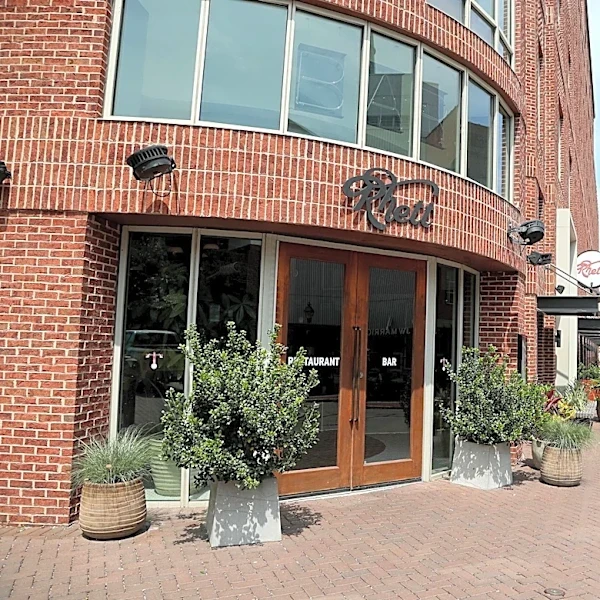
or Sonoma, Winters offers a unique blend of historic streets, local shops, diverse culinary experiences, and accessible wine tasting. Visitors can start their day with breakfast at local favorites like Putah Creek Café, known for its generous portions and community feel. The town also features attractions such as Park Winters, a country estate with gardens and a historic Victorian farmhouse, offering activities like U-Pick Flower Farms and seasonal workshops. For lunch, establishments like Preserve offer creative dishes, while the Historic Trestle Bridge provides a pedestrian walkway with views of Putah Creek. Shopping at boutiques like Winter Collective and wine tasting at Turkovich Family Wines, which allows customizable flights, round out the afternoon. The day can conclude with dinner at the Buckhorn Steakhouse, located in the historic DeVilbiss Hotel, followed by a stroll through residential neighborhoods featuring Victorian and Craftsman-style homes.
Why It's Important?
The rise of Winters as a desirable travel destination highlights a growing trend in U.S. tourism towards exploring smaller, less-traveled towns that offer authentic local experiences. This shift can significantly benefit local economies in such towns, providing a boost to small businesses, restaurants, and hospitality services that might otherwise struggle to compete with larger tourist hubs. For travelers, it offers an alternative to crowded and often more expensive destinations, providing a more intimate and relaxed getaway. This trend also underscores the value of preserving historical architecture and fostering a strong local community, as these elements contribute significantly to a town's appeal. The emphasis on local food, unique shops, and accessible wine tasting caters to a demographic seeking genuine cultural immersion and a break from mass-market tourism. It demonstrates that even in a region known for its major attractions, hidden gems can emerge and thrive by offering distinct and high-quality experiences.
What's Next?
As Winters gains popularity, it is likely to see increased investment in its tourism infrastructure, potentially leading to more boutique accommodations, expanded dining options, and enhanced visitor services. The town may also focus on promoting its agricultural roots through farm-to-table experiences and local produce markets, further solidifying its unique identity. However, with increased tourism comes the challenge of managing growth to preserve the town's small-town charm and prevent over-commercialization. Local authorities and businesses will need to balance economic development with maintaining the authentic character that makes Winters appealing. Other small towns in Northern California and across the U.S. might look to Winters as a model for developing their own tourism strategies, focusing on unique local assets rather than trying to replicate larger, more established destinations. The continued promotion through travel blogs and media will likely drive sustained interest in Winters as a prime getaway spot.
Beyond the Headlines
The emergence of Winters as a travel hotspot reflects a broader cultural shift towards valuing authenticity and local character in travel experiences. In an increasingly globalized world, there's a growing desire among travelers to connect with places that offer a distinct sense of identity and community, moving away from generic tourist traps. This phenomenon also speaks to the power of word-of-mouth and digital media in uncovering and promoting lesser-known destinations. The success of Winters could inspire other small towns to invest in their unique heritage and local businesses, fostering a more diverse and sustainable tourism landscape across the U.S. It also highlights the economic resilience of small communities that can adapt and leverage their inherent charm to attract visitors, creating a virtuous cycle of local investment and community pride. This trend suggests a re-evaluation of what constitutes a 'desirable' travel destination, placing emphasis on genuine experiences over sheer scale or fame.