
What's Happening?
Provo.com has released an extensive guide detailing indoor activities in Salt Lake City, specifically curated for days with rain, snow, or poor air quality due to winter inversions. The guide, updated
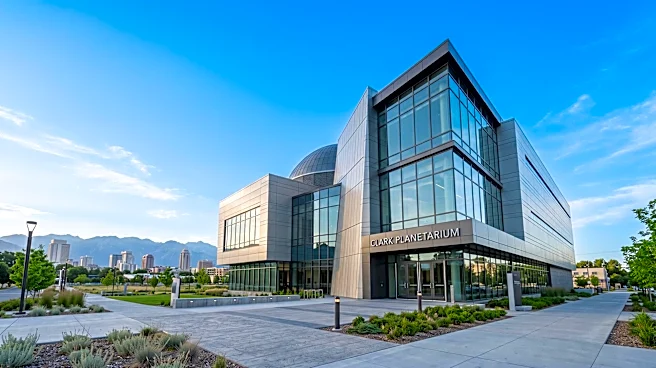
on November 17, 2026, provides practical information on museums, planetariums, libraries, and other indoor attractions, including hours of operation, admission prices, and transportation options from Provo. Key attractions featured include the Clark Planetarium (free exhibits), Natural History Museum of Utah, Utah Museum of Fine Arts, Discovery Gateway Children's Museum, Utah Museum of Contemporary Art, Salt Lake City Main Library (free), Utah State Capitol (free), Pioneer Memorial Museum (free), and various sites within Temple Square. The guide also emphasizes the importance of checking air quality forecasts via air.utah.gov or the UtahAir app before traveling, explaining the state's 'Health Forecast' and 'Action Forecast' for pollution levels. Transportation advice covers using FrontRunner and TRAX for low-emission travel, as well as driving times and parking notes for each venue.
Why It's Important?
This comprehensive guide serves as a crucial resource for residents and visitors in the Provo and Utah Valley areas, offering practical solutions for leisure and educational activities during periods of inclement weather or poor air quality. Winter inversions, a common phenomenon in Utah, can significantly impact outdoor activities and public health, making indoor alternatives essential. By providing detailed information on accessibility, cost, and suitability for different age groups, Provo.com helps families and individuals plan outings that are both enjoyable and safe. The emphasis on public transportation options like FrontRunner and TRAX also promotes environmentally conscious travel, reducing individual contributions to air pollution. Furthermore, the guide's inclusion of air quality monitoring resources empowers individuals to make informed decisions about their health and travel plans, highlighting a growing public awareness and concern for environmental conditions in the region.
What's Next?
As winter approaches and the likelihood of inversions and adverse weather increases, the Provo.com guide is expected to become a frequently consulted resource for planning indoor excursions. Residents and visitors will likely utilize the provided information to navigate Salt Lake City's cultural and educational offerings, potentially leading to increased patronage at the listed venues during challenging weather conditions. The guide's detailed advice on checking air quality will likely encourage more people to monitor environmental conditions before traveling, fostering greater public engagement with air quality data. Future updates to the guide may include new attractions, changes in operating hours or pricing, or additional tips for navigating the city during peak inversion periods. The ongoing utility of such a resource underscores the need for accessible, up-to-date information to help communities adapt to local environmental and seasonal challenges.
Beyond the Headlines
The creation and utility of such a guide reflect broader societal trends in urban living, where environmental factors increasingly influence daily activities and leisure choices. The focus on indoor activities during inversions highlights the significant impact of air quality on public health and lifestyle in Utah's valleys, prompting residents to seek alternatives to outdoor recreation. This also points to a growing demand for accessible cultural and educational institutions that can serve as community hubs regardless of external conditions. The guide implicitly encourages a more sustainable approach to urban exploration by promoting public transit, aligning with broader environmental consciousness. Furthermore, the detailed nature of the guide, including specific advice on sensory-friendly hours and discounts, indicates a move towards more inclusive and thoughtful community resources that cater to diverse needs and preferences, enhancing the overall quality of life for residents in the region.