



What's Happening?
Tecnam, an aircraft manufacturer, has appointed Leonardo Falanga as its Head of Technology and Innovation, leading a newly established Digital & Innovation Office. This move signals the company's commitment to integrating artificial intelligence (AI)
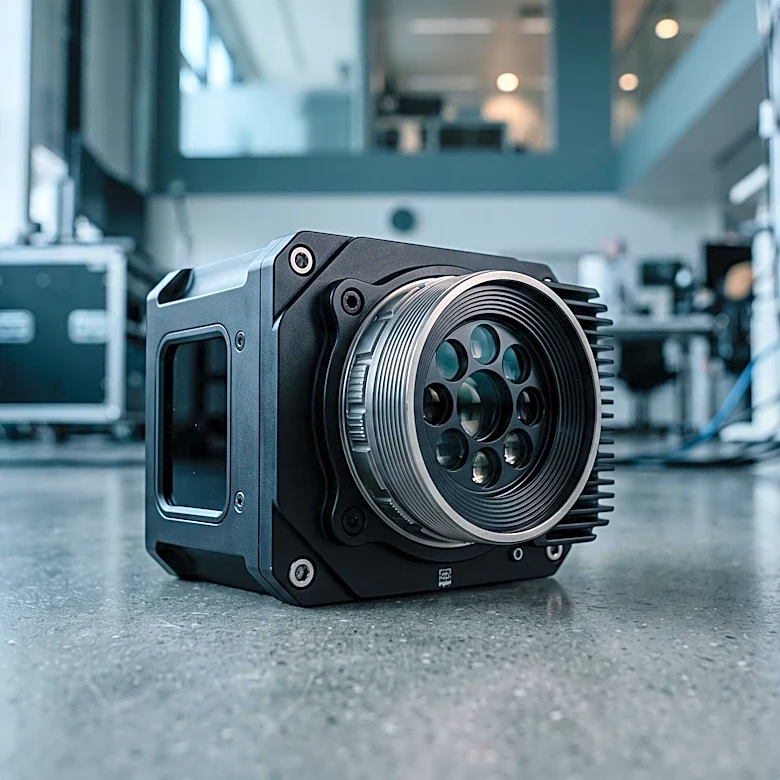
across its operations, particularly in its Capua production, documentation, and knowledge systems. Falanga's role, developed through discussions with CEO Giovanni Pascale Langer and Business Manager Vincenzo Fogliano, aims to fundamentally change how the company operates using AI as a primary driver. Tecnam plans to deploy AI in four key areas: computer vision for quality checks on fastener patterns and sealant beads, AI-powered Optical Character Recognition (OCR) to convert documents into structured data, anomaly detection dashboards for production and warehouse data, and real-time parts traceability using RFID and Bluetooth tags. The company, which has delivered over 8,200 aircraft globally since its origins in 1948, is also enhancing its ERP system to connect engineering and production data.
Why It's Important?
Tecnam's strategic adoption of AI highlights a growing trend in the manufacturing sector, particularly within specialized industries like aerospace, to leverage advanced technology for operational efficiency and quality control. The implementation of AI in areas such as computer vision for inspections and OCR for data conversion can significantly reduce human error, streamline workflows, and improve the accuracy of production processes. This initiative could set a precedent for other U.S. and international manufacturers facing similar challenges in complex assembly and documentation. By enhancing real-time parts traceability and connecting engineering with production data, Tecnam aims to optimize its supply chain and ensure greater consistency between design and final product. This move is crucial for maintaining competitive advantage and meeting stringent quality standards in the global aircraft market, potentially influencing how other companies approach digital transformation.
What's Next?
Tecnam is actively implementing AI courses for its employees across various departments, indicating a commitment to upskilling its workforce for the new technological landscape. The company has also developed an AI-powered internal knowledge layer, described as a 'company brain,' which allows staff to query company documents and know-how in plain language, with access rules governing information visibility. This internal knowledge system is expected to improve information accessibility and decision-making within the organization. Falanga noted that while AI algorithms will suggest, flag, and prioritize tasks, certified personnel will retain the ultimate responsibility for inspection, decision-making, and signing off on processes. This approach suggests a phased integration of AI, emphasizing human oversight in critical areas, aligning with Gartner's 2026 Hype Cycle for Artificial Intelligence, which indicates that while only 17% of organizations currently deploy AI agents, over 60% anticipate doing so within two years.
Beyond the Headlines
The integration of AI into Tecnam's operations extends beyond mere technological upgrades; it represents a significant cultural and operational shift. The creation of an internal 'company brain' powered by AI suggests a move towards a more data-driven and knowledge-centric organizational structure. This could lead to a more agile and responsive company, capable of adapting quickly to market demands and regulatory changes. The emphasis on human oversight, where AI 'suggests' but certified individuals 'decide,' addresses ethical and accountability concerns often associated with advanced AI deployment, particularly in high-stakes industries like aerospace. This model could serve as a blueprint for responsible AI integration, balancing efficiency gains with human expertise and accountability. The long-term implications include potential shifts in workforce roles, with a greater demand for employees skilled in AI interaction and data analysis, and a redefinition of quality assurance processes in manufacturing.