




What's Happening?
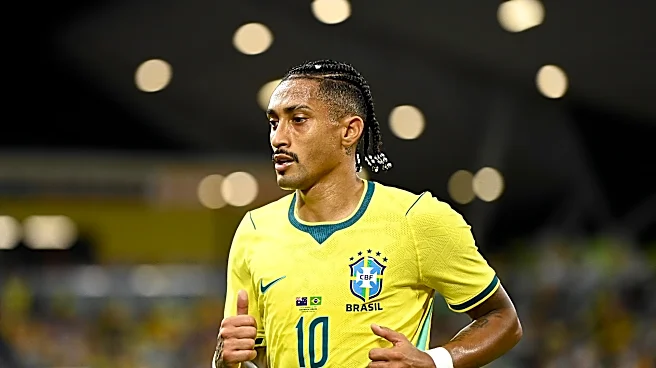
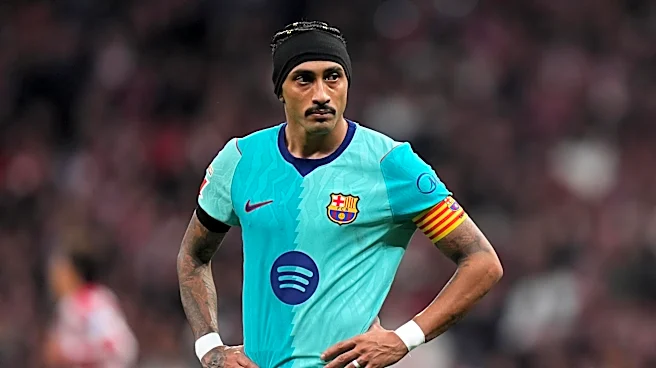
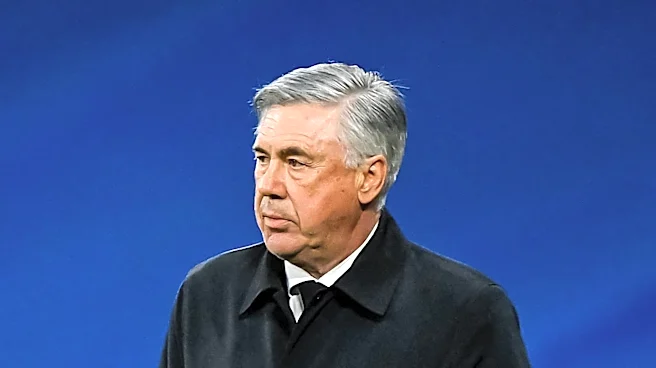
Carlo Ancelotti, the coach of the Brazil national team, has given a positive assessment of Barcelona forward Raphinha's current condition and performance. Ancelotti stated that Raphinha is 'doing very well' for both his club and country, highlighting
his 'impressive quality' at Barcelona and his ability to play as a striker. These comments come as Barcelona closely monitors Raphinha's workload during the November international break to prevent further physical setbacks, especially after his recent return from injury. Raphinha, who will captain Brazil in upcoming friendlies against Japan on November 14 and Singapore on November 17, has traveled to Singapore for these matches. The number of minutes he plays in these friendlies is a significant consideration for Barcelona, given his importance to manager Hansi Flick and the disruptions caused by his previous injuries. Both Barcelona and the Brazilian Football Confederation have coordinated efforts to manage his involvement, though no specific minute limit has been publicly confirmed.
Why It's Important?
The fitness of key players like Raphinha is crucial for both club and national team success, making Ancelotti's update significant. For Barcelona, Raphinha's health directly impacts their performance in La Liga and other competitions, especially given his attacking output, pressing, and leadership qualities under Hansi Flick. His recent injury history underscores the delicate balance clubs and national teams must strike in managing player welfare. For the Brazil national team, ensuring Raphinha's fitness is vital for their international campaigns, including World Cup qualifiers and major tournaments. The coordination between Barcelona and the Brazilian Football Confederation highlights a growing trend in professional soccer where clubs and national federations collaborate to protect their valuable assets. This situation also reflects the financial implications of player injuries, as clubs invest heavily in their athletes and rely on their availability for competitive success and commercial revenue.
What's Next?
Raphinha is set to captain Brazil in their upcoming friendlies against Japan and Singapore in November. The primary focus for both Barcelona and the Brazilian national team will be to manage his playing time carefully to avoid any new injuries. While Ancelotti has praised Raphinha's form, the emphasis remains on player health, with the coach stating that the team has the necessary information to control each player's minutes. Barcelona's manager, Hansi Flick, will be hoping Raphinha returns from international duty in good condition, as his contributions are essential to the club's objectives. The outcome of these friendlies and Raphinha's physical state upon his return will be closely watched, as it could influence his availability and performance in subsequent club matches. This ongoing management of player workload is likely to be a continuous point of discussion and coordination between clubs and national teams.
Beyond the Headlines
The situation surrounding Raphinha's fitness and international commitments touches upon the broader tension between club and country in professional soccer. While players often express immense pride in representing their national teams, clubs bear the financial burden of their salaries and the risks of injury during international breaks. Ancelotti's comments about players' motivation to represent their country, following earlier misinterpretations of Raphinha's remarks, highlight the emotional and psychological pressures athletes face. The careful monitoring of minutes and coordination between medical staffs reflect an evolving understanding of sports science and player longevity. This dynamic also raises questions about the scheduling of international matches and the potential for conflicts of interest between national federations prioritizing competitive success and clubs safeguarding their investments. Ultimately, it underscores the complex ecosystem of modern football, where individual player well-being is a shared responsibility with significant implications for all stakeholders.