








What's Happening?
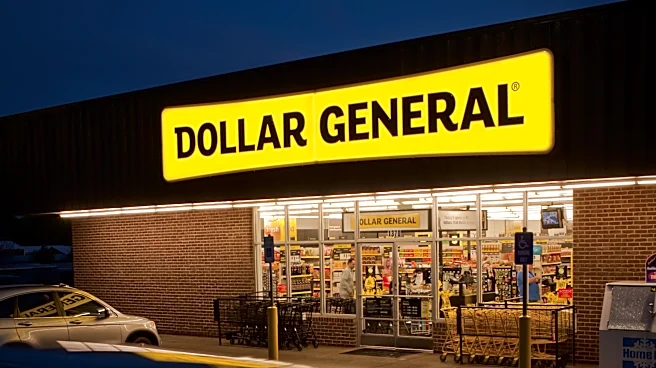
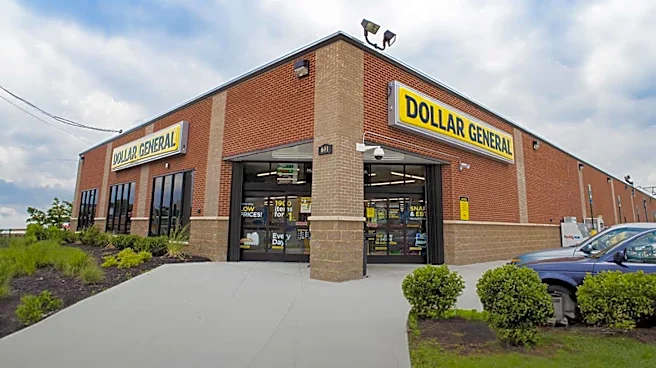
The Federal Trade Commission (FTC) and 20 U.S. states, including Florida, have filed a lawsuit against Dollar General, accusing the retail chain of consistently overcharging customers. The complaint, lodged in the U.S. District Court for the Middle District of Tennessee,
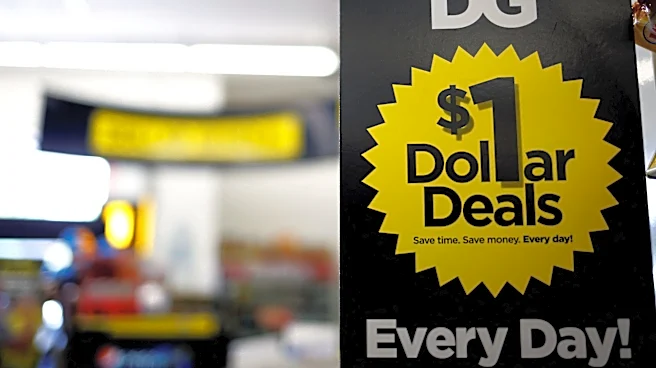
alleges that Dollar General displays one price on shelves or in online advertisements but charges a higher amount at the register. Despite having 'extensive corporate knowledge of the problem,' the company has reportedly failed to rectify these deceptive pricing practices. The lawsuit cites numerous instances where employees denied customers price corrections, with one Texas customer being told by an employee, 'I have to overcharge you or I will get in trouble!!!!' A Florida customer reported in April 2025 that he consistently found discrepancies across more than 15 stores in his area and was informed by employees they were not permitted to override point-of-sale prices. Dollar General, which operates 21,000 stores nationwide, has stated that occasional price discrepancies can occur but maintains its commitment to accuracy and empowering store teams to correct issues.
Why It's Important?
This lawsuit is significant because it highlights a systemic issue of consumer protection and fair pricing, particularly impacting communities served by discount retailers like Dollar General. The alleged overcharging disproportionately affects low-income consumers who rely on these stores for affordable goods and are often on tight budgets. The FTC and state attorneys general are emphasizing the betrayal of trust and financial harm imposed on struggling consumers. The issue also points to potential operational challenges within Dollar General, such as understaffing, which the FTC suggests contributes to the inability of stores to maintain accurate shelf pricing. If the allegations are proven, it could lead to substantial penalties for Dollar General and mandate changes in its pricing and operational practices, potentially setting a precedent for how large retail chains manage price accuracy across their vast networks. This case underscores the ongoing efforts by regulatory bodies to safeguard consumer rights against deceptive business practices.
What's Next?
The lawsuit will proceed in the U.S. District Court for the Middle District of Tennessee. Dollar General is expected to formally respond to the allegations in court filings, as indicated by their initial statement pushing back against the claims. The legal process will likely involve discovery, where both sides gather evidence, followed by potential settlement negotiations or a trial. The outcome could result in significant financial penalties for Dollar General, including restitution for affected customers, and court-ordered changes to its pricing policies and operational procedures to ensure price accuracy. This case may also prompt increased scrutiny of pricing practices across the retail sector, potentially leading other discount retailers to review and reinforce their own price integrity measures to avoid similar legal challenges. Consumer advocacy groups will likely monitor the proceedings closely, and the resolution could influence future consumer protection regulations.
Beyond the Headlines
Beyond the immediate legal battle, this case sheds light on broader issues concerning corporate responsibility, labor practices, and the digital divide in retail. The FTC's mention of understaffing as a contributing factor to pricing inaccuracies suggests a deeper problem within Dollar General's operational model, where cost-cutting measures might inadvertently lead to consumer harm. This raises ethical questions about the balance between profit margins and fair consumer treatment, especially for a retailer serving vulnerable populations. Furthermore, the reliance on digital pricing and online ads, juxtaposed with physical shelf prices, highlights the complexities of maintaining consistency in a multi-channel retail environment. The lawsuit could also spark a wider conversation about the role of technology in retail pricing and the need for robust internal controls to prevent discrepancies, ensuring that the promise of 'bargain' prices truly translates to savings for consumers at the register.