




What's Happening?
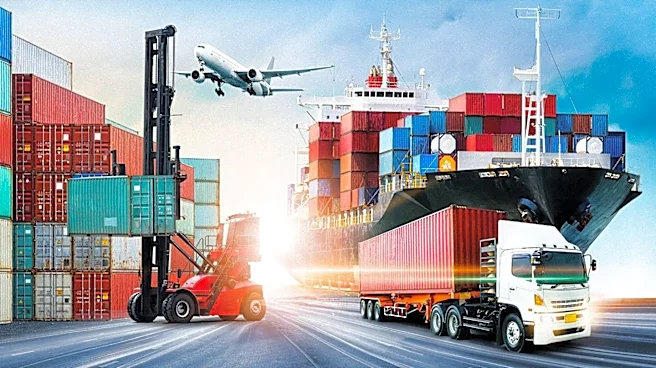
The U.S. port and maritime logistics market is undergoing a significant digital transformation, driven by the increasing need for efficiency, transparency, and automation as global trade volumes expand. This shift involves the adoption of integrated digital platforms
that centralize data across terminals, vessels, and supply chains. These platforms facilitate real-time tracking, predictive maintenance, and automated cargo handling, leading to improved operational efficiency. Ports are leveraging digital tools to optimize berth scheduling, reduce vessel turnaround times, and enhance resource allocation, which is crucial given the accelerating demands of global trade and the growing frequency of supply chain disruptions. Key technologies enabling this transformation include the Internet of Things (IoT) for real-time data, artificial intelligence (AI) for workflow optimization, and blockchain for enhanced transparency and security in documentation. This digital evolution impacts shipping lines through better voyage planning and automated documentation, port authorities through improved cargo throughput and security, and logistics providers through end-to-end supply chain visibility. Technology vendors are also seeing new opportunities due to the rising demand for automation, data analytics, and cybersecurity solutions.
Why It's Important?
This digital transformation is vital for the U.S. economy and its global competitiveness. By enhancing efficiency and transparency in port and maritime logistics, it directly addresses critical challenges such as supply chain disruptions and increasing trade volumes. Faster turnaround times, reduced operational costs, and improved security benefit shipping companies, port authorities, logistics providers, and ultimately, consumers. The adoption of advanced technologies like AI and IoT allows for more resilient and responsive supply chains, which are essential for maintaining economic stability and growth. Furthermore, the emphasis on integrated digital platforms fosters greater collaboration and data sharing among stakeholders, leading to a more cohesive and efficient logistics ecosystem. This shift also creates new revenue streams and innovation opportunities for technology vendors, contributing to job creation and technological advancement within the U.S. The ability of U.S. ports to adapt to these digital trends will be a key determinant of their capacity to handle future trade demands and remain competitive on a global scale.
What's Next?
Looking ahead, the integration of 5G connectivity, advanced AI, and blockchain technologies is expected to further accelerate the digital transformation within the U.S. port and maritime logistics sector. Ports that proactively adopt these innovations are anticipated to achieve enhanced operational efficiency, improved sustainability, and greater resilience against future disruptions. There is also a growing opportunity for the development and implementation of data-driven services, such as predictive analytics and smart port management systems, which could generate new revenue streams and optimize resource utilization. Additionally, the ongoing push towards 'green port' initiatives aligns with digital solutions designed to optimize energy consumption and reduce environmental emissions. However, the industry must address challenges such as cybersecurity risks, the high capital expenditure required for implementing advanced digital systems, interoperability issues due to a lack of standardized data formats, and the existing workforce skills gap. Overcoming these hurdles will be crucial for fully leveraging the potential of digitalization in maritime logistics and ensuring the continued competitiveness of U.S. ports.
Beyond the Headlines
The digital transformation in U.S. port and maritime logistics extends beyond mere operational improvements, touching upon deeper implications for national security, environmental sustainability, and workforce development. Enhanced cybersecurity protocols become paramount as ports become more interconnected, safeguarding critical infrastructure from potential cyberattacks that could cripple trade and economic activity. Environmentally, digital solutions that optimize energy use and reduce emissions contribute significantly to broader climate goals, aligning with national and international efforts to combat climate change. The shift towards automation and AI also necessitates a re-evaluation of the maritime workforce, requiring substantial investment in training and upskilling programs to equip workers with the necessary digital competencies. This transformation could lead to a more specialized and technologically adept workforce, but also raises questions about job displacement and the need for robust transition strategies. Ultimately, the success of this digital evolution will depend on a holistic approach that balances technological advancement with human capital development and robust security measures.