



What's Happening?
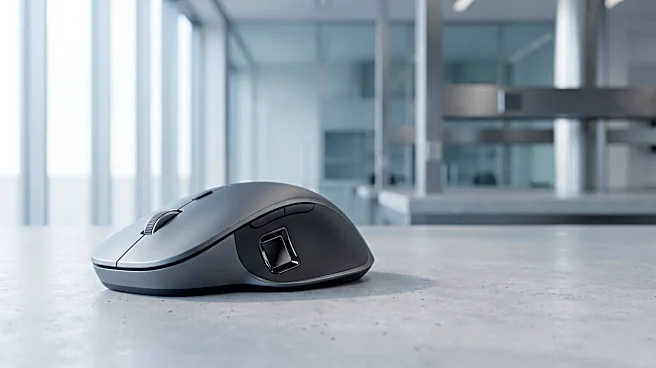
iMTC Technology, a Taiwan-based company specializing in industrial and medical input solutions, has selected SEALSQ's QVault TPM183 for its next-generation Fingerprint Recognition Medical Mouse. This collaboration aims to provide a secure and convenient
authentication solution for healthcare and other security-sensitive environments. The medical mouse supports Windows Enhanced Sign-in Security (ESS) and Windows Hello, enabling healthcare professionals to authenticate using fingerprint recognition when accessing medical workstations and applications. The TPM-enabled version of the mouse provides a hardware-based root of trust, protecting cryptographic keys and login credentials, which is crucial in shared hospital environments where multiple users access common workstations and patient information systems. This integration ensures secure access without disrupting clinician workflow, a common challenge in hospital IT.
Why It's Important?
This development is highly significant for the U.S. healthcare industry and other sectors requiring stringent security for workstation access. The integration of hardware-based fingerprint recognition into medical input devices directly addresses the critical need for enhanced data security and compliance with regulations like HIPAA, which mandate the protection of patient information. In shared clinical environments, where doctors, nurses, and technicians frequently log in and out of workstations, this technology offers a secure yet efficient authentication method, preventing unauthorized access while maintaining workflow efficiency. By anchoring authentication in SEALSQ's silicon, iMTC provides a robust defense against evolving cyber threats, including a pathway to post-quantum cryptography, ensuring long-term security for sensitive medical data. This innovation helps healthcare providers meet increasing cybersecurity requirements and build trust in their digital systems.
What's Next?
The adoption of iMTC's Fingerprint Recognition Medical Mouse with SEALSQ's TPM183 is expected to expand beyond healthcare to other sectors like industrial manufacturing, education, logistics, government services, and banking, all of which require secure workstation authentication. Future developments will likely focus on further enhancing the security features, potentially incorporating more advanced biometric modalities or integrating with broader identity management systems. The emphasis on a hardware-based root of trust and a migration path to post-quantum cryptography indicates a forward-looking approach to cybersecurity, anticipating future threats. This collaboration could also pave the way for similar integrations in other specialized input devices, creating a more secure ecosystem for various professional environments. The ongoing need for strong, user-friendly authentication will drive continuous innovation in this space.
Beyond the Headlines
The deployment of hardware-anchored biometric authentication in critical environments like healthcare carries profound implications for data integrity and trust. Beyond the immediate security benefits, it establishes a new standard for accountability in accessing sensitive information. The use of unique biometric identifiers for login creates an undeniable audit trail, which can be crucial in investigations of data breaches or unauthorized access. Ethically, it reinforces the importance of protecting individual privacy, as biometric data is immutable and highly personal. The long-term shift towards post-quantum cryptography embedded in hardware signifies a proactive approach to future-proofing digital security against emerging threats from quantum computing, which could otherwise render current encryption methods obsolete. This technological foresight is essential for maintaining the integrity of critical infrastructure and sensitive data for decades to come, shaping the future of secure digital interactions.