


What's Happening?
LC's Venue in Rochester, MN, is providing a versatile event space spanning 2,500 square feet, designed to accommodate up to 150 guests. This facility is specifically engineered for flexibility, allowing it to transition seamlessly between different event types.
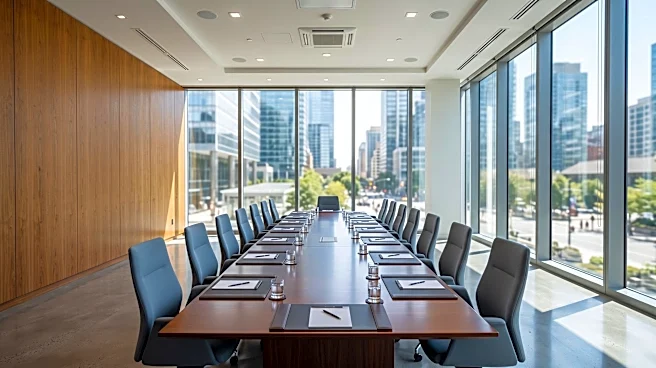
For instance, the same area can be configured with round reception tables and a dance floor for a wedding on a Saturday, and then reconfigured into classroom-style seating or a boardroom setup for a corporate staff training session on the following Tuesday. This adaptability aims to eliminate the need for compromises often encountered when venues are built for a single type of event, ensuring that both social and professional gatherings feel appropriately catered to without either feeling like an afterthought. The venue's design prioritizes functionality and aesthetic appeal for a diverse range of uses.
Why It's Important?
The availability of highly flexible event spaces like LC's Venue is significant for the U.S. business and hospitality sectors, particularly in regional markets like Rochester, MN. Businesses often struggle to find venues that can adapt to various corporate needs, from large-scale conferences and training sessions to smaller, more intimate meetings. This flexibility reduces the logistical burden and cost associated with sourcing multiple venues for different event formats. For the hospitality industry, offering such adaptable spaces can attract a broader client base, boosting local tourism and economic activity. It also addresses a growing demand for multi-purpose facilities that can maximize utility and revenue, benefiting both venue operators and event organizers by providing a one-stop solution for diverse event requirements. This trend reflects an evolving market need for efficiency and versatility in event planning.
What's Next?
As venues like LC's continue to offer flexible solutions, the trend of multi-purpose event spaces is likely to expand across the U.S. hospitality market. Other venues may adopt similar models to cater to the diverse needs of corporate and private clients, potentially leading to increased competition and innovation in event space design and service offerings. Event planners and businesses can expect more options that provide integrated solutions, reducing the complexity of organizing various types of gatherings. This could also influence urban development, with new commercial properties incorporating adaptable event spaces into their designs. The success of such models may encourage further investment in flexible infrastructure, ultimately benefiting local economies by attracting more events and associated spending.
Beyond the Headlines
The rise of flexible event spaces like LC's Venue points to a broader shift in how physical spaces are utilized in the modern economy. Beyond mere convenience, this adaptability reflects a growing emphasis on efficiency and resource optimization. In an era where businesses and individuals seek maximum value and utility, multi-functional spaces reduce overheads and environmental impact by minimizing the need for specialized, single-use facilities. This trend also highlights a cultural shift towards more integrated experiences, where work and social events can coexist within the same adaptable environments. Ethically, it promotes sustainable practices by making better use of existing infrastructure. This evolution in space utilization could influence urban planning, architectural design, and even the future of work, fostering environments that are more responsive to dynamic needs and promoting a more fluid interaction between professional and personal life.