






What's Happening?
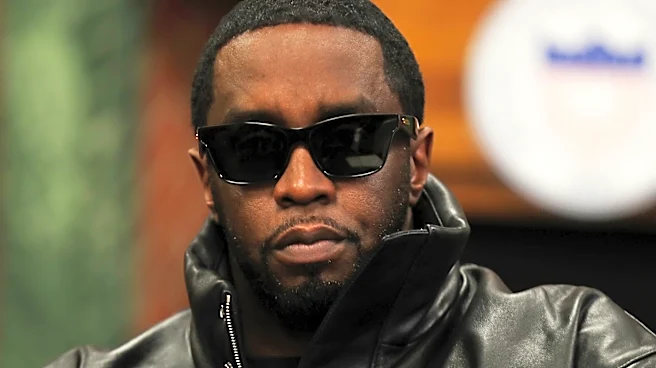
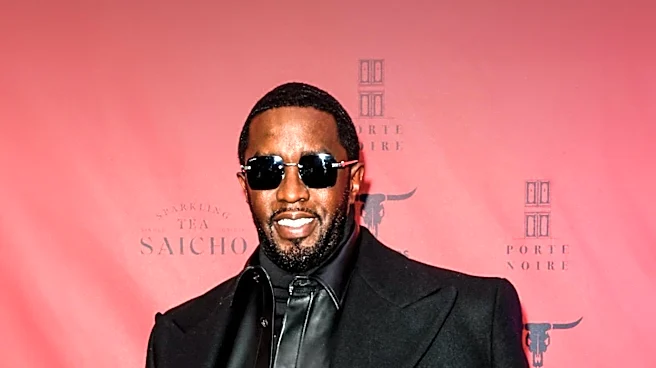
Sean 'Diddy' Combs has filed a countersuit against producer Rodney 'Lil Rod' Jones, accusing him of stealing documentary footage and selling it to Netflix for a series produced by 50 Cent. This legal action follows a previous lawsuit by Jones against Combs,
which included allegations of sexual abuse, many of which have been dismissed. Diddy claims that Jones exploited his position to gain unauthorized access to video footage intended for Combs' own documentary. The footage was allegedly used in a Netflix series titled 'Sean Combs: The Reckoning,' which covers abuse accusations against Diddy. The series, produced by 50 Cent, has been widely viewed. Diddy had previously threatened to sue Netflix to block the series' release but did not follow through. Instead, he is now targeting Jones, accusing him of defamation and other legal violations.
Why It's Important?
This legal battle highlights ongoing tensions and legal challenges within the entertainment industry, particularly concerning intellectual property rights and personal reputations. The case underscores the complexities of legal disputes involving high-profile figures and the potential impact on their careers and public image. For Diddy, the countersuit represents an effort to reclaim control over his narrative and address what he perceives as false allegations. The outcome of this case could influence how similar disputes are handled in the future, particularly regarding the use of unauthorized footage in media productions. It also reflects broader issues of trust and exploitation in professional relationships within the industry.
What's Next?
The legal proceedings will continue as both parties present their cases. Diddy's countersuit could lead to further legal scrutiny of the actions taken by Jones and potentially impact the distribution and reception of the Netflix series. The entertainment industry will be watching closely, as the case may set precedents for how unauthorized use of footage is addressed legally. Stakeholders, including Netflix and other media companies, may need to reassess their protocols for verifying the authenticity and ownership of content used in their productions.