



What's Happening?
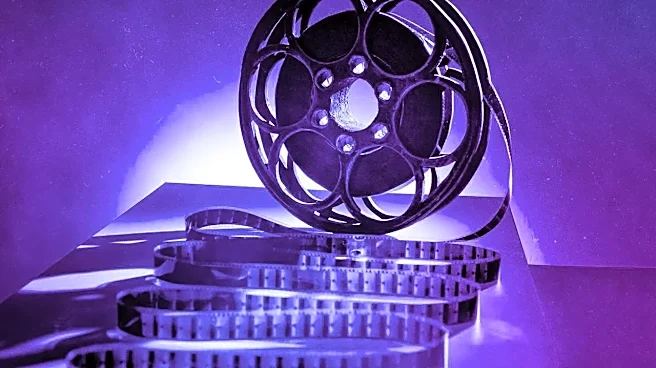
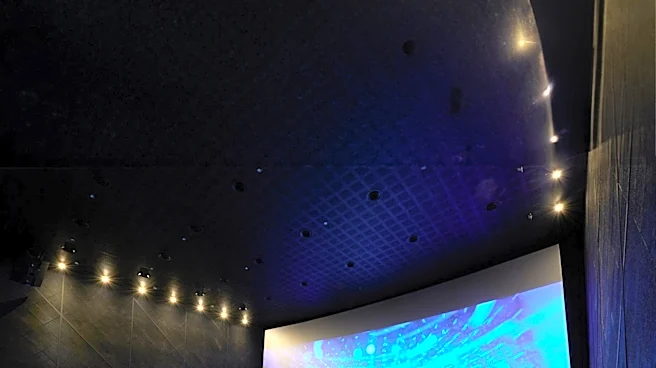
IMAX technology, known for its high-resolution and immersive cinematic experience, utilizes a wider film format, specifically 70mm, to create larger and more detailed images. This technology enhances the overall viewing experience by providing a more expansive
and detailed view of the film's content. The IMAX format was first introduced to the public in 1970 at the Osaka Expo, and since then, it has become a staple in the film industry for showcasing large-scale productions. The technology involves shooting on a wider strip of film, which is then processed and projected to create a larger, higher-quality image. This method allows for a more immersive experience, making it a preferred choice for filmmakers aiming to deliver visually stunning films.
Why It's Important?
The significance of IMAX technology lies in its ability to transform the cinematic experience, offering audiences a more engaging and visually captivating viewing. For the film industry, this technology represents a significant advancement in how stories are told and experienced. It allows filmmakers to push the boundaries of visual storytelling, creating films that are not only seen but felt. The use of IMAX can also drive box office success, as audiences are often willing to pay a premium for the enhanced experience. This technology supports the industry's ongoing evolution, encouraging innovation and creativity in film production.