
What's Happening?
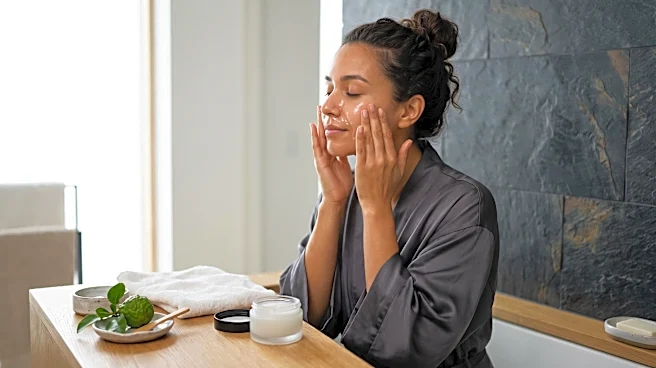
A new trend in skincare, dubbed 'skinimalism,' is gaining traction, advocating for the use of fewer, more specific products to protect and strengthen the skin barrier. This approach marks a significant
shift from previous skincare philosophies that often involved numerous active ingredients, products, and treatments to achieve various skin goals such as stimulating cell turnover, combating aging, correcting imperfections, and maintaining tone. The contemporary diktat now focuses on safeguarding the skin's natural barrier. This change is driven by the understanding that excessive product use can damage the skin barrier, and that treatments are more effective and better tolerated when the barrier is intact. An impaired skin barrier can lead to dryness, irritation, and heightened reactivity. The Purito Seoul Mighty Bamboo Panthenol Cream is cited as an example of a Korean face cream that aligns with this minimalist yet targeted philosophy, featuring panthenol and bamboo as key ingredients.
Why It's Important?
The rise of skinimalism reflects a broader consumer shift towards more conscious and health-oriented beauty practices within the U.S. market. This trend could significantly impact the beauty industry, potentially leading to a decrease in demand for multi-step skincare routines and an increase in sales for multi-functional or highly targeted products. For consumers, it offers a simpler, potentially less irritating, and more cost-effective approach to skincare. Brands that adapt by offering fewer, high-quality, and barrier-supporting products are likely to gain market share, while those heavily invested in extensive, multi-product lines may need to re-evaluate their strategies. This also highlights a growing awareness among consumers about the potential negative effects of over-treating their skin, prioritizing skin health and integrity over aggressive cosmetic interventions.
What's Next?
The skinimalism trend is likely to continue influencing product development and marketing strategies in the U.S. beauty industry. We can anticipate more brands launching products that emphasize barrier repair, minimalist formulations, and multi-purpose benefits. Educational campaigns from beauty brands and dermatologists may further promote the benefits of a simplified skincare routine. Consumers might also become more discerning, seeking out products with transparent ingredient lists and proven efficacy for specific concerns rather than accumulating a large number of products. This could lead to a more sustainable and less wasteful approach to beauty consumption, with a focus on quality over quantity.
Beyond the Headlines
Beyond its immediate impact on product consumption, skinimalism touches upon deeper cultural and psychological aspects of beauty. It challenges the notion that more is always better, a concept often perpetuated by consumer culture. This trend could foster a greater sense of self-acceptance and reduce pressure to conform to complex beauty standards, promoting a more natural and authentic approach to appearance. Ethically, it encourages brands to prioritize skin health and scientific efficacy over marketing hype and excessive product lines. This shift could also contribute to environmental sustainability by reducing packaging waste and the consumption of unnecessary ingredients, aligning with broader movements towards conscious consumerism and minimalist lifestyles.