




What's Happening?
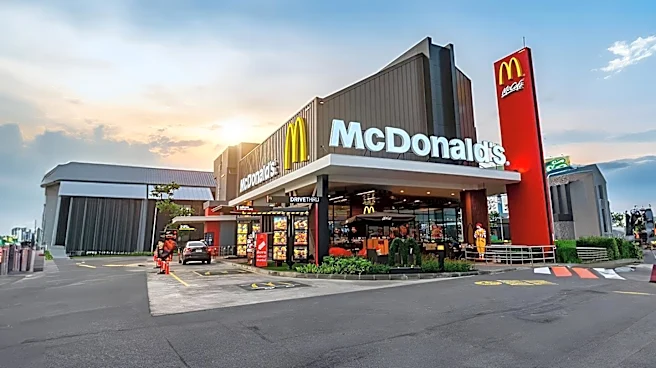
McDonald's and Uber have signed a multi-year delivery deal across 14 countries, including the UK and the US. This partnership allows customers to order McDonald's through the McDonald's app, with Uber handling the delivery. Crucially, customers will track
their orders from checkout to doorstep directly within the McDonald's app, without needing to open the Uber application. This strategic move aims to integrate Uber's delivery services seamlessly into McDonald's existing digital ecosystem. The agreement also includes provisions for McDonald's loyalty points to be used for discounts on Uber rides in some markets. This collaboration signifies a shift in the delivery landscape, with McDonald's prioritizing ownership of customer data and direct engagement, while Uber secures delivery fees and expands its reach through a major food service partner.
Why It's Important?
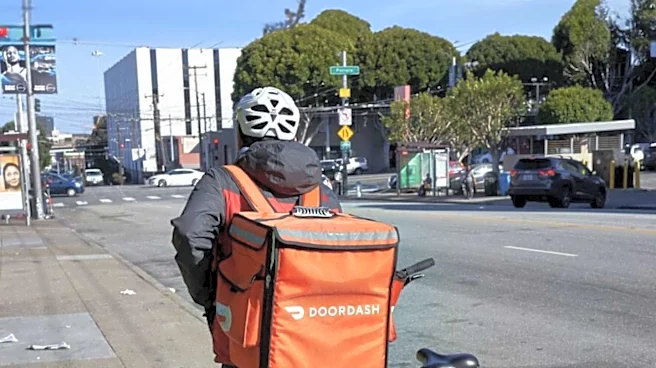
This partnership is highly significant for the U.S. food delivery and fast-food industries. For McDonald's, it represents a strategic effort to reclaim direct customer relationships and data, which are vital for personalized marketing, loyalty programs, and understanding consumer behavior. By integrating delivery tracking into its own app, McDonald's strengthens its brand presence and reduces reliance on third-party platforms for customer interaction. For Uber, securing a multi-year deal with a global giant like McDonald's ensures a substantial and consistent revenue stream from delivery fees, reinforcing its position in the competitive food delivery market against rivals like DoorDash. This model also highlights a growing trend where brands seek to leverage third-party logistics while maintaining control over the customer experience and data, potentially setting a new standard for future partnerships in the delivery sector.
What's Next?
The immediate next step is the implementation of this integrated delivery system across the specified 14 countries, including the US. Customers will begin to experience ordering and tracking McDonald's deliveries entirely within the McDonald's app, powered by Uber. This shift will likely lead to increased engagement with the McDonald's app and its loyalty programs. Competitors in both the fast-food and food delivery sectors will closely observe the success of this partnership. Other restaurant chains may seek similar arrangements to gain more control over their customer data and delivery experience. For Uber, this deal could pave the way for similar white-label delivery partnerships with other major brands, further diversifying its business model beyond its direct-to-consumer app. The long-term implications could include a re-shaping of the food delivery market, with more brands opting for integrated solutions that prioritize their own customer relationships.
Beyond the Headlines
This partnership underscores a fundamental power struggle in the digital economy: who owns the customer relationship and data. While delivery platforms initially gained prominence by aggregating demand and providing logistics, brands are increasingly recognizing the strategic value of direct customer engagement. McDonald's move to integrate Uber's delivery into its own app is a clear signal that it intends to control the customer journey and leverage that data for its own growth. This could lead to a rebalancing of power between brands and delivery platforms, with brands demanding more control and data access. The 'rider was never the asset' but 'the customer's phone number is' encapsulates this shift, highlighting the immense value of first-party data in today's digital marketplace. This trend could ultimately lead to a more fragmented but brand-centric delivery ecosystem.