





What's Happening?
Thanksgiving meal preparation often leads to back pain due to prolonged standing, repetitive movements, and awkward body positions in the kitchen. Activities such as extended standing, repeated bending over countertops, lifting heavy items like roasting
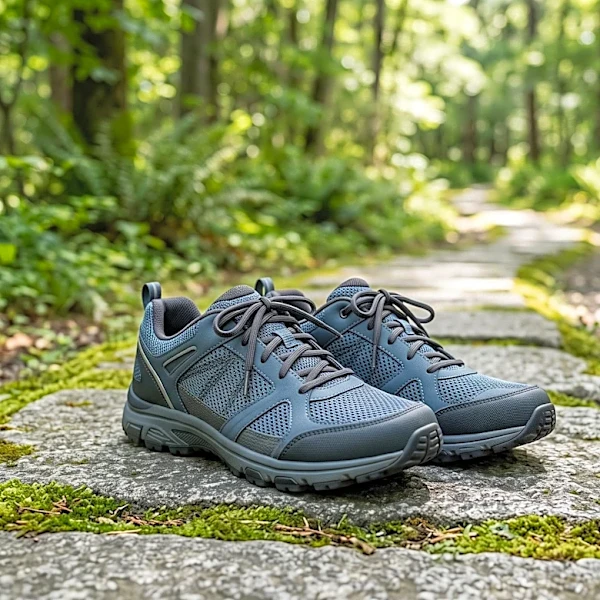
pans, and repetitive chopping or stirring can fatigue spinal muscles and strain the lower back. For individuals with pre-existing conditions like arthritis or degenerative disc disease, these activities can trigger or worsen symptoms. To prevent back pain, experts recommend several strategies: using anti-fatigue mats, wearing supportive shoes, shifting weight frequently, taking sitting breaks, and changing positions often. Proper lifting techniques, such as bending at the hips and knees and keeping objects close to the body, are crucial for heavy items. Organizing the kitchen to keep frequently used items within easy reach also minimizes strain. Gentle stretches and short walking breaks every 30-60 minutes can help relieve muscle tightness.
Why It's Important?
This information is highly relevant for many Americans, as Thanksgiving is a widely celebrated holiday involving extensive meal preparation. Back pain can significantly detract from the enjoyment of the holiday and lead to discomfort or even injury. By providing practical, actionable advice, this guidance helps individuals proactively manage their physical well-being during a period of increased kitchen activity. The tips offered are accessible and can be implemented without significant cost or effort, making them valuable for a broad audience. Addressing this common holiday-related issue can reduce instances of acute back pain, prevent exacerbation of chronic conditions, and ultimately contribute to a more comfortable and enjoyable holiday experience for millions of households across the U.S. It also highlights the importance of ergonomics even in everyday household tasks.
What's Next?
As awareness of ergonomic principles in the kitchen grows, more individuals may adopt these preventive measures during holiday cooking and everyday meal preparation. Retailers might see an increased demand for products like anti-fatigue mats and supportive kitchen footwear. Health and wellness platforms, as well as medical professionals, may continue to disseminate similar advice, especially around peak cooking seasons. There could also be a greater emphasis on pre-emptive physical conditioning, such as core strengthening exercises, to better prepare individuals for physically demanding tasks like holiday cooking. For those who experience persistent pain despite these measures, seeking professional medical advice from pain management specialists or physical therapists will remain the recommended next step, potentially leading to further evaluations and tailored treatment plans.
Beyond the Headlines
The issue of back pain during Thanksgiving cooking subtly underscores broader themes of physical strain in domestic labor and the often-overlooked physical demands of household tasks. It highlights how common activities, when performed for extended periods or with improper mechanics, can lead to musculoskeletal issues. This can prompt a re-evaluation of how kitchens are designed and how household chores are approached, encouraging more ergonomic considerations in home environments. Furthermore, it touches upon the cultural significance of holiday traditions, where the joy of celebration can sometimes overshadow the physical toll of preparation. By offering solutions, it promotes a more mindful approach to these traditions, ensuring that the focus remains on enjoyment and connection rather than discomfort. This also subtly advocates for shared responsibilities in the kitchen, as delegating tasks can reduce the physical burden on any single individual.