









What's Happening?
The average asking prices for new vehicles in the United States have reached a record high, continuing an upward trend. This development comes as U.S. light-vehicle sales are projected to increase by 4.4 to 8 percent in June, despite a weaker overall
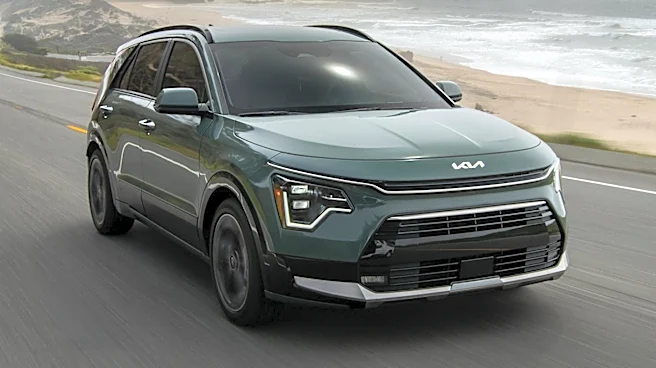
performance in the first half of the year compared to 2025. The surge in vehicle prices is attributed to a combination of factors, including increased demand for hybrid vehicles, which has driven brands like Hyundai and Kia to record sales in June. Additionally, Honda has reported a 17% increase in sales. Analysts suggest that the automotive market is experiencing a shift, with consumers showing a growing preference for more fuel-efficient and technologically advanced vehicles.
Why It's Important?
The rising prices of new vehicles in the U.S. have significant implications for both consumers and the automotive industry. For consumers, higher vehicle prices may lead to increased financial strain, particularly for those seeking to purchase new cars. This trend could also influence consumer behavior, potentially driving more buyers towards used vehicles or alternative transportation options. For the automotive industry, the increase in sales, particularly of hybrid models, indicates a shift in consumer preferences towards more sustainable and efficient vehicles. This could prompt manufacturers to accelerate the development and production of hybrid and electric vehicles to meet the growing demand. Additionally, the overall increase in vehicle sales suggests a recovering market, which could have positive effects on related industries such as auto parts and services.
What's Next?
As the automotive market continues to evolve, manufacturers may need to adjust their strategies to align with changing consumer preferences. This could involve increasing investments in research and development for hybrid and electric vehicles, as well as exploring new marketing strategies to attract environmentally conscious consumers. Additionally, dealerships might need to adapt by offering more competitive financing options or incentives to offset the impact of rising vehicle prices. The industry will also be closely monitoring economic indicators and consumer confidence levels, as these factors will play a crucial role in shaping future sales trends.