







What's Happening?
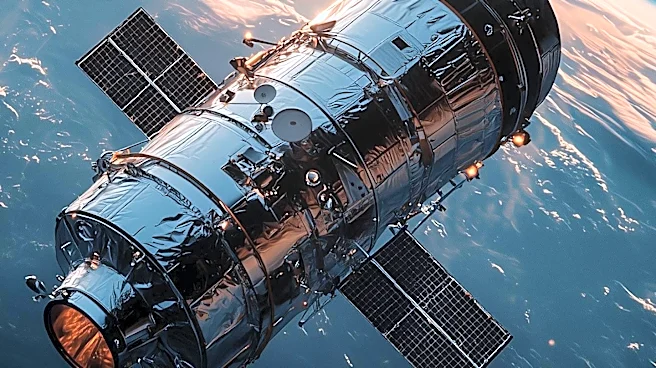
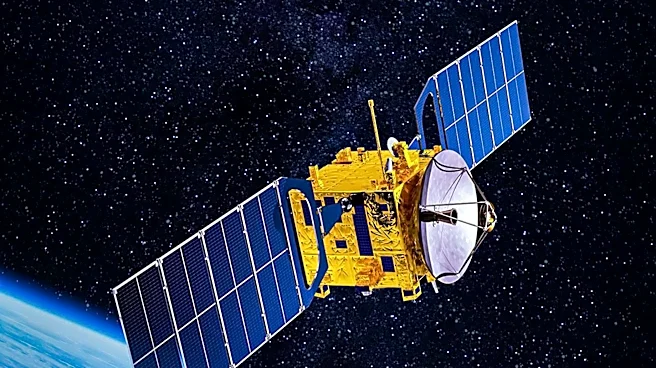
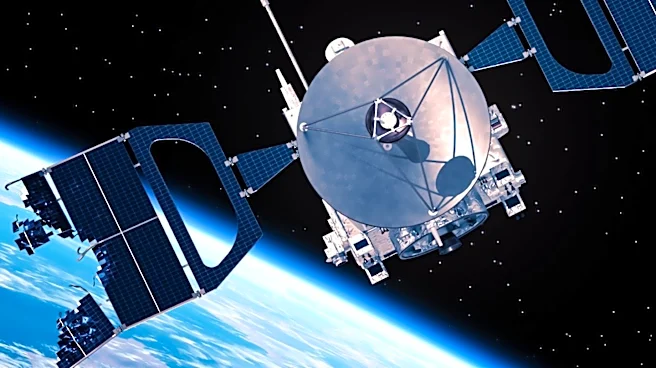
Reflect Orbital, a California-based startup, has received approval from the Federal Communications Commission (FCC) to launch an experimental satellite named Eärendil-1. This satellite is designed to reflect sunlight to Earth, providing 'sunlight on demand'
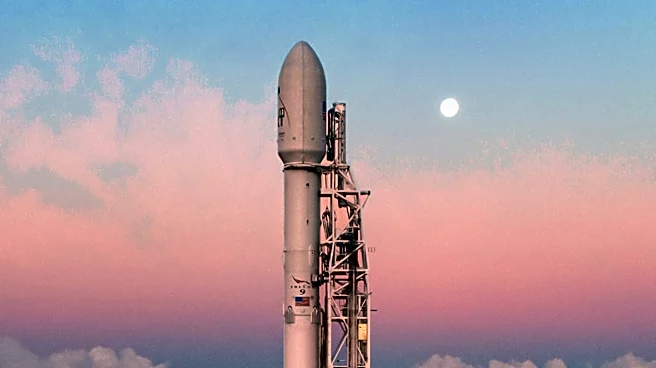
after dark. The satellite, which will be launched by SpaceX's Falcon 9 rocket by the end of 2026, will carry an 18-meter square mirror and operate in low Earth orbit. It aims to illuminate areas approximately 5 kilometers in diameter, potentially extending solar power generation and supporting emergency operations. However, the project has faced criticism from astronomical and environmental groups, including the American Astronomical Society and DarkSky International, due to potential risks to wildlife, human wellbeing, and astronomical observations.
Why It's Important?
The approval of Reflect Orbital's satellite project marks a significant step in space technology, potentially revolutionizing how sunlight is utilized on Earth. By extending daylight hours, the technology could enhance solar power generation and aid in emergency responses. However, the project raises environmental and safety concerns. Critics argue that the satellite could disrupt nocturnal ecosystems, interfere with astronomical research, and pose risks to aviation and human night vision. The FCC's decision not to evaluate environmental impacts highlights a regulatory gap, leaving critical concerns unaddressed. The outcome of this project could influence future regulatory approaches to space-based technologies and their environmental implications.
What's Next?
Reflect Orbital plans to launch Eärendil-1 by the end of 2026 and aims to deploy up to 50,000 satellites by 2035. The company has already received significant interest, with over 260,000 customer inquiries. As the project progresses, ongoing scrutiny from environmental and astronomical communities is expected. The company will need to address these concerns and demonstrate the safety and efficacy of its technology. The broader implications for space regulation and environmental policy will likely be debated, potentially influencing future space technology projects and their regulatory frameworks.
Beyond the Headlines
The concept of space mirrors is not new, with historical precedents like Russia's Znamya 1 in 1993. Reflect Orbital's project revives this idea, aiming to balance technological innovation with environmental stewardship. The company's emphasis on being 'good stewards of space' reflects a growing awareness of the need for responsible space exploration. This project could set a precedent for how space technologies are developed and regulated, highlighting the need for comprehensive environmental assessments and international cooperation in space governance.