





What's Happening?
Embraer has announced the delivery of the first E175 aircraft equipped with new-generation RECARO passenger seats to American Airlines. This delivery marks a significant milestone in the ongoing evolution and modernization of the E175, one of the most
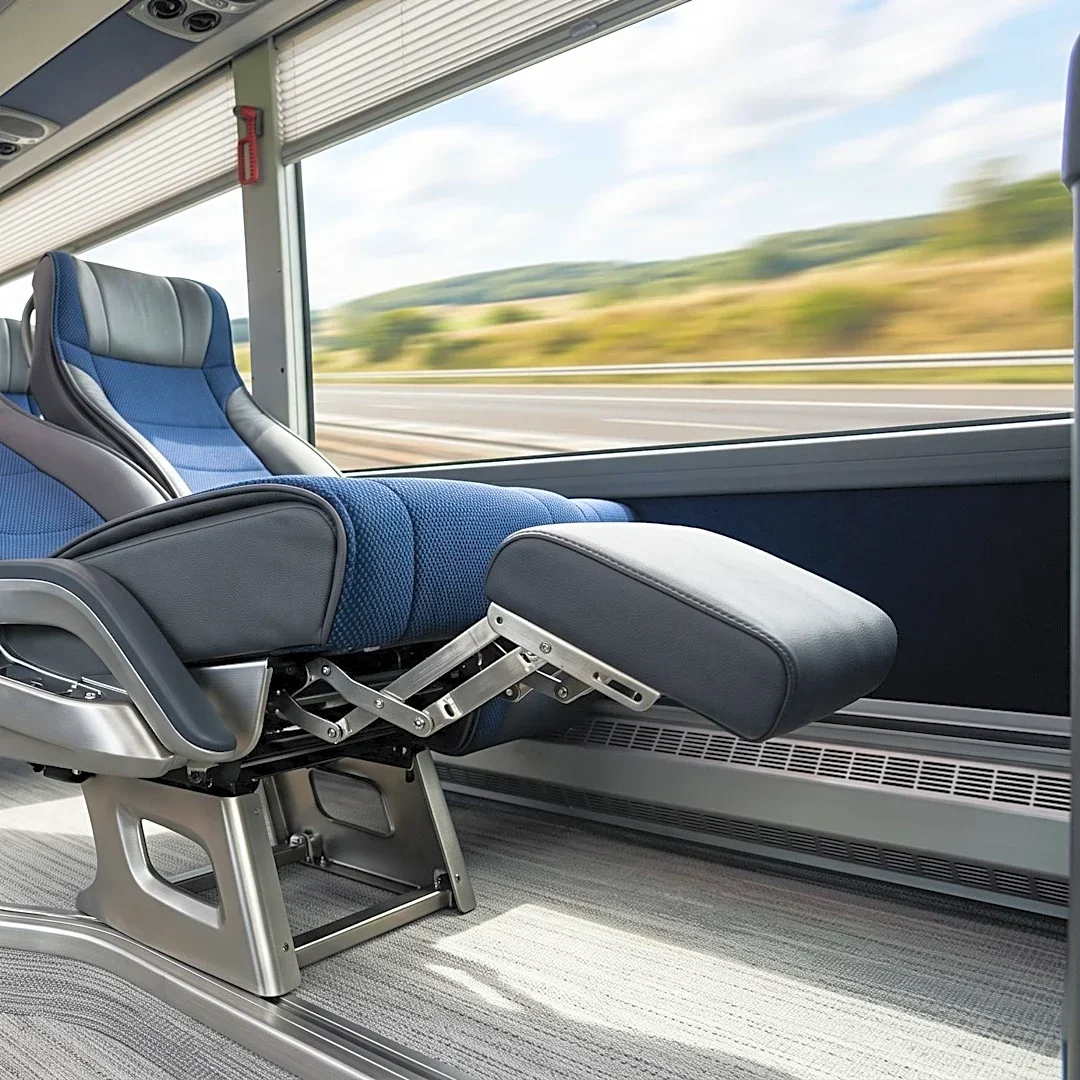
successful regional aircraft globally. The new cabin experience is designed to enhance passenger comfort and reinforce the E175's position as a preferred regional jet in North America. The RECARO seats feature a contemporary, slimline profile aimed at maximizing personal space and knee room while maintaining cushion comfort. This upgrade is part of American Airlines' broader cabin modernization efforts for its regional fleet. According to Arjan Meijer, President and CEO of Embraer Commercial Aviation, this introduction demonstrates Embraer's commitment to investing in the E175 platform to improve passenger experience and create additional value for operators. Rhonda Crawford, Senior Vice President of Customer Experience Design and Strategy at American Airlines, stated that as the first U.S. airline to introduce RECARO seats on Embraer E175 aircraft, American Airlines is continuing to raise the bar for regional travel, aiming for an elevated and consistent travel experience.
Why It's Important?
This development is important for the U.S. aviation industry as it signifies a continued investment in passenger comfort and regional air travel modernization. For American Airlines, the introduction of these new seats on its Embraer E175 fleet aims to provide a more consistent and elevated experience for its customers, aligning regional flights closer to the mainline experience. This can enhance customer satisfaction and loyalty, potentially attracting more passengers to regional routes. For Embraer, this upgrade reinforces the E175's market position in North America, demonstrating its commitment to innovation and meeting airline and passenger needs. The collaboration with RECARO also highlights a trend towards specialized suppliers contributing to aircraft interior enhancements. This move could set a new standard for regional jet interiors, prompting other airlines and manufacturers to consider similar upgrades to remain competitive in the evolving air travel market. Ultimately, passengers stand to gain from improved comfort and a more pleasant travel experience on regional flights.
What's Next?
Following this initial delivery, American Airlines is expected to continue integrating these new RECARO seats across its Embraer E175 fleet as part of its ongoing cabin modernization program. This phased rollout will gradually introduce the enhanced passenger experience to a wider segment of regional travelers. Embraer also plans to continue investing in the E175 platform, with future enhancements potentially including advanced technologies such as improved data connectivity and next-generation weather radar, aimed at boosting operational capability, situational awareness, and efficiency throughout the aircraft's lifecycle. Other regional airlines in North America may observe the passenger and operational feedback from American Airlines' implementation. If the new seating proves successful in terms of passenger satisfaction and operational benefits, it could drive further adoption of similar cabin upgrades across the regional aviation sector, influencing future aircraft interior design trends and supplier partnerships.
Beyond the Headlines
Beyond the immediate comfort improvements, this upgrade reflects a broader industry trend towards enhancing the regional travel experience, often perceived as less comfortable than mainline flights. By bringing the E175's main cabin environment closer to that of larger E2 family aircraft, Embraer and American Airlines are addressing a long-standing passenger desire for consistency and quality across all flight segments. This strategic move could help bridge the perception gap between regional and mainline services, making regional travel more appealing. Furthermore, the focus on 'human-centric ergonomics' in seat design indicates a deeper understanding of passenger needs beyond basic functionality, emphasizing well-being during travel. This could lead to increased passenger expectations for comfort and amenities even on shorter flights, pushing the entire regional aviation sector to innovate further in cabin design and passenger services. The investment also underscores the long-term viability and importance of regional jets in connecting smaller markets to larger hubs within the U.S. air transportation network.