






What's Happening?
Expedia Group, a prominent online travel company, is strategically expanding its business-to-business (B2B) division while confronting challenges from artificial intelligence (AI) and a cooling travel demand. The company operates as both a direct-to-consumer
marketplace, with brands like Expedia, Hotels.com, and Vrbo, and a white-label technology provider through Expedia Partner Solutions. The B2B segment, which supplies inventory, software, and payment infrastructure to approximately 75,000 partners, is experiencing significantly faster growth than its consumer counterpart, with bookings increasing by 19% in the latest quarter. This growth is central to Expedia's 'one-stop travel platform' strategy, supported by recent acquisitions and new API developments. However, the company faces a strategic risk from horizontal AI agents potentially commoditizing distribution, a concern management is addressing by positioning Expedia brands as trusted booking destinations within new AI channels. Near-term demand is also softening, with management forecasting low-single-digit bookings growth for the fourth quarter, attributed to election-related softness, geopolitical disruptions, and tougher comparisons.
Why It's Important?
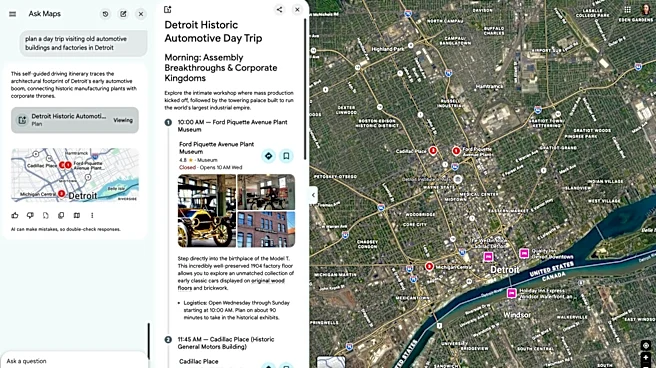
Expedia's dual strategy and its navigation of AI integration are crucial for the U.S. travel industry and broader economic stakeholders. The rapid growth of its B2B segment signifies a shift in how travel technology and inventory are distributed, potentially empowering smaller agencies and loyalty programs by providing them with robust backend infrastructure without the full cost of consumer acquisition. This could lead to increased competition and innovation within the travel services sector. The threat of AI commoditizing distribution channels, however, poses a significant challenge, as it could disintermediate traditional booking platforms and alter consumer behavior in travel planning. Expedia's efforts to integrate with AI platforms like Google's AI Mode and Meta Muse, while also developing internal agentic AI tools, are vital for maintaining its market position. A slowdown in consumer demand, influenced by factors like election-related softness and geopolitical events, could impact the company's revenue and profitability, affecting investors and potentially signaling broader economic caution among consumers regarding discretionary spending on travel.
What's Next?
Several key developments are anticipated to influence Expedia's trajectory in the coming quarters. The upcoming earnings release will be a critical indicator, as investors will closely monitor whether the projected slowdown in fourth-quarter gross bookings growth is a temporary blip or a sign of more sustained softer demand. Continued momentum in the B2B segment, particularly its margin trajectory, will also be under scrutiny, as management has acknowledged near-term margin pressure from partner mix and acquisitions. The evolution of AI integrations, including partnerships and the economic viability of these new channels, will be crucial in determining whether AI becomes a net benefit or a disintermediating force for Expedia. Analyst ratings and price targets, which currently show a wide range due to uncertainty surrounding AI-driven search disruption and near-term demand, will continue to reflect market sentiment and investor confidence in the company's strategic direction.
Beyond the Headlines
The strategic shifts at Expedia Group highlight broader implications for the digital economy and the future of consumer-facing industries. The company's dual structure, leveraging both direct-to-consumer and B2B channels, exemplifies a trend where established digital platforms seek to diversify revenue streams and mitigate risks associated with evolving consumer behaviors and technological advancements. The challenge posed by AI agents commoditizing distribution raises fundamental questions about the value proposition of intermediaries in a highly automated and intelligent digital landscape. This could lead to a re-evaluation of brand loyalty, direct booking advantages, and the role of human-centric service recovery in an AI-driven world. Furthermore, the impact of macroeconomic factors like interest rates, inflation, and geopolitical events on discretionary spending underscores the interconnectedness of global events with corporate performance, particularly in sectors sensitive to consumer confidence and travel patterns. Expedia's approach to these challenges could serve as a case study for other industries grappling with similar technological and economic shifts.