







What's Happening?
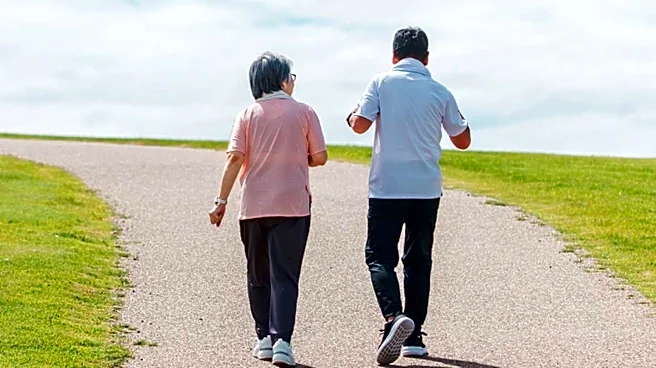
Researchers at Shinshu University in Japan developed and studied a method called interval walking training (IWT), often referred to as 'Japanese walking.' This method involves alternating three minutes of brisk walking, where conversation is difficult,
with three minutes of slower, comfortable walking. This cycle is repeated five times for a total of 30 minutes, at least four days a week. The brisk intervals are set at approximately 70 percent of an individual's peak aerobic capacity, while the slow intervals are around 40 percent. A landmark study published in 2007 followed 246 participants aged 44 to 78, with an average age of 63, over five months. The study compared IWT to moderate-intensity continuous walking and no walking. The IWT group showed significant improvements in thigh muscle strength, peak aerobic capacity, and resting blood pressure, outperforming the continuous walking group. A later analysis of 679 middle-aged and older adults, with an average age of 65, further supported these findings, showing a 14 percent improvement in estimated peak aerobic capacity and a 17 percent reduction in lifestyle-related diseases after five months of IWT. Adherence to the program was high, at around 85 percent.
Why It's Important?
This research offers a time-efficient and accessible exercise regimen that can significantly benefit the health of middle-aged and older adults in the U.S. and globally. The decline in leg strength with age contributes to instability and fall risk, and IWT's ability to increase thigh muscle strength without specialized equipment is a major advantage. Furthermore, the method's effectiveness in lowering resting blood pressure addresses a common age-related health concern. Unlike continuous moderate-intensity walking, IWT provides a more potent cardiovascular stimulus by incorporating short bursts of higher intensity, which can be crucial for maintaining heart health. The high adherence rate observed in the studies suggests that this method is sustainable for older populations, a key factor often missing in more demanding exercise programs. For individuals over 50, who may find traditional exercise routines challenging or time-consuming, Japanese walking presents a practical and scientifically-backed alternative to improve fitness, strength, and overall well-being.
What's Next?
The findings suggest that healthcare providers and fitness professionals in the U.S. could increasingly recommend Japanese walking as a viable exercise option for older adults. Public health campaigns might incorporate this method to encourage physical activity among those who are currently inactive or find other forms of exercise too strenuous. Further research could explore the long-term benefits of IWT, its impact on specific chronic conditions prevalent in the U.S. aging population, and its potential integration into rehabilitation programs. The simplicity of the method, requiring only a pair of shoes and a timer, makes it easily adoptable, potentially leading to wider implementation in community health initiatives. Individuals interested in starting this program are advised to consult their doctor, especially if they have pre-existing heart conditions, high blood pressure, or joint problems, to ensure it is appropriate for their health status.
Beyond the Headlines
The success of Japanese walking highlights a broader shift in understanding effective exercise, moving beyond the traditional focus on continuous, long-duration activities. It underscores the value of interval training, even at moderate intensities, for improving various health markers. This approach challenges the common perception that significant health benefits require intense, prolonged workouts or gym memberships, making exercise more democratic and accessible. The high adherence rate also points to the psychological aspect of exercise; a program that is perceived as achievable and less daunting is more likely to be sustained. This could lead to a re-evaluation of exercise guidelines, emphasizing quality and structure over mere quantity (like the 10,000 steps goal), particularly for populations with specific needs or limitations. The method's origin in Japan also reflects a cultural emphasis on practical, integrated approaches to health and longevity.