



What's Happening?
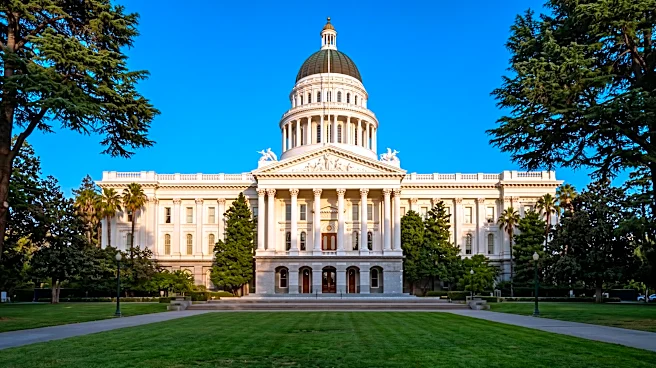
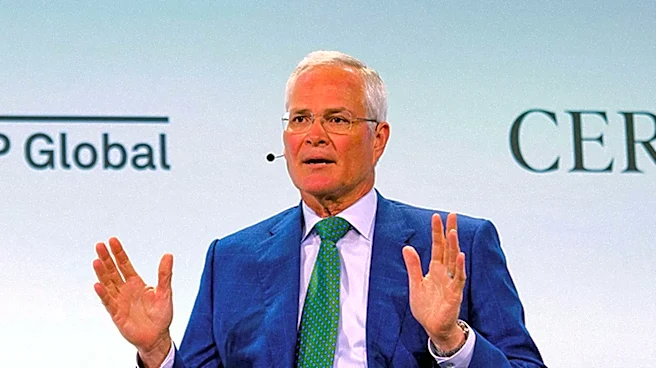
PG&E CEO Patti Poppe is advocating for California lawmakers to reconsider wildfire liability reform after a recent proposal failed to advance, causing a significant drop in PG&E's stock by 20%. The proposed legislation aimed to limit the financial liability of
utility companies for wildfires ignited by their equipment. Poppe expressed optimism that lawmakers, under the leadership of California Governor Gavin Newsom and Speaker Rivas, will revisit the issue. The company has been working for six years to strengthen operations, reduce wildfire risk, improve reliability, and lower customer rates. However, the ongoing risk of substantial wildfire liabilities continues to increase financing costs and deter investors, complicating PG&E's efforts to regain an investment-grade credit rating. Consumer advocacy groups have opposed such reforms, arguing that utilities should prioritize prevention and be held accountable for fires caused by their infrastructure.
Why It's Important?
The failure to pass wildfire liability reform has immediate and significant financial implications for PG&E and potentially other California utilities like Edison International, whose shares also fell by 21%. This legislative setback makes financing more expensive for PG&E, as investors and banks perceive higher risks, leading to increased borrowing costs. Poppe estimates that lower borrowing costs could have saved customers $600 million in debt issuances over the past two years. The inability to achieve an investment-grade credit rating restricts PG&E's access to capital, impacting its ability to invest in infrastructure improvements and renewable energy projects. The company has already announced a strategic review and cut $2 billion from its 2027 capital spending plan, which could delay housing starts and renewable energy initiatives in California. This situation highlights a critical tension between consumer protection, utility financial stability, and the state's energy and housing goals.
What's Next?
PG&E CEO Patti Poppe hopes that California lawmakers will return to the negotiating table, possibly in a special session, to address wildfire liability reform. The company's strategic review and capital spending cuts are already in motion, which could lead to delays in housing and renewable energy projects across California. The outcome of future legislative efforts will determine PG&E's ability to secure more affordable financing, restore its investment-grade credit rating, and potentially reverse the $2 billion cut from its capital spending plan. The ongoing debate will likely involve continued pressure from consumer advocacy groups for greater utility accountability and prevention measures, while utilities will emphasize the need for financial stability to ensure reliable service and infrastructure investment. The situation underscores the complex interplay between state policy, corporate finance, and public safety in California.
Beyond the Headlines
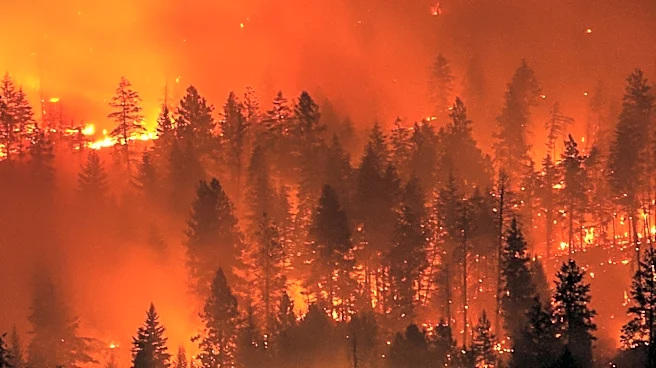
The ongoing struggle over wildfire liability reform in California reveals deeper systemic challenges related to climate change, aging infrastructure, and regulatory frameworks. As climate change intensifies, the frequency and severity of wildfires are increasing, placing immense pressure on utilities whose equipment can be a source of ignition. The debate over liability reform touches upon fundamental questions of who bears the financial burden of these natural disasters: ratepayers, shareholders, or the state. The current situation could set a precedent for how other states with similar wildfire risks manage utility accountability and financial stability. Furthermore, the reduction in PG&E's capital spending due to financial constraints could have long-term implications for California's transition to renewable energy and its housing development goals, potentially slowing down progress on critical environmental and social initiatives. The ethical dimension of balancing corporate responsibility with the need for affordable and reliable energy services remains a central, unresolved issue.