


What's Happening?
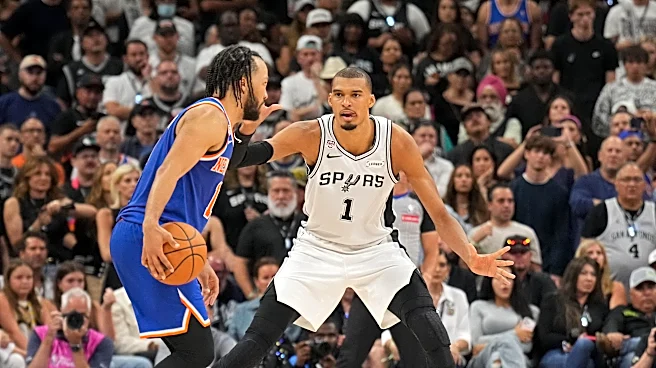
The NBA and NFL have announced their schedules for Christmas Day 2026, promising a thrilling lineup of games for sports fans. The NBA will feature five matchups, including a highly anticipated NBA Finals rematch between the New York Knicks and the San
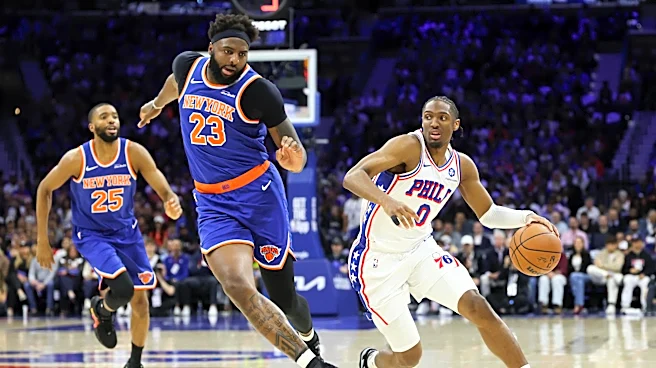
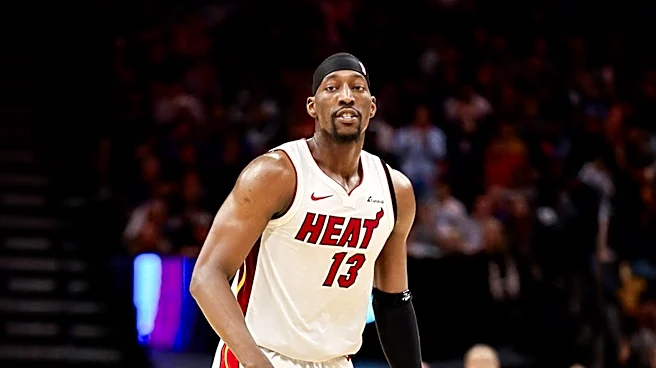
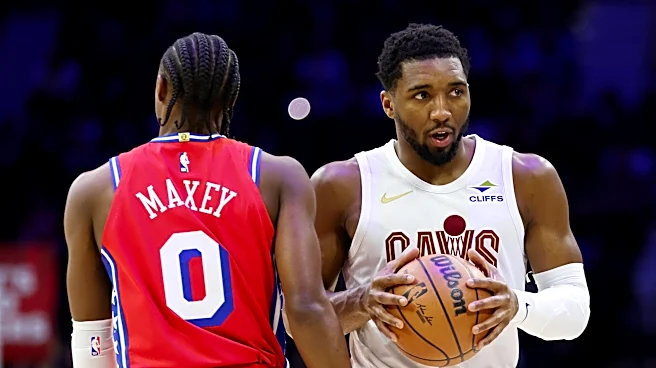
Antonio Spurs. Other notable NBA games include the Philadelphia 76ers facing the Los Angeles Lakers, and the Miami Heat taking on the Boston Celtics. The NFL will host a triple-header, featuring the Green Bay Packers against the Chicago Bears, the Buffalo Bills versus the Denver Broncos, and the Seattle Seahawks playing the Los Angeles Rams. These games are expected to draw significant attention, with several playoff rematches and star-studded rosters.
Why It's Important?
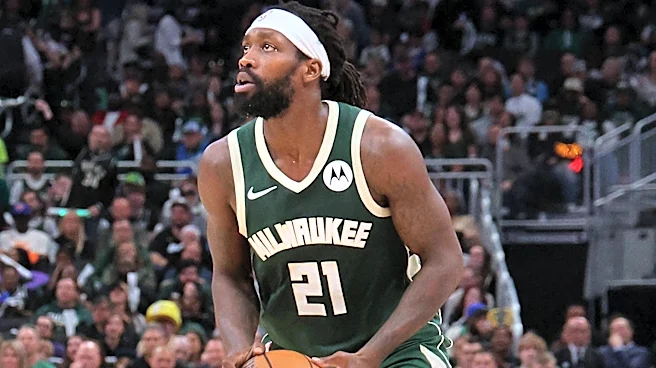
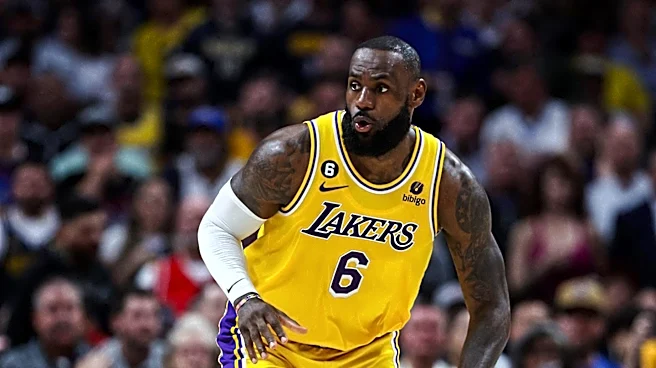
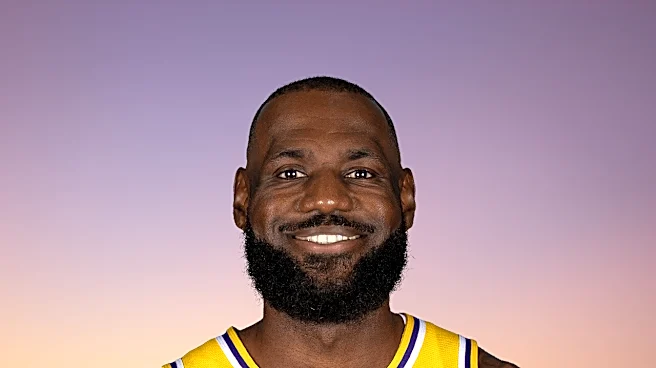
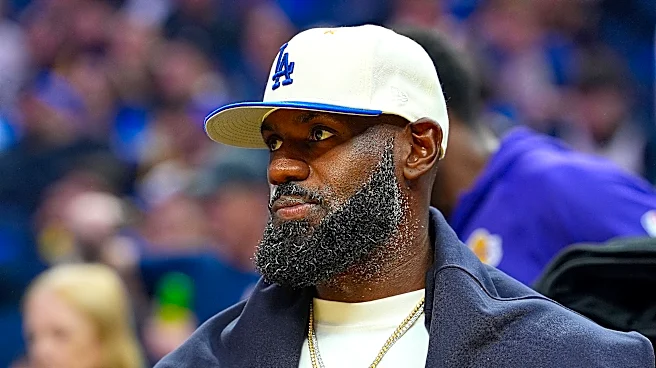
The Christmas Day sports schedule is significant as it showcases some of the most competitive and high-profile matchups in both the NBA and NFL. These games not only provide entertainment for fans but also have implications for playoff standings and team rivalries. The inclusion of playoff rematches adds an extra layer of excitement, as teams seek redemption or aim to assert dominance. Additionally, the presence of star players like LeBron James, Giannis Antetokounmpo, and Stephen Curry ensures high viewership and engagement, impacting broadcasting ratings and advertising revenues.
What's Next?
Fans can look forward to these matchups as the season progresses, with teams preparing for these pivotal games. The outcomes could influence playoff positions and team strategies moving forward. Stakeholders, including broadcasters and advertisers, will likely capitalize on the high viewership expected during these games. Teams will continue to refine their rosters and strategies to ensure peak performance on Christmas Day, potentially leading to exciting trades and lineup changes.
Beyond the Headlines
Beyond the immediate excitement, these games highlight the growing trend of sports leagues capitalizing on holiday viewership. The strategic scheduling of high-profile games on Christmas Day reflects the leagues' efforts to maximize audience engagement during a time when families are gathered and more likely to watch together. This approach not only boosts ratings but also strengthens the cultural significance of sports as a holiday tradition.