






What's Happening?
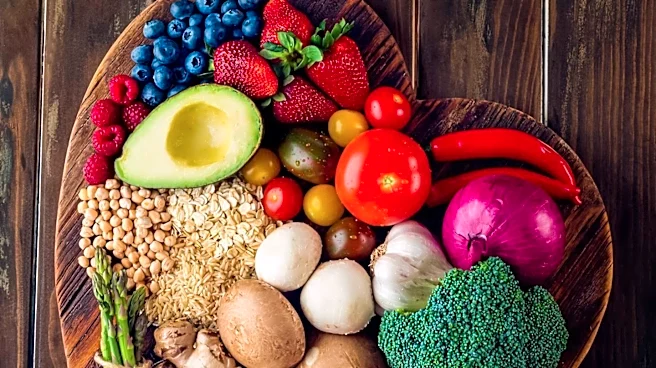
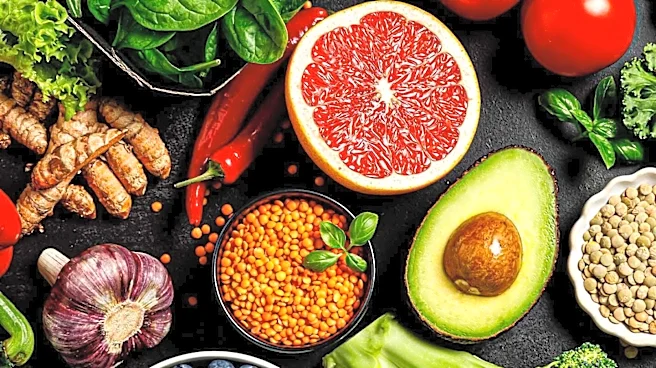
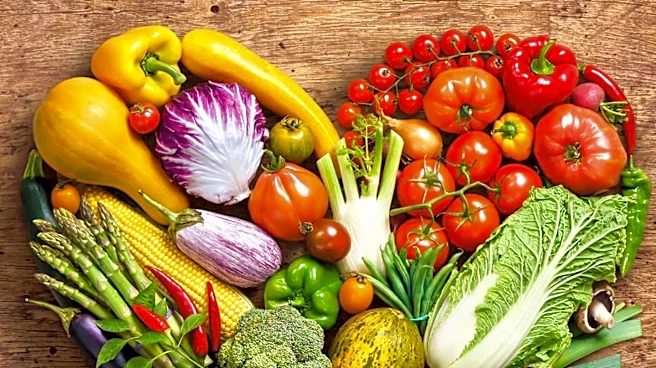
UC Davis Health highlights that simple dietary choices and habits can significantly support the immune system and overall health. Key recommendations include consuming foods rich in Vitamin C, such as bell peppers, guava, oranges, strawberries, papaya,
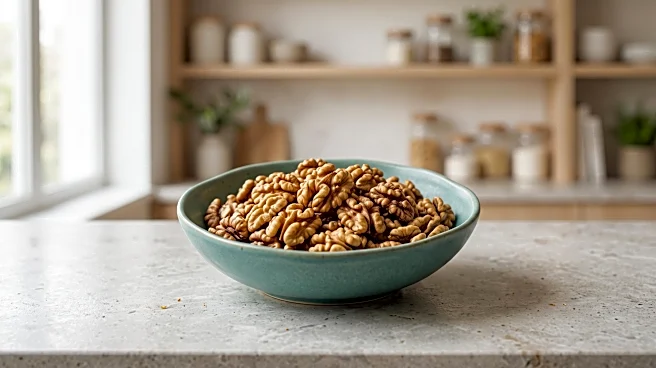
and broccoli, as Vitamin C aids in white blood cell production and acts as an antioxidant. Eating yogurt with live active cultures is also beneficial due to probiotics that support digestion and gut health, which in turn helps fight off germs. Mushrooms, described as a 'nutritional powerhouse' by the National Institutes of Health (NIH), provide minerals, fiber, protein, and vitamins B and D, and help protect against stress and inflammation. Garlic, consumed in one or two cloves daily, activates immune cells, relaxes blood vessels, and helps lower cholesterol and blood pressure. Additionally, a variety of raw, unsalted nuts offer anti-inflammatory nutrients and fiber, promoting stronger immunity.
Why It's Important?
A robust immune system is fundamental for protecting the body against illnesses like colds and flu. By integrating these simple foods into daily diets, individuals can proactively strengthen their natural defenses. The emphasis on gut health through probiotics and fiber underscores the critical link between a healthy digestive system and overall immunity. A well-functioning gut microbiome is better equipped to fight off pathogens and reduce systemic inflammation. These dietary recommendations offer accessible and practical ways for the general public to enhance their health without resorting to complex or expensive interventions. This approach empowers individuals to take control of their well-being through everyday choices, potentially reducing the incidence and severity of common infections and promoting long-term health.
What's Next?
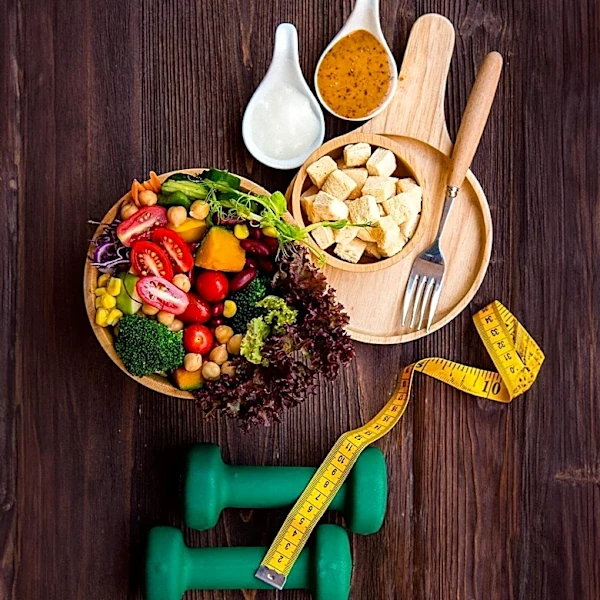
Individuals are encouraged to incorporate these immune-boosting foods into their weekly menus. For yogurt, checking labels for 'live active cultures' and opting for unsweetened varieties is advised. When cooking with garlic, using more of it is suggested as heating can reduce its benefits. For mushrooms, cooking them helps the body absorb more nutrients. Maintaining a balanced diet, staying hydrated, and choosing foods rich in essential vitamins and minerals are overarching recommendations. These small, consistent changes are presented as effective steps toward improving health. Consulting with healthcare providers for personalized advice, especially for specific health concerns, remains important.
Beyond the Headlines
The focus on simple, natural foods for immunity reflects a growing public interest in preventive health and holistic well-being. This approach moves beyond a reactive model of treating illness to a proactive one of building resilience. It also highlights the role of nutrition education in public health, emphasizing that basic dietary knowledge can have significant impacts on individual and community health outcomes. The recommendations implicitly challenge the reliance on processed foods and supplements, advocating for nutrient-dense whole foods as the primary source of health benefits. This perspective can foster a greater connection to food sources and encourage sustainable eating habits, contributing to both personal health and broader environmental well-being.