







What's Happening?
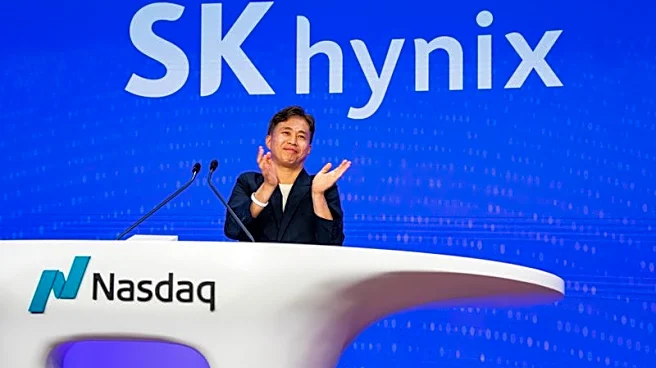
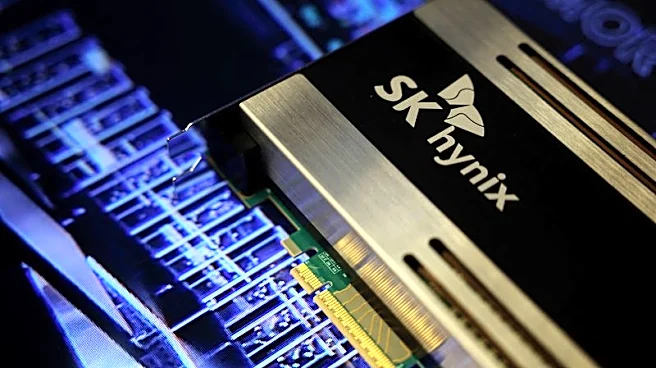
SK Hynix CEO Kwak Noh-jung has issued a warning that the global memory industry is heading for its worst-ever supply shortage in 2027. Despite aggressive capacity expansion plans, the company anticipates that demand for memory will continue to exceed
production capabilities well into the next decade. This forecast comes as SK Hynix marks its Nasdaq trading debut. The memory shortages are attributed to heightened demand from AI customers and multi-year agreements, which have put additional pressure on the market. The focus on premium DRAM segments like HBM and LPDDR5X has led to price hikes affecting consumer segments, including PCs and smartphones.
Why It's Important?
The anticipated memory shortages in 2027 could have far-reaching implications for the technology industry and consumers. As demand for memory continues to outstrip supply, prices for memory components are likely to rise, impacting the cost of consumer electronics and potentially slowing technological advancements. The shortages could also affect industries reliant on memory for AI and data processing, leading to increased competition for available resources. Companies like SK Hynix, Samsung, and Micron may benefit from higher profits due to premium memory sales, but consumers and smaller tech companies could face challenges due to increased costs and limited availability.
What's Next?
In response to the looming shortages, SK Hynix and other major memory producers are embarking on multi-year expansion plans, including the construction of new fabs in South Korea, the US, Japan, and Southeast Asia. These efforts aim to increase production capacity and meet growing demand. However, the full impact of these expansions may not be realized until after 2030. In the meantime, companies may need to prioritize high-demand segments and explore alternative memory technologies to mitigate the effects of shortages. The situation also presents opportunities for emerging memory producers, particularly in China, to expand their market presence.
Beyond the Headlines
The memory shortages highlight the critical role of memory in the AI revolution and the broader semiconductor landscape. As AI applications continue to grow, the demand for advanced memory solutions will likely increase, driving further innovation in the sector. The situation also underscores the importance of strategic planning and investment in semiconductor infrastructure to ensure long-term stability and competitiveness. Additionally, the focus on premium memory segments may lead to increased collaboration between memory producers and AI companies to develop tailored solutions that meet specific industry needs.