


What's Happening?
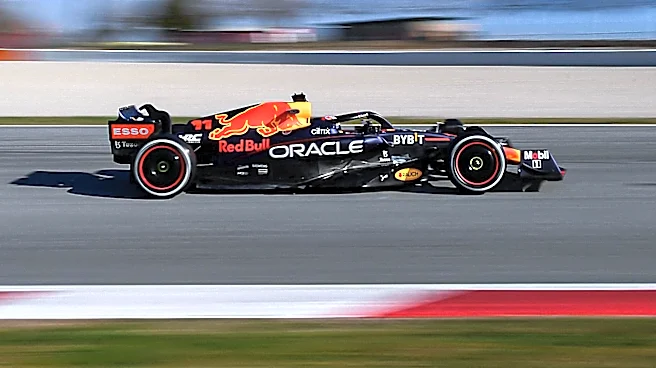
Red Bull Racing is awaiting the results of the FIA's second Additional Development and Upgrade Opportunities (ADUO) assessment, which will determine if they can introduce upgrades to their power unit before the end of the season. The ADUO system, designed
as a catch-up mechanism for the 2026 regulations, evaluates the performance of internal combustion engines (ICE). If a manufacturer's ICE trails the benchmark by at least 2%, they receive development tokens and the right to upgrade. In the first assessment period, Red Bull's Ford-partnered DM01 was deemed the benchmark, freezing their development while rivals received upgrade opportunities. Red Bull disputed these findings, but the FIA upheld its conclusion. The upcoming decision, based on the Monaco-to-Hungary analysis window, will be crucial for Red Bull's competitive standing.
Why It's Important?
This decision holds significant implications for Red Bull Racing's performance and the competitive landscape of Formula 1. If Red Bull's ICE is again deemed the benchmark or within the 2% threshold, their power unit development will remain frozen, potentially allowing rivals to close the gap or even surpass them. The core issue lies in the ADUO system's focus solely on ICE performance, while ignoring the hybrid power unit's electrical components where Red Bull acknowledges a deficit. This means that even if Red Bull is behind in the electrical side, the system prevents them from upgrading their entire package if their ICE is strong. This regulatory framework could disproportionately affect Red Bull, hindering their ability to address weaknesses and maintain competitiveness against teams that receive upgrade tokens.
What's Next?
The FIA is expected to notify manufacturers of the second ADUO assessment results before the Italian Grand Prix. This announcement will clarify whether Red Bull Powertrains will be granted development opportunities. If the freeze continues, Red Bull's last chance for in-season upgrades would be the third and final assessment window, covering the period from the Dutch Grand Prix to the United States Grand Prix. The outcome will dictate Red Bull's strategic approach to the remainder of the 2026 season and potentially influence their preparations for the 2027 regulatory reset. The ongoing debate about the ADUO system's fairness and accuracy is also likely to intensify, with FIA single-seater director Nikolas Tombazis already acknowledging its shortcomings.
Beyond the Headlines
The controversy surrounding the ADUO system highlights a fundamental tension in sports regulation: how to balance competitive fairness with innovation and performance. While intended to level the playing field, the system's narrow focus on ICE performance, while freezing the entire power unit, creates a paradoxical situation where a team can be penalized for excelling in one area while being disadvantaged in another. This could lead to strategic maneuvering by teams, potentially underperforming in certain periods to secure upgrade tokens. The long-term implications could include a shift in how teams approach power unit development and a re-evaluation of regulatory mechanisms to ensure they accurately reflect overall performance and promote genuine competition rather than unintended strategic gamesmanship.