





What's Happening?
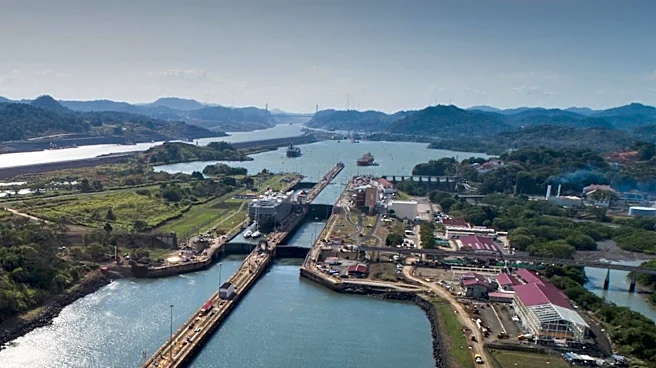
The Panama Canal Authority (ACP) is initiating capacity and draft restrictions in anticipation of an El Niño-driven drought. Projections from the ACP, charted by Braemar, indicate a steady decline in Gatun Lake levels through August, September, and October,
which are typically part of Panama’s rainy season. The lake is expected to drop to approximately 25.3 meters by early October and further decrease later in the month. In response, the canal has already reduced its daily booking capacity from 36 to 34 vessels in late July. Furthermore, the maximum authorized neopanamax draft will be lowered to 14.6 meters on August 26 and to 14.5 meters from September 3. These measures are being implemented to manage water levels and ensure continued, albeit restricted, operation of the vital waterway.
Why It's Important?
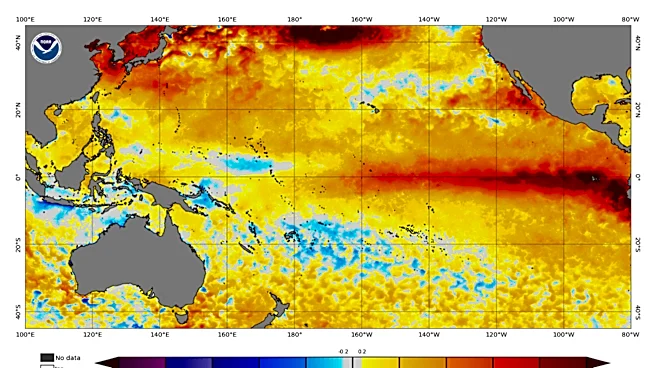
The Panama Canal is a critical artery for global trade, and these restrictions have significant implications for U.S. industries and consumers. A substantial portion of goods destined for the U.S. East and Gulf Coasts transit through the canal. Reduced capacity and draft limits mean fewer and smaller ships can pass, leading to potential delays and increased shipping costs. Carriers like MSC and CMA CGM have already introduced surcharges for cargo moving from Asia to the U.S. East and Gulf coasts, directly impacting businesses and potentially leading to higher prices for imported goods. The situation highlights the vulnerability of global supply chains to climate-related events and underscores the need for businesses to consider alternative shipping routes or inventory management strategies to mitigate disruptions. The U.S. National Oceanic and Atmospheric Administration's high probability forecast for a strong El Niño further amplifies these concerns.
What's Next?
The Panama Canal Authority administrator, Ricaurte Vásquez Morales, has indicated that further capacity restrictions are likely if conditions worsen, including additional draft reductions and cuts to daily booking slots. This suggests that the current measures may be just the beginning of a more prolonged period of operational adjustments. Businesses reliant on the Panama Canal for shipping will need to closely monitor these developments and prepare for potential escalations in surcharges and transit times. The U.S. National Oceanic and Atmospheric Administration's forecast of a very strong El Niño, with a high probability of exceeding the strength of past events, suggests that the drought conditions could persist and intensify, leading to more severe and prolonged disruptions to canal operations throughout the Northern Hemisphere autumn and winter.
Beyond the Headlines
The recurring challenges faced by the Panama Canal due to drought conditions underscore the broader impact of climate change on critical global infrastructure. As climate patterns become more unpredictable, the reliability of key trade routes like the Panama Canal is increasingly at risk. This situation could accelerate discussions and investments in alternative shipping routes, such as the proposed Nicaragua Canal or expanded rail networks, though these are long-term solutions. It also highlights the need for international cooperation in addressing climate change and its effects on global commerce. The economic ripple effects of these disruptions could extend beyond shipping costs, potentially influencing manufacturing locations, inventory strategies, and ultimately, consumer prices in the U.S. and globally, prompting a reevaluation of supply chain resilience.