






What's Happening?
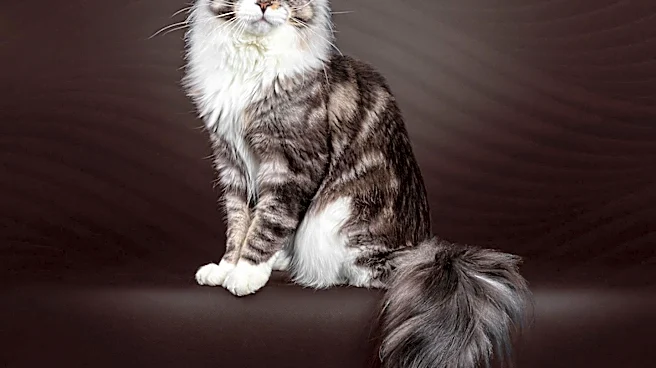
The Cat Fanciers Association has released its list of the most popular cat breeds in the U.S. for 2025, with the Maine Coon, Ragdoll, and Persian topping the rankings. These three breeds are highlighted as the most frequently chosen by American cat owners.
The Maine Coon, known for its large size, friendly demeanor, and playful nature, can weigh between 8 to 18 pounds and has a lifespan of 12 to 15 years. The Ragdoll, a large and affectionate breed, is recognized for its calm and loving temperament, often going limp when held, and typically weighs 10 to 20 pounds with a lifespan of 12 to 17 years. The Persian, a classic long-haired cat, is characterized by its flat face, round eyes, and thick coat requiring daily grooming. This breed is generally calm and quiet, weighing 7 to 13 pounds with a lifespan of 12 to 17 years. The report also details 11 other popular breeds, providing quick facts on their size, coat, temperament, and lifespan.
Why It's Important?
The popularity rankings of cat breeds reflect evolving preferences among U.S. pet owners and can influence breeding trends, pet adoption rates, and the market for pet-related products and services. For instance, the high demand for breeds like the Maine Coon and Ragdoll, known for their family-friendly traits, suggests a growing preference for companion animals that integrate well into household dynamics, especially those with children. This trend can impact veterinary services, specialized pet food formulations catering to specific breed needs, and the pet accessory market. Breeders might focus more on these popular breeds, potentially affecting the diversity of available cats in shelters and for sale. Additionally, the emphasis on traits like calmness and compatibility with kids highlights a societal shift towards pets being integral family members, influencing how pet ownership is perceived and managed across the country.
What's Next?
The continued popularity of these breeds is likely to sustain their demand in the U.S. pet market. This could lead to increased breeding efforts for Maine Coons, Ragdolls, and Persians, potentially impacting their availability and pricing. Pet product manufacturers may further tailor their offerings to these breeds, such as specialized grooming tools for long-haired cats or toys designed for active breeds like the Maine Coon. Animal shelters and rescue organizations might also see a continued influx of these popular breeds, either as surrenders or through rescue efforts, necessitating specific care and rehoming strategies. Furthermore, the focus on family-friendly traits could encourage more educational initiatives for prospective pet owners on responsible pet care and breed-specific needs, ensuring these popular breeds thrive in appropriate home environments.
Beyond the Headlines
The sustained popularity of specific cat breeds like the Maine Coon, Ragdoll, and Persian can have broader implications beyond immediate market trends. Ethically, it raises questions about responsible breeding practices and the potential for overbreeding or the neglect of less popular breeds. The emphasis on certain aesthetic or temperamental traits might inadvertently contribute to genetic health issues if breeding pools become too narrow. Culturally, the choice of a pet often reflects lifestyle and personal values; the preference for calm, loving, and family-friendly cats suggests a desire for emotional support and companionship in increasingly busy lives. This trend also highlights the significant role pets play in mental well-being and family cohesion, underscoring the human-animal bond in contemporary American society. The long-term shift could see a greater emphasis on pet compatibility and temperament in adoption and purchasing decisions, rather than solely on appearance.