



What's Happening?
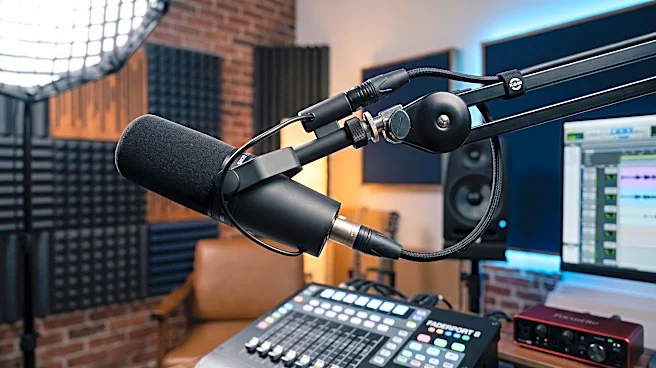
Comedian D.L. Hughley, on the Thanksgiving edition of his 'Uncertain' podcast, challenged the widely held belief that men are inherent protectors of women. Hughley argued that men often only protect women they have a personal relationship with, such as wives,
girlfriends, or daughters, and may not extend the same consideration to other women. Co-host Jasmine Sanders brought up Steve Harvey's relationship advice, which often emphasizes men's roles as protectors and providers. The discussion also touched upon the viral 'man or bear' debate, where women overwhelmingly preferred encountering a bear over an unfamiliar man alone in the woods, a preference Hughley admitted saddened him. Sanders, however, was not surprised by this sentiment, highlighting the anxiety women can feel around unfamiliar men despite being taught that men are protectors. Hughley further questioned the double standard of men demanding respect for their loved ones while failing to extend that same consideration to other women.
Why It's Important?
This discussion is important as it challenges deeply ingrained societal norms and expectations surrounding gender roles and protection in the U.S. It prompts a re-evaluation of the traditional narrative that positions men as universal protectors, highlighting a potential disconnect between this ideal and lived experiences. The conversation sheds light on the complexities of male-female interactions and the anxieties women may face, even in contexts where they are theoretically 'protected.' By questioning the selective nature of male protection, Hughley's commentary could encourage broader societal dialogue about accountability, respect, and the treatment of women beyond personal relationships. It also implicitly critiques the influence of public figures like Steve Harvey, whose advice shapes perceptions of gender roles, by presenting a counter-narrative that emphasizes the need for consistent respect for all women.
What's Next?
The ongoing public discourse sparked by figures like D.L. Hughley and the 'man or bear' debate is likely to continue influencing conversations about gender dynamics and safety in the U.S. This type of commentary could lead to increased scrutiny of traditional gender roles in media and popular culture, potentially encouraging more nuanced portrayals of male and female relationships. It may also prompt further discussions within communities and families about how men are socialized to view their responsibilities towards women, and how women perceive their safety in various social contexts. The continued engagement with these topics by comedians and public figures suggests a growing societal willingness to critically examine and challenge long-standing assumptions about gender and protection.
Beyond the Headlines
Beyond the immediate discussion, Hughley's comments touch upon deeper ethical and cultural dimensions regarding male responsibility and societal expectations. The idea that 'men only protect the women they like' exposes a potential hypocrisy in the concept of chivalry and protection, suggesting that these acts are often conditional rather than universal. This perspective could contribute to a broader cultural shift where the onus of safety and respect is not solely placed on men as 'protectors,' but rather on a collective societal responsibility to foster an environment of mutual respect and safety for all individuals. It also highlights the psychological impact of societal narratives on women, who are taught to expect protection while simultaneously experiencing anxiety around unfamiliar men, underscoring a fundamental contradiction in their lived experiences.