






What's Happening?
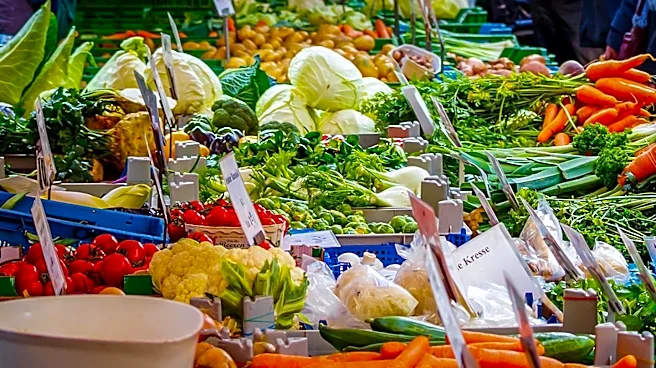
Wholesale prices for fresh and dry vegetables in the U.S. jumped 26.7% in October, following a 30.7% increase in September, according to a Labor Department report. These back-to-back increases have left vegetable prices 36% higher than a year earlier,
as measured by the Bureau of Labor Statistics' Producer Price Index (PPI). This surge in vegetable prices contributed to a 1.3% rise in the index for final demand foods in October. The broader Producer Price Index for final demand increased by 0.3% in October, a slowdown from September's 1.4% jump. However, over the 12 months ending in October, the PPI climbed 6.5%, marking the largest annual increase since November 2022. Prices for final demand goods rose 0.5% in October and are up 10.2% from a year earlier, the biggest 12-month gain since October 2022. Other price increases were noted for basic organic chemicals, gas fuels, jet fuel, and processed young chickens, while energy prices, pork, and passenger car prices declined.
Why It's Important?
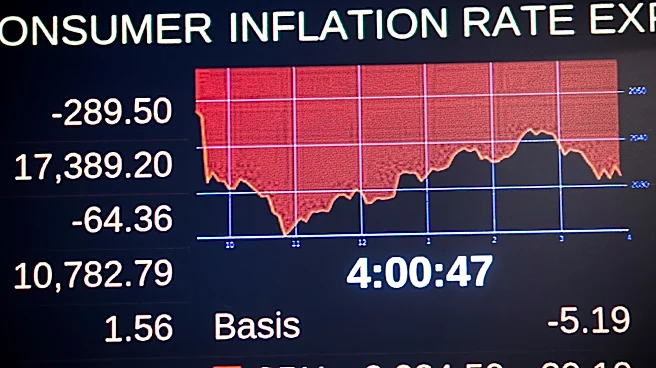
The significant rise in producer prices, particularly for vegetables, signals potential inflationary pressures that could eventually impact U.S. consumers. The Producer Price Index measures prices received by farms, factories, and service providers, and changes in these wholesale prices often precede shifts in consumer prices. While retailers do not always pass on costs in full, sustained increases at the producer level can lead to higher prices for goods at the consumer level, affecting household budgets. The 6.5% annual increase in the PPI for final demand, the largest in nearly four years, indicates a broad inflationary trend in the supply chain. This could influence the Federal Reserve's monetary policy decisions, as persistent inflation might prompt further actions to stabilize prices. Industries reliant on agricultural products, such as food service and grocery retail, may face increased input costs, potentially squeezing profit margins or leading to higher prices for consumers.
What's Next?
The Labor Department is scheduled to release the November Producer Price Index report on December 15, which will provide further insight into ongoing price trends. Businesses, particularly those in the food sector, will likely continue to monitor these wholesale price fluctuations closely to adjust their pricing strategies and supply chain management. Consumers may anticipate higher prices for fresh produce and other goods in the coming months if these producer price increases are passed down. Policymakers and economists will be watching these figures for signs of persistent inflation, which could influence future economic forecasts and monetary policy decisions. The revisions made to data from June through September suggest that the economic picture is dynamic and subject to ongoing adjustments, making future reports crucial for understanding the trajectory of inflation.
Beyond the Headlines
The sharp increase in vegetable prices, following a steep summer decline, highlights the volatility inherent in agricultural markets, which can be influenced by factors such as weather patterns, supply chain disruptions, and global demand. This volatility can create significant challenges for food producers and distributors in managing costs and ensuring stable supply. The broader rise in producer prices, even with some moderation in the monthly rate, points to underlying cost pressures across various sectors of the U.S. economy. This could reflect ongoing labor shortages, increased raw material costs, or lingering effects of supply chain bottlenecks. The divergence in price movements—with some goods like vegetables and chemicals rising significantly while others like energy and pork decline—suggests a complex inflationary environment rather than a uniform increase across all sectors. This complexity makes it challenging for businesses and policymakers to predict and respond to future economic conditions effectively.