





What's Happening?
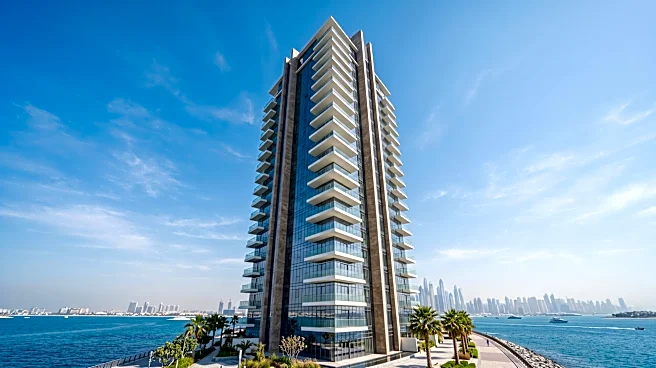
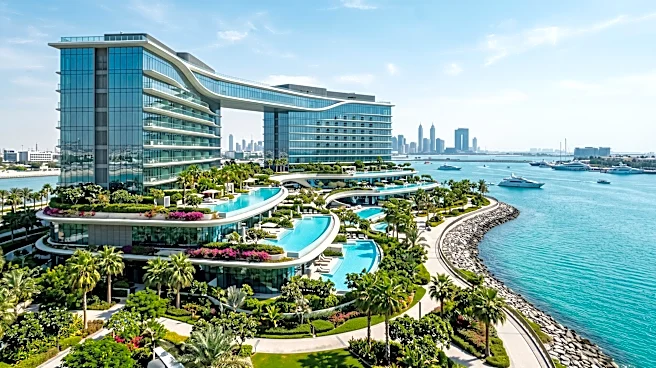
Capella Hotel Group has announced plans to open Capella Dubai in 2030, a 115-key luxury hotel located at Dubai Peninsula, a significant waterfront development along Dubai’s Jumeirah coastline. The hotel, developed by H&H and designed by Denniston, will
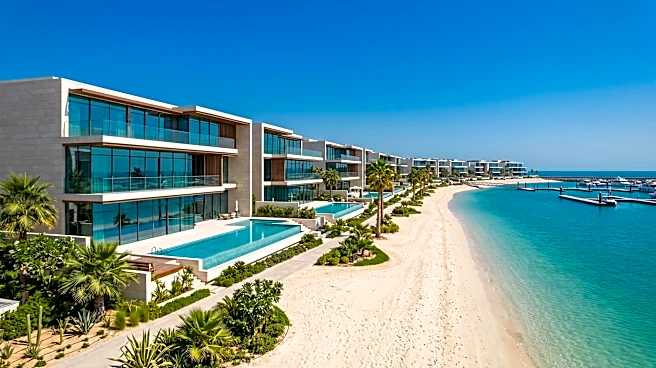
feature a range of suites, including some with private pools, and a 600-square-meter Capella Suite. The property will be situated where the Dubai Water Canal meets the Arabian Sea, within the 210-acre Dubai Peninsula, which will also include international hotel brands, private residences, dining, retail, a superyacht marina, and botanical gardens. The wellness offerings at Capella Dubai will include Capella Wellness, featuring the Auriga Spa, a Fitness Centre, and Mind Body Studio. The Auriga Spa will incorporate male and female treatment rooms, a co-ed suite, a VIP suite, a hammam, a hydrotherapy circuit pool, and two biohacking facilities, alongside grooming services and dedicated relaxation lounges.
Why It's Important?
The introduction of Capella Dubai, particularly with its biohacking facilities, signifies a growing trend in the luxury hospitality sector towards integrating advanced wellness technologies and personalized health optimization into guest experiences. This development could influence the competitive landscape of high-end hotels globally, pushing other luxury brands to consider similar innovative wellness offerings. For the U.S. market, this trend, while currently manifesting in Dubai, suggests a potential future direction for luxury hospitality and wellness services, where guests seek more than traditional spa treatments, opting for data-driven and personalized health interventions. The inclusion of biohacking facilities could attract a niche but affluent clientele interested in longevity and performance optimization, potentially setting new standards for luxury travel and wellness tourism.
What's Next?
The Capella Dubai project is slated for completion and opening in 2030. Leading up to this, the development will involve significant construction and interior design phases. The hotel group will likely focus on marketing its unique wellness proposition, particularly the biohacking facilities, to attract its target demographic. This could involve partnerships with wellness experts or technology providers in the biohacking space. The success of this venture in Dubai may serve as a case study for Capella Hotel Group and other luxury hospitality providers, potentially leading to the expansion of similar advanced wellness concepts into other global markets, including the U.S., in the years following its launch.
Beyond the Headlines
The integration of biohacking into luxury hotels like Capella Dubai reflects a broader societal shift towards self-optimization and the pursuit of enhanced human performance and longevity. This trend raises questions about accessibility and equity in wellness, as such advanced facilities are typically exclusive to high-end clientele. It also highlights the increasing convergence of technology, health, and hospitality, blurring the lines between medical interventions and lifestyle choices. The concept of 'biohacking for good,' as mentioned in other contexts, suggests a potential for these technologies to be applied more broadly, but in the luxury sector, it primarily caters to individual enhancement. This development could further normalize the idea of using technology to modify biological processes for personal benefit, potentially influencing consumer expectations for health and wellness services across various industries.