







What's Happening?
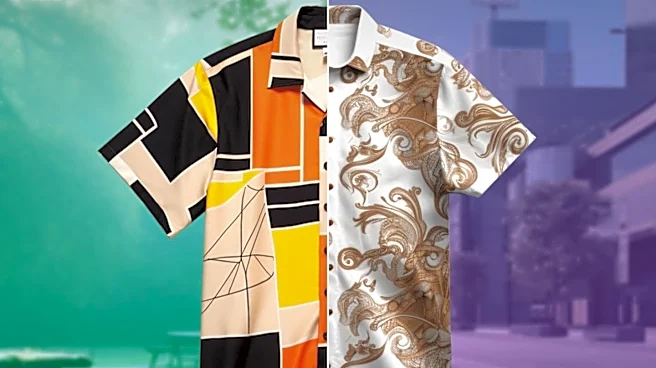
Fashion Diffusion, an AI-powered fashion image generation and design tool, has updated its Terms of Service, effective September 2026. These terms govern the use of its website, application, AI features, subscriptions, and related creative resources.
A significant aspect of the update clarifies the interplay between Fashion Diffusion's terms and Apple's Standard Licensed Application End User License Agreement (EULA) for users accessing the application via the Apple App Store. In cases of conflict, Apple's EULA will prevail for App Store users. The terms also detail subscription policies, including auto-renewal, cancellation procedures through Apple ID settings, and refund processes, which are handled by Apple in accordance with Apple Media Services Terms. The company explicitly states that it does not directly process refunds for Apple in-app purchases. Furthermore, the terms outline user rights and obligations, data privacy measures, and limit the operator's liability to USD $100, except in cases of injury.
Why It's Important?
These updated Terms of Service are crucial for users of Fashion Diffusion, particularly those on Apple's ecosystem, as they clarify the legal framework governing their use of the AI design tool. The explicit deference to Apple's EULA for App Store users highlights the significant control platform providers exert over third-party applications. This impacts user rights regarding subscriptions, cancellations, and refunds, as these processes are primarily managed through Apple's systems rather than directly by Fashion Diffusion. For the fashion and technology industries, this underscores the complexities of operating within major app store ecosystems, where developers must align their policies with those of the platform. It also emphasizes the growing importance of clear data privacy and liability clauses in the context of AI-powered creative tools, as users generate and own content through these platforms.
What's Next?
Users of Fashion Diffusion, especially those on iOS, will need to familiarize themselves with both Fashion Diffusion's updated Terms of Service and Apple's EULA to fully understand their rights and responsibilities. The company will continue to operate under these terms, with potential future amendments communicated to users. The reliance on Apple for subscription management and refunds means that any changes to Apple's policies could indirectly affect Fashion Diffusion users. For the broader AI and creative technology sectors, this situation may prompt other developers to similarly clarify their terms regarding platform-specific policies. It also sets a precedent for how liability and data ownership are handled in AI-generated content, which could influence future legal and ethical guidelines in this rapidly evolving field.
Beyond the Headlines
The updated Terms of Service for Fashion Diffusion reflect a broader trend in the digital economy where the lines of responsibility and governance are often blurred between application developers and platform providers. The explicit statement that Apple's EULA prevails in conflicts underscores the power dynamics at play, where large tech companies dictate significant aspects of user experience and developer operations. This raises questions about interoperability, fair competition, and the ultimate control over digital assets and user data. For users, it necessitates a deeper understanding of multi-layered legal agreements. For developers, it highlights the strategic importance of choosing distribution channels and the need to navigate complex legal landscapes, potentially influencing business models and innovation within the AI-powered creative tools market. The limited liability clause also brings to light the inherent risks and evolving legal interpretations surrounding AI-generated content and its potential impact.