






What's Happening?
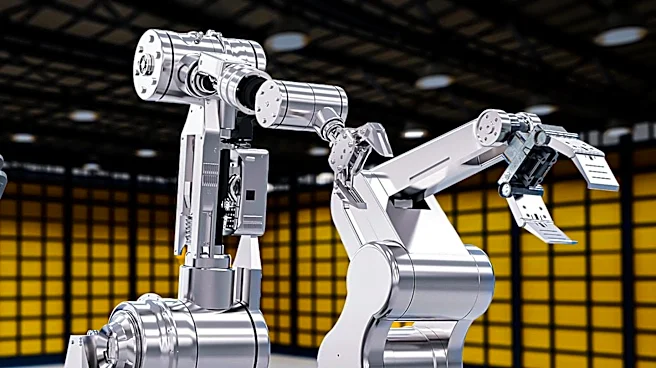
Alstom is actively recruiting a Robotic Operator for its Hornell, New York facility, offering a wage of $30.96 per hour. This role is critical for maintaining and optimizing the company's robotic production equipment, which includes setting up machines,
performing routine maintenance, and troubleshooting problems. The Robotic Operator will be responsible for ensuring manufacturing tasks adhere to planned schedules and quality standards, as defined by operating instructions and the Material Requirements Planning (MRP) system. Key duties involve handling and storing raw materials, monitoring production processes, conducting basic quality checks, and working with digital tools within the MRP system. The position also entails supporting internal training for other operators and participating in periodic machine and process re-validation. Alstom emphasizes that the successful candidate will contribute to manufacturing efficiency, product quality targets, and on-time production task delivery, while also adhering to Environmental, Health, and Safety (EHS) rules. The company requires a high school diploma or GED with technical aptitude, and prefers candidates with 2-3 years of experience as a robotic operator or 2-3 years of education in mechatronics or robotic-related disciplines.
Why It's Important?
This hiring initiative by Alstom in Hornell, NY, underscores a broader trend in U.S. manufacturing towards increased automation and the demand for skilled labor capable of managing advanced robotic systems. The role of a Robotic Operator is vital for maintaining competitive production levels, ensuring product quality, and reducing operational costs through optimized processes. For the U.S. manufacturing sector, investments in robotic technology and the workforce to support it are crucial for enhancing industrial productivity and global competitiveness. This position directly impacts Alstom's ability to deliver its products efficiently, which are essential for public transportation infrastructure, including high-speed trains and metros. The emphasis on EHS rules also highlights the growing importance of safety and compliance in automated manufacturing environments. The demand for specialized skills in mechatronics and robotics reflects a shift in the labor market, where technical expertise in automation is becoming increasingly valuable, potentially influencing educational and vocational training programs across the country to meet industry needs.
What's Next?
Alstom will proceed with the recruitment process to fill the Robotic Operator position, aiming to integrate the new hire into its Hornell operations to bolster manufacturing capabilities. The successful candidate will undergo training and become an integral part of the production team, focusing on continuous improvement and operational excellence. This hiring is likely part of Alstom's ongoing strategy to leverage advanced manufacturing technologies to meet production demands and maintain its market position in the transportation sector. The company may continue to invest in similar roles and automation technologies across its U.S. facilities, potentially leading to further job opportunities in specialized technical fields. The performance metrics associated with the role, such as manufacturing efficiency and product quality, suggest a continuous focus on optimizing production outcomes. Future developments could include the expansion of robotic applications within Alstom's manufacturing processes, requiring an evolving skill set from its workforce and potentially influencing local educational institutions to offer relevant training programs.
Beyond the Headlines
The recruitment of a Robotic Operator by Alstom reflects a significant transformation in the U.S. industrial landscape, moving towards a more automated and technologically advanced manufacturing base. This shift has profound implications for the future of work, emphasizing the need for continuous skill development and adaptation among the labor force. While automation can increase efficiency and productivity, it also necessitates a re-evaluation of traditional job roles and the creation of new ones that require specialized technical knowledge. The role highlights the ethical considerations surrounding automation, particularly the balance between technological advancement and workforce displacement, and the importance of reskilling initiatives. Furthermore, the integration of robotics in manufacturing raises questions about cybersecurity in industrial control systems and the need for robust protocols to protect against potential threats. The long-term impact could see a more resilient and competitive U.S. manufacturing sector, but also one that requires a highly skilled and adaptable workforce, prompting broader discussions on education, training, and economic policy to support this evolution.