







What's Happening?
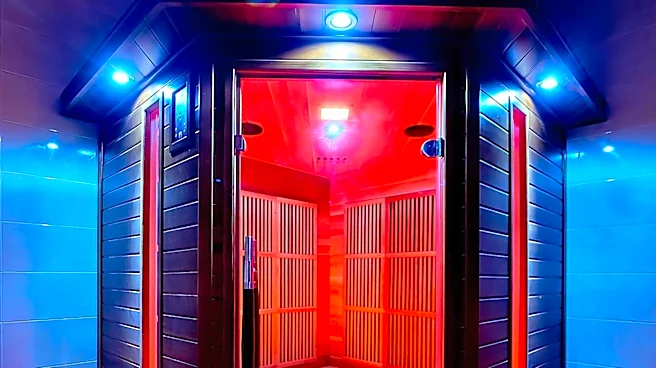
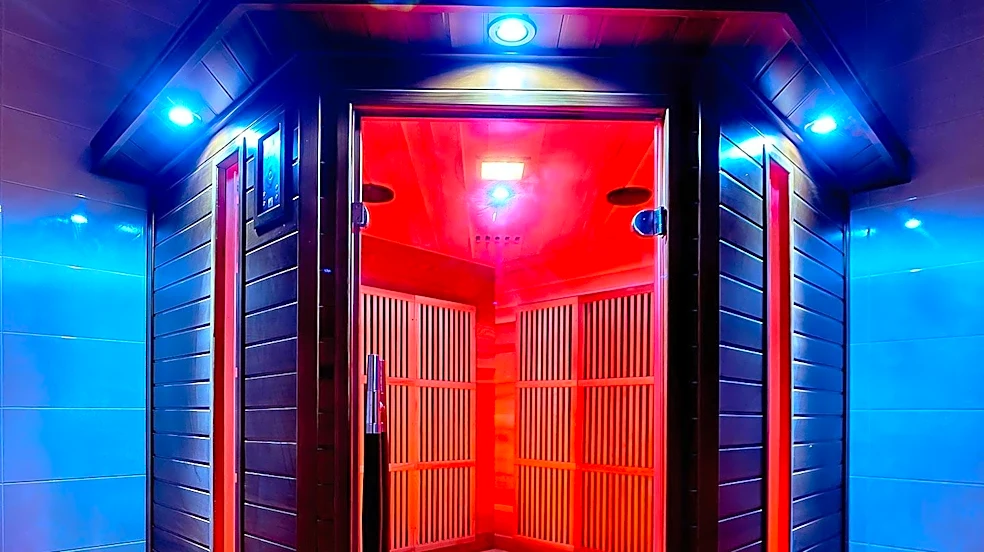
Infrared saunas, like other electrical appliances, produce electric and magnetic fields (EMF) due to their heaters and wiring. Manufacturers use terms such as "low EMF," "ultra-low EMF," and "near-zero EMF" to describe the levels of these fields at the seat,
typically measured in milligauss (mG). While health agencies, including the World Health Organization, state that current evidence does not confirm adverse health effects from low-level EMF exposure, some consumers prefer models with published low readings. EMF is distinct from the infrared light that provides heat; infrared is non-ionizing and felt as warmth, unlike X-rays or UV radiation. Electric fields originate from voltage in wiring and are reduced by shielded cables, while magnetic fields come from current flowing through heaters and wiring. The strength of these fields can vary based on distance from panels, measurement location, the meter used, nearby electronics, and heater design.
Why It's Important?
The discussion around EMF in infrared saunas is important for consumer awareness and product transparency within the wellness industry. While health agencies currently indicate no confirmed health consequences from low-level EMF exposure, the market's response with "low EMF" product labeling reflects a consumer demand for reassurance and perceived safety. This situation highlights a gap between scientific consensus and consumer perception, which can influence purchasing decisions and market trends. For manufacturers, it creates pressure to not only meet safety standards but also to address consumer concerns, even if those concerns are not fully substantiated by current scientific evidence. This dynamic can drive innovation in product design, such as improved shielding and wiring, to minimize EMF emissions. Ultimately, it underscores the ongoing need for clear communication from both health authorities and manufacturers to help consumers make informed choices about wellness products.
What's Next?
In the future, the conversation around EMF in infrared saunas will likely continue to evolve, driven by ongoing research and consumer demand. Manufacturers may increasingly adopt standardized testing and transparent reporting of EMF levels to build consumer trust. There could be a push for clearer, more regulated definitions for terms like "low EMF" to prevent misleading marketing. Consumers are likely to remain vigilant, seeking out products that offer the lowest possible EMF readings, even in the absence of definitive health warnings. This could lead to further advancements in infrared sauna technology, focusing on designs that inherently minimize EMF generation. Additionally, as the wellness industry expands, regulatory bodies might consider developing more specific guidelines or certifications related to EMF emissions in consumer-grade heating appliances, ensuring a consistent standard across the market.
Beyond the Headlines
Beyond the immediate concerns about EMF, this issue reflects a broader societal trend of heightened awareness and sometimes anxiety regarding invisible environmental factors. The focus on EMF in infrared saunas is part of a larger public discourse on electromagnetic radiation from various sources, including cell phones and Wi-Fi. This phenomenon highlights how scientific uncertainty, even when leaning towards safety, can be interpreted differently by the public, leading to market-driven solutions like "low EMF" products. It also underscores the challenge for health authorities to effectively communicate complex scientific information to a diverse audience. The ongoing debate encourages a deeper look into how perceived risks, rather than just proven risks, can shape consumer behavior and industry practices, pushing companies to innovate not only for safety but also for peace of mind.