






What's Happening?
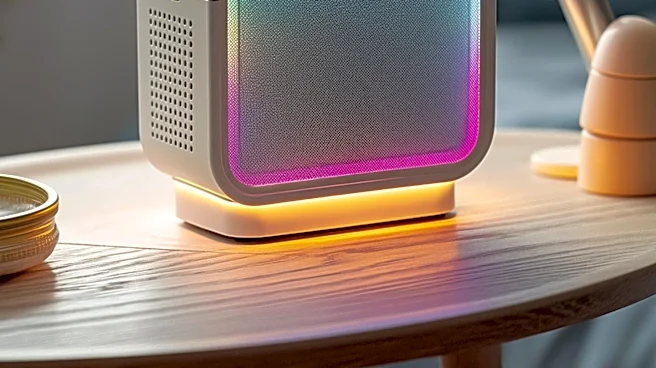
Thera Home, as part of Tokyu Retreat, has introduced a Circadian Lighting system in its therapeutic apartments. This system is designed to synchronize the body's biological clock with the natural solar cycle, addressing the misalignment often caused by
modern indoor lighting practices. The initiative stems from the understanding that humans spend approximately 90% of their time indoors, where artificial light can disrupt the body's natural rhythms. The system automatically adjusts the spectrum, color temperature (CCT), and light intensity in real-time, mimicking the sun's movement from sunrise to sunset. This technology aims to optimize light exposure throughout the day to support natural physiological phases, such as stimulating cortisol production in the morning for wakefulness and reducing blue light in the evening to promote melatonin production for sleep. The underlying science of circadian rhythms was recognized with the Nobel Prize in Physiology or Medicine in 2017.
Why It's Important?
The implementation of Circadian Lighting at Thera Home signifies a growing recognition of light's profound impact on human health and well-being, moving beyond mere illumination to a therapeutic approach. Modern lifestyles, characterized by prolonged exposure to artificial light and screen time, often disrupt the body's natural circadian rhythms, leading to various health issues. Medical studies have shown that evening exposure to fixed artificial light, particularly blue light, can inhibit melatonin production by up to 50%, shifting the circadian rhythm by approximately 1.5 hours. By actively managing light exposure, this system aims to mitigate these negative effects, potentially improving sleep quality, reducing stress, and enhancing overall health. This approach could set a new standard for wellness architecture and residential design, emphasizing health-centric living environments.
What's Next?
The integration of Circadian Lighting at Thera Home is part of a broader comprehensive amenities system that includes features like private Onsen hot springs. The combination of phototherapy and hydro-thermal-mineral therapy is expected to create a synergistic effect, potentially reducing stress hormone (cortisol) levels and extending deep sleep cycles. This development suggests a future trend where residential and commercial spaces increasingly incorporate advanced lighting technologies to support human health. Other developers and wellness-focused companies may follow suit, leading to wider adoption of circadian-aligned lighting solutions. Further research and user feedback from residents at Thera Home will likely provide valuable insights into the long-term benefits and effectiveness of such integrated wellness systems.
Beyond the Headlines
The shift from 'space lighting' to 'body care' represents a significant paradigm change in how built environments are designed and utilized. This initiative highlights the ethical responsibility of architects and developers to create spaces that not only serve functional needs but also actively promote the health and well-being of occupants. The emphasis on synchronizing human biology with natural cycles through technology underscores a deeper cultural movement towards holistic health and preventative care. This approach could also influence public policy regarding building codes and health standards, potentially leading to regulations that encourage or mandate circadian-friendly lighting in various settings, from homes to workplaces and educational institutions. The long-term implications could include a healthier, more productive society with reduced reliance on pharmaceutical interventions for sleep and mood disorders.