







What's Happening?
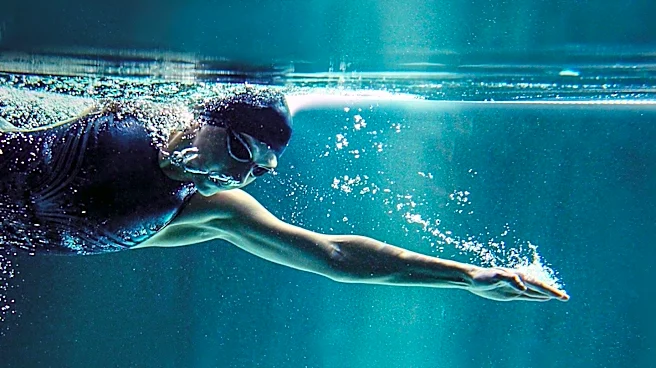
Alisa Ozhogina, a Spanish Olympic bronze medalist, has accused the Russian artistic swimming team of copying Spain's routine at the 2026 European Aquatics Championships. The Russian team, competing as 'Neutral Team B', won the women's team free title,
surpassing Spain. Ozhogina, who has a Russian and Spanish background, expressed her disappointment on Instagram, alleging that the Russian team incorporated a hybrid element from Spain's routine, choreographed by Andrea Fuentes. This element reportedly contributed to Russia's victory, sparking controversy over the originality and fairness of the competition. Despite the allegations, the Russian team has not publicly responded.
Why It's Important?
This controversy highlights ongoing tensions in international sports regarding originality and fair play. Accusations of routine copying can undermine the integrity of competitions and affect the reputation of the involved teams. For Spain, the incident is a matter of national pride and recognition of their innovative contributions to the sport. The situation also raises questions about the enforcement of intellectual property rights in sports choreography, which could lead to calls for clearer regulations and protections. The outcome of this dispute may influence future artistic swimming competitions and the relationship between competing nations.
What's Next?
The Spanish team may seek formal action or clarification from governing bodies to address the allegations. This could involve appeals or requests for rule changes to prevent similar incidents. The controversy may also prompt discussions within the artistic swimming community about the need for stricter guidelines on routine originality. As the Russian team has not yet responded, their reaction could further impact the situation, potentially leading to diplomatic discussions between the involved countries. The resolution of this issue will be closely watched by the international sports community.