




What's Happening?
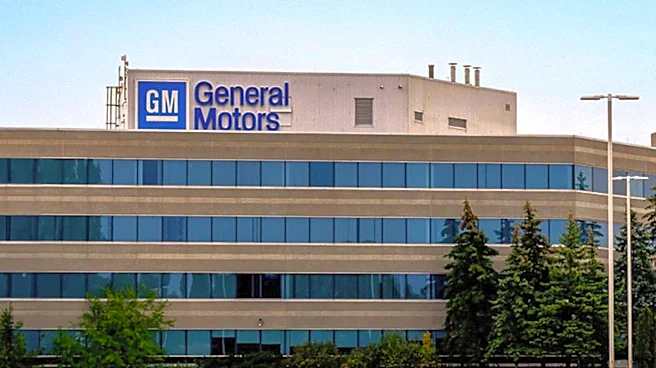
General Motors' board of directors is evaluating global product chief Sterling Anderson as a leading candidate to succeed current CEO Mary Barra. This consideration signals a strategic shift within the automaker towards prioritizing expertise in software
and autonomous driving. The board is deliberating the timing of a leadership transition as Barra approaches her 65th birthday, with options including her continued tenure or a move to an executive chair role. Anderson, a former Tesla Autopilot lead, joined GM with a compensation package exceeding $40 million and has since focused on reducing vehicle development cycles and advancing autonomous initiatives, including a planned 2028 hands-free Cadillac launch. His technical background in artificial intelligence and vehicle software aligns with the board's vision for the industry's future.
Why It's Important?
This potential leadership change at General Motors underscores a significant industry-wide pivot towards software-defined vehicles and autonomous technology. The board's emphasis on technical expertise over traditional financial acumen for the CEO role highlights the increasing importance of AI and software in the automotive sector. If Anderson, with his background in autonomous driving, assumes leadership, it could accelerate GM's transformation into a technology-driven company, potentially setting a new precedent for leadership profiles in legacy manufacturing. This shift could impact the competitive landscape, influencing other automakers to prioritize similar skill sets in their executive teams. The move also suggests that the future of automotive profitability and innovation will heavily rely on advancements in software and AI, rather than solely on traditional manufacturing efficiencies.
What's Next?
The General Motors board is actively assessing whether Sterling Anderson, despite his technical prowess, is prepared to lead a large-scale manufacturer after less than 18 months with the company. Concurrently, the board has engaged executive search firm Heidrick & Struggles to evaluate external candidates. Chief Financial Officer Paul Jacobson is also considered a viable internal option, particularly given his favorable standing with Wall Street due to his role in significant share buybacks. The decision will likely hinge on balancing the need for a leader with a strong vision for software and autonomous driving against the experience required to manage a complex global enterprise. The outcome will determine the strategic direction of GM in the coming years and could influence its market position in the rapidly evolving automotive industry.
Beyond the Headlines
The potential elevation of Sterling Anderson to CEO at General Motors reflects a broader industry trend where technology and software are becoming central to product development and corporate strategy, even in traditional manufacturing sectors. This shift raises questions about the evolving definition of leadership in large corporations, where specialized technical knowledge might increasingly outweigh general management experience. The substantial compensation package offered to Anderson upon his arrival also indicates the high value placed on specific tech expertise in the current market. This development could signal a long-term cultural transformation within GM, moving from a hardware-centric engineering culture to one that deeply integrates software and AI at its core, potentially influencing talent acquisition and organizational structures across the automotive industry.