







What's Happening?
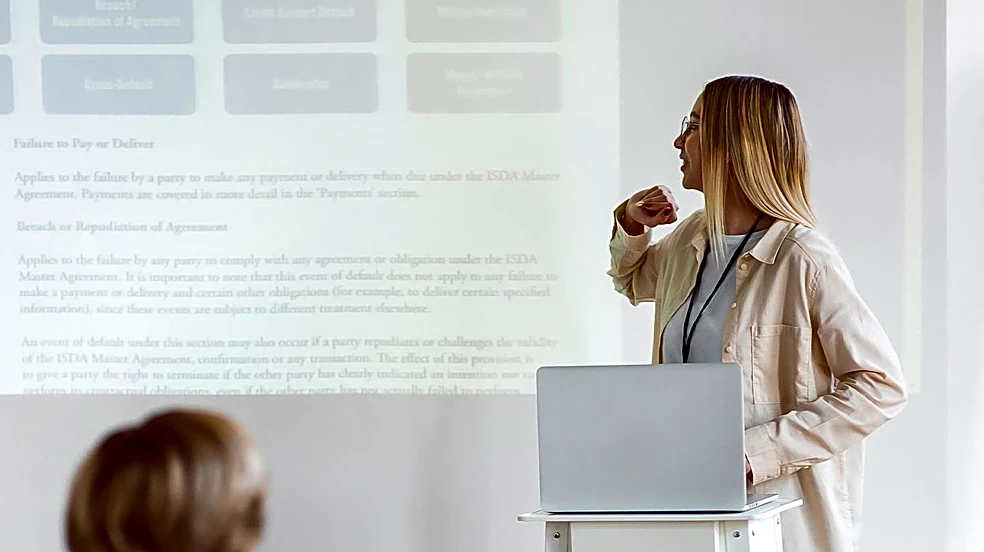
Minimalism in business presentations is gaining traction, focusing on clarity and essential details to streamline decision-making. This approach aims to remove distractions without sacrificing the necessary evidence required for a defensible recommendation.
A business minimalist presentation prioritizes the decision to be made, available options, and the consequences of waiting, presenting this information upfront. It advocates for a sensible hierarchy of information rather than arbitrary word limits, ensuring that key decisions are easy to locate. For instance, budget approvals connect spending to defined outcomes, distinguishing one-off costs from recurring commitments. Project checkpoints use this method to show milestone progress, pending decisions, and ownership of next actions. The goal is to make the meeting's purpose clear and keep the audience focused on the core request, rather than having them discover it at the end of the presentation. This style is particularly useful when a meeting requires a specific answer rather than a broad overview.
Why It's Important?
The adoption of minimalist presentations in business is important because it addresses a common challenge in corporate communication: information overload and inefficient decision-making. By focusing on clarity and essential details, this approach can significantly improve the effectiveness of meetings and strategic discussions. For U.S. industries, this means potentially faster and more informed decision cycles, leading to increased productivity and agility. Companies can benefit from clearer internal communication, better alignment among teams, and more efficient resource allocation. When presenting to stakeholders or for budget approvals, a minimalist approach ensures that the core message and desired outcome are immediately apparent, reducing ambiguity and facilitating quicker consensus. This shift can also empower employees by providing them with concise, actionable information, fostering a culture of efficiency and directness in corporate environments. Ultimately, it can lead to better strategic execution and competitive advantage in a fast-paced business landscape.
What's Next?
As businesses increasingly recognize the value of efficiency and clarity, the minimalist presentation style is likely to become a standard practice across various sectors. We can expect to see more training and resources dedicated to teaching professionals how to craft such presentations effectively. Software developers may also integrate features into presentation tools that encourage or facilitate minimalist design principles, such as templates that prioritize key takeaways and limit text. Furthermore, the emphasis on data visualization that is both concise and informative will grow, pushing for innovative ways to convey complex information simply. Companies might also start evaluating the success of their meetings not just by attendance, but by the speed and quality of decisions made, thereby reinforcing the adoption of minimalist communication strategies. This trend could also influence academic and educational settings, where students are taught to communicate ideas with greater precision and less extraneous detail.
Beyond the Headlines
The shift towards minimalist business presentations reflects a broader cultural and psychological trend towards valuing clarity and efficiency in an increasingly complex world. Beyond its immediate business applications, this approach has ethical implications, as it promotes transparency and reduces the potential for obfuscation or manipulation through excessive detail. By forcing presenters to distill their message to its essence, it encourages a more honest and direct form of communication. This can foster greater trust within organizations and among stakeholders. Culturally, it aligns with a growing appreciation for simplicity and intentionality, moving away from the 'more is better' mentality. In the long term, this could lead to a more discerning audience that expects and demands clear, concise information, influencing not only business communication but also public discourse and media consumption. The emphasis on 'substance over fluff' could reshape how information is valued and exchanged in various aspects of society.