



What's Happening?
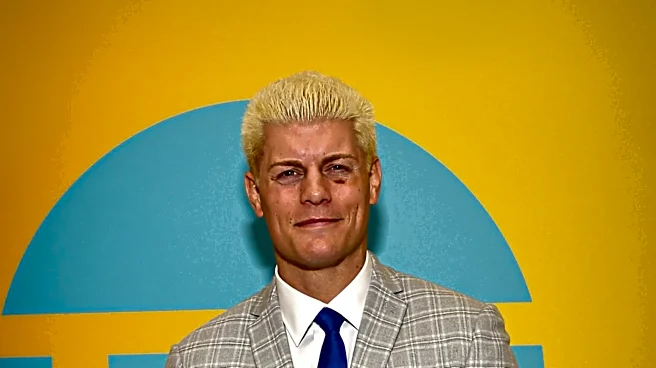
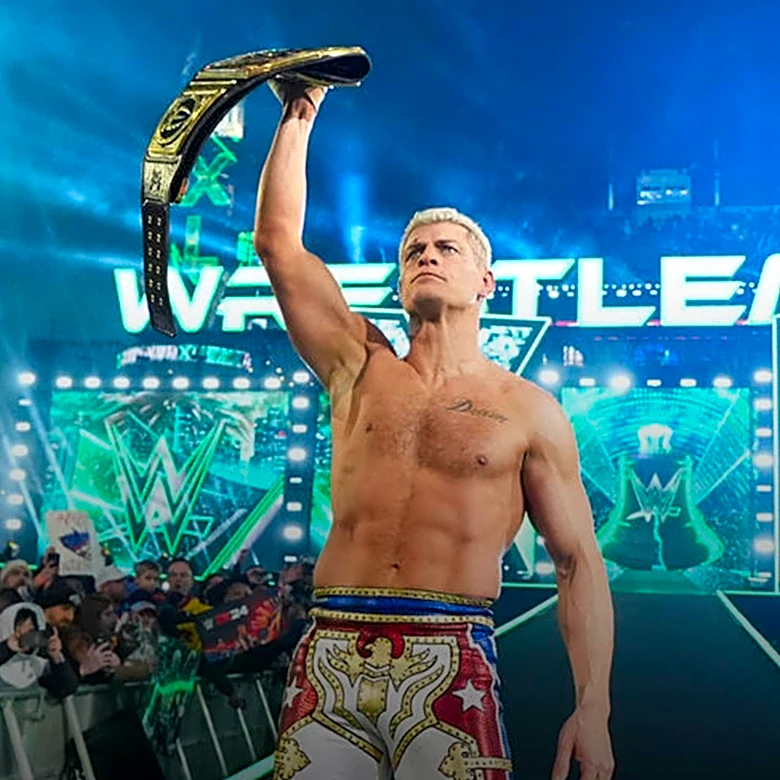
Eric Bischoff, a prominent figure in professional wrestling, has voiced strong criticism regarding WWE's decision to feature Roman Reigns and Cody Rhodes in activities at Fanatics Fest that he believes diminished their larger-than-life personas. During
the '83 Weeks' podcast, Bischoff discussed how having Reigns attempt three-point shots and Rhodes try to kick field goals made them appear ordinary. He argued that such activities, while potentially generating content for the event, risked undermining the carefully cultivated images of these top WWE stars. Bischoff questioned the benefit of these actions, suggesting they created 'little dings and dents' in the characters that were entirely unnecessary. He contrasted this approach with Vince McMahon's past understanding of creating and protecting the perception of superhuman characters like Hulk Hogan and Steve Austin, who would not have been placed in situations where failure could damage their mystique.
Why It's Important?
This critique highlights a fundamental tension in modern professional wrestling between maintaining the illusion of larger-than-life characters and engaging with broader promotional opportunities. Bischoff's perspective underscores the importance of character protection in wrestling, where the perceived invincibility and unique abilities of stars are crucial for fan engagement and storyline credibility. Undermining these perceptions, even in seemingly innocuous promotional events, could lead to a decrease in the stars' appeal and, consequently, impact WWE's overall brand value. For WWE, the balance between satisfying business partners like Fanatics and preserving the integrity of its top talent's image is critical. If fans begin to see their heroes as ordinary, it could dilute the emotional investment in their matches and rivalries, potentially affecting viewership and merchandise sales. This situation also raises questions about the decision-making process within WWE regarding external promotional activities and whether marketing objectives are sometimes prioritized over long-term character development and fan perception.
What's Next?
The immediate impact of Bischoff's comments may prompt internal discussions within WWE regarding future promotional strategies and how their top talent is presented in non-wrestling contexts. While there's no indication of immediate policy changes, the critique from a respected industry veteran could influence how WWE approaches similar events in the future. Stakeholders, including other wrestling personalities, fans, and potentially even the featured stars themselves, might weigh in on this debate, further shaping public opinion. WWE will likely continue to seek opportunities for cross-promotion and brand partnerships, but they may need to re-evaluate the types of activities their top stars participate in to ensure these engagements align with their established personas. The long-term consequence could be a more cautious approach to external appearances, with a greater emphasis on activities that enhance, rather than detract from, the 'larger-than-life' image of their performers.
Beyond the Headlines
Beyond the immediate concerns of star power, this incident touches upon the evolving nature of celebrity and public perception in the digital age. In an era where every moment can be captured and shared, maintaining an aura of mystique around public figures, especially those in performance-based industries like professional wrestling, becomes increasingly challenging. The traditional wrestling model relied heavily on creating an almost mythical status for its performers, a concept that Bischoff champions. However, modern marketing often pushes for relatability and accessibility, which can conflict with this traditional approach. This situation forces a re-examination of what fans truly value: the untouchable hero or the relatable personality. The outcome of this internal debate within WWE and the broader wrestling industry could set a precedent for how sports and entertainment organizations manage their talent's public image in an increasingly transparent world, balancing commercial opportunities with the preservation of artistic and character integrity.