
What's Happening?
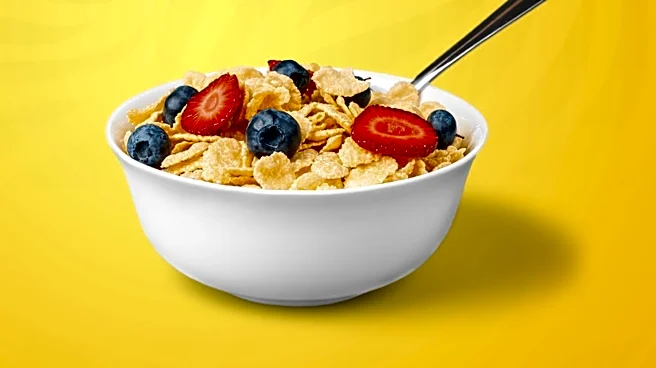
Food manufacturers and retailers are increasingly removing artificial food dyes from their products in response to consumer demand for simpler ingredient lists. This shift affects a wide range of grocery items, including cereals, drinks, and snacks. Companies
like Kraft Heinz and General Mills are reformulating products to eliminate certified synthetic colors. Retailers such as Target and Sam's Club have set new standards for products sold in their stores, requiring the removal of artificial dyes. The changes are part of a broader trend driven by heightened scrutiny of food additives and initiatives like Health and Human Services Secretary Robert F. Kennedy Jr.'s 'Make America Healthy Again' agenda.
Why It's Important?
The removal of artificial food dyes reflects a significant shift in consumer preferences towards transparency and health-conscious choices. This trend could lead to broader changes in the food industry, as companies adapt to meet consumer expectations. While the removal of synthetic dyes may appeal to health-conscious shoppers, it also presents challenges, such as potential increases in product costs due to the use of alternative natural colorants. The reformulation of products could impact the appearance and pricing of groceries, influencing consumer purchasing decisions and potentially reshaping market dynamics.
What's Next?
As the transition away from artificial dyes continues, consumers can expect to see changes in product packaging and labeling. Companies will likely increase efforts to educate consumers about the benefits of reformulated products through marketing and in-store promotions. The industry may face supply chain challenges in sourcing natural colorants, which could affect product availability and pricing. Ongoing consumer feedback will be crucial in determining the success of these changes and guiding future product development.