



What's Happening?
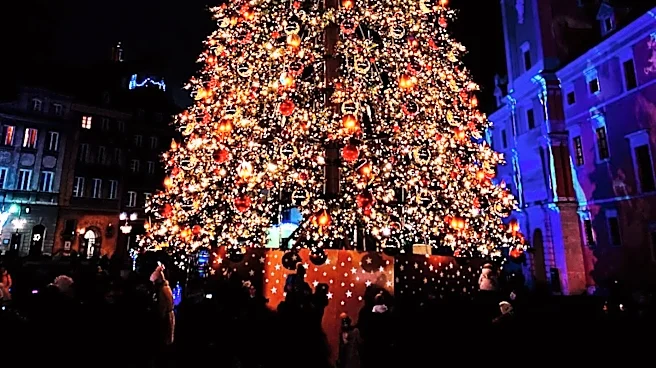
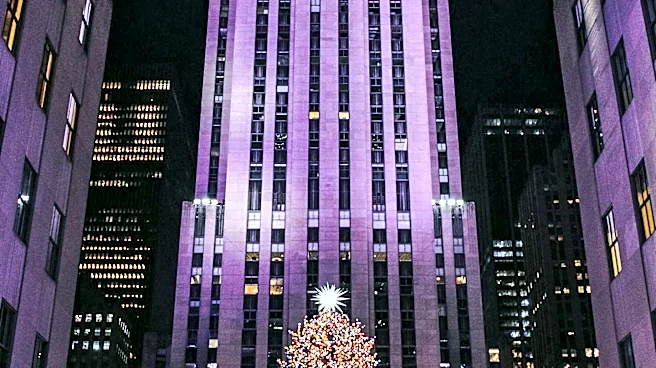
The iconic Rockefeller Center Christmas tree is scheduled to be lit during a ceremony on December 2, 2026. This year's tree will be adorned with over 50,000 multicolored LED lights and topped with a 900-pound Swarovski star. The tradition of a Christmas tree at
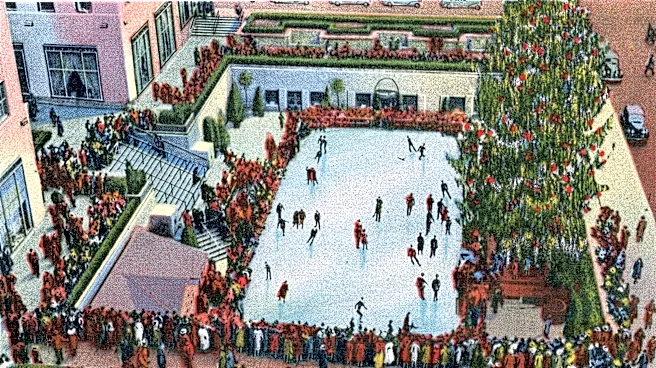
Rockefeller Center dates back to 1931, when construction crews first put up a small tree. The first official lighting ceremony took place in 1933, establishing a long-standing holiday custom in New York City. Following its display period, which concludes on January 9, the tree will be milled into lumber and donated to Habitat for Humanity, a housing nonprofit. Other notable tree lightings in New York City include the Bryant Park Winter Village tree lighting on December 1, featuring Olympic figure skaters and fireworks, and the Washington Square Park tree lighting on December 8, marking its 103rd annual celebration.
Why It's Important?
The annual Rockefeller Center Christmas tree lighting is a significant cultural event that draws millions of visitors and viewers, marking the unofficial start of the holiday season in New York City and across the nation. It serves as a major tourist attraction, boosting local businesses, hospitality, and retail sectors during the holiday period. The event also carries symbolic weight, representing continuity and tradition, especially in a city known for its dynamic and ever-changing landscape. The subsequent donation of the tree to Habitat for Humanity highlights a commitment to sustainability and community support, transforming a temporary festive display into a lasting contribution to affordable housing initiatives. This blend of tradition, economic impact, and social responsibility underscores the event's broader importance beyond mere holiday spectacle.
What's Next?
Following the December 2 lighting ceremony, the Rockefeller Center Christmas tree will remain on display for public viewing until January 9, 2027. During this period, millions are expected to visit the site, contributing to significant foot traffic and economic activity in Midtown Manhattan. Security measures will likely be heightened around the area to manage crowds and ensure public safety. After its removal, the tree will undergo processing to be converted into lumber for Habitat for Humanity, continuing a tradition of repurposing the tree for charitable causes. Other major New York City tree lightings, such as those in Bryant Park and Washington Square Park, will also proceed as scheduled, contributing to a city-wide festive atmosphere throughout December.
Beyond the Headlines
The Rockefeller Center Christmas tree lighting transcends a simple holiday event, embodying a complex interplay of commercialism, tradition, and community spirit. Its enduring popularity reflects a societal need for shared cultural experiences and symbols of continuity, particularly in an increasingly fragmented world. The event's commercial success, driven by tourism and media attention, underscores the economic power of cultural traditions. Furthermore, the tree's post-display donation to Habitat for Humanity highlights a growing trend of integrating social responsibility into large-scale public events, demonstrating how temporary spectacles can yield lasting community benefits. This practice subtly reinforces values of sustainability and philanthropy, embedding them within a widely celebrated cultural ritual.