






What's Happening?
A new systematic review and meta-analysis published in BMC Public Health has examined the effects of 'forest therapy' on mental stress, depressive symptoms, and anxiety. The study analyzed 25 controlled studies with 1,876 participants, finding that structured
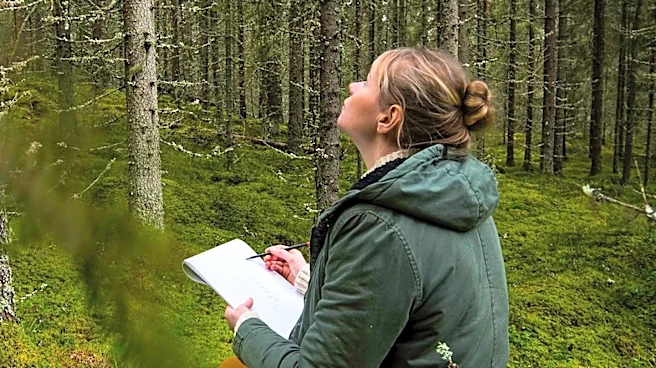
time in a forest environment significantly decreased stress, anxiety, and depression metrics in the short term. Forest therapy, known as Shinrin-yoku in Japan, involves deliberate exposure to a forested environment, including slow walking and listening to nature sounds. The study suggests that the natural environment supports the parasympathetic nervous system, promoting relaxation and recovery.
Why It's Important?
The findings underscore the potential of natural environments in mental health treatment, offering a complementary approach to traditional therapies. This could influence public health policies by integrating nature-based interventions into mental health programs. The study highlights the importance of environmental factors in mental well-being, suggesting that regular exposure to nature could be a simple, accessible tool for stress reduction. This approach could benefit individuals experiencing stress, anxiety, or depression, potentially reducing reliance on medication and traditional therapy.
What's Next?
Further research is needed to determine the long-term effects of forest therapy and the optimal 'dose' of nature exposure. Future studies could incorporate objective metrics like heart rate and cortisol levels to validate findings. Policymakers and healthcare providers might consider incorporating forest therapy into mental health strategies, especially in urban areas where access to nature is limited. This could lead to the development of urban green spaces designed for therapeutic purposes.