





What's Happening?
Studio apartment design is increasingly focused on maximizing limited space through strategic furniture choices and layout techniques. Key recommendations include using flexible beds like Murphy beds or daybeds, and wall-mounted desks that can double
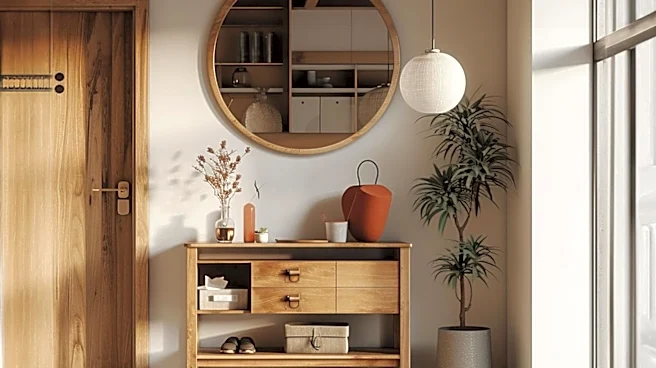
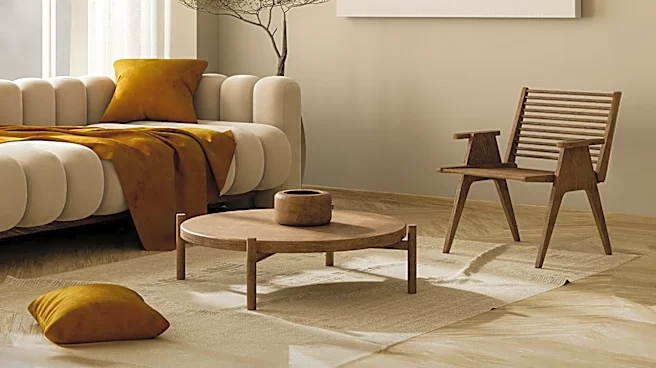
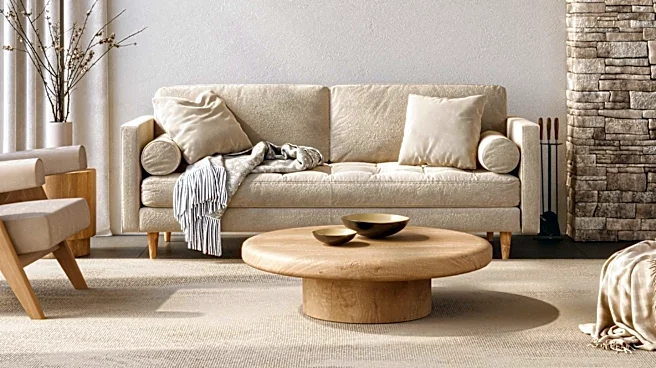
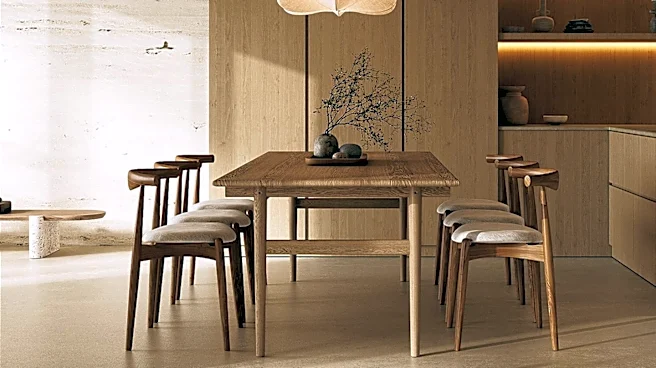
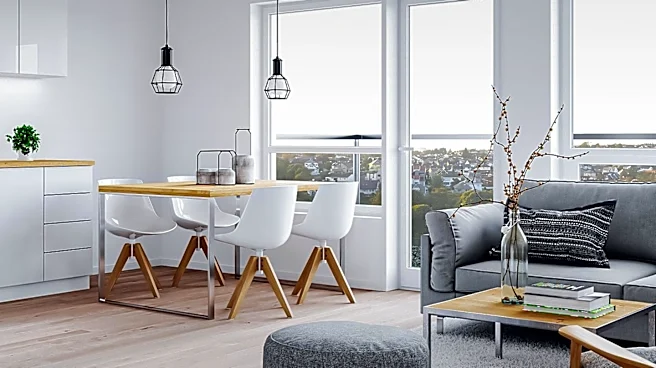
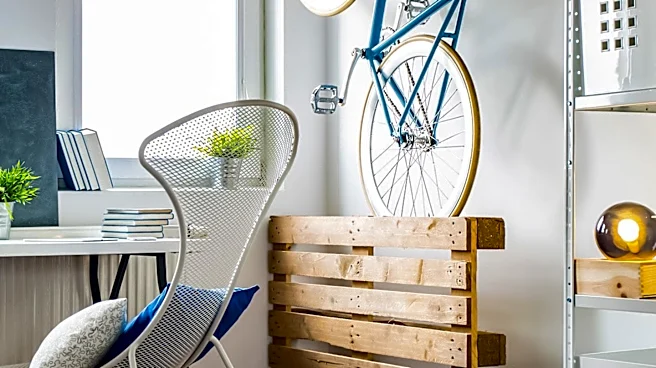
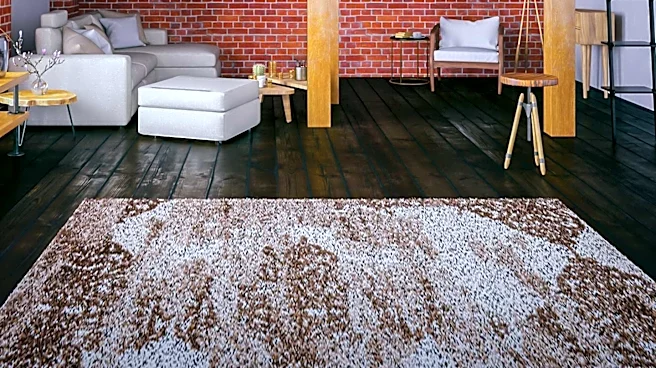
as dining tables. Drop-leaf or wall-mounted tables are highlighted as significant space-savers. To enhance the perception of space, wall-mounted lighting is suggested to free up surface areas. Zoning, achieved with rugs rather than physical walls, offers a cost-effective and space-efficient method for dividing areas. Open shelves are also recommended for partitioning spaces while allowing light to pass through. The emphasis is on multi-purpose furniture, such as storage ottomans or beds with integrated storage, to reduce the total number of items needed. Maintaining clear walkways is crucial for an organized appearance, and a consistent color palette helps connect different areas within the apartment. Placing the bed in a corner can define a sleeping zone and create more open space in the main living area. Curtains are also noted as a budget-friendly alternative to built-in wardrobes.
Why It's Important?
The growing emphasis on efficient studio apartment design reflects a broader trend in urban living, where smaller living spaces are becoming more common due to factors like increasing population density and housing costs in U.S. cities. This shift impacts the furniture and interior design industries, driving demand for innovative, space-saving, and multi-functional products. For consumers, these design strategies offer practical solutions to enhance comfort and utility in compact environments, potentially improving quality of life in urban settings. The focus on cost-effective solutions like using rugs for zoning or curtains instead of built-in wardrobes also makes well-designed living spaces more accessible to a wider range of income levels. This trend encourages manufacturers and designers to innovate in areas such as modular furniture, convertible pieces, and smart storage solutions, influencing product development and market offerings in the home goods sector. Ultimately, these design principles contribute to more sustainable living by optimizing existing spaces rather than requiring larger footprints.
What's Next?
The market for space-saving and multi-functional furniture is expected to continue its growth trajectory, with projections indicating significant expansion in the coming years. This will likely lead to further innovation in product design, with manufacturers introducing more sophisticated and aesthetically pleasing solutions for compact living. We can anticipate an increase in smart home technologies integrated into furniture, such as beds with built-in charging stations or tables with adjustable heights and embedded controls. Retailers will likely expand their offerings of apartment-sized furniture and provide more tailored design services for small spaces. Additionally, there may be a greater focus on sustainable materials and production methods for these products, aligning with broader environmental concerns. Educational resources and design guides for consumers on optimizing small spaces will also likely become more prevalent, empowering individuals to create functional and comfortable homes regardless of size. The continued urbanization trend in the U.S. will sustain the demand for these innovative design approaches.
Beyond the Headlines
The evolution of studio apartment design extends beyond mere aesthetics and functionality; it reflects a cultural adaptation to changing living conditions and priorities. The emphasis on minimalism and multi-purpose items can foster a more intentional approach to consumption, encouraging individuals to invest in fewer, higher-quality pieces that serve multiple roles. This shift can also influence psychological well-being, as a well-organized and uncluttered small space can reduce stress and enhance a sense of control over one's environment. Furthermore, the creative solutions developed for studio apartments often inspire design innovations for larger homes, demonstrating how constraints can drive ingenuity. The increasing popularity of these design principles also highlights a growing appreciation for efficient resource utilization and a move away from the traditional American ideal of expansive living spaces. This could lead to a broader societal re-evaluation of what constitutes a 'comfortable' or 'desirable' home, potentially influencing future urban planning and architectural trends.