



What's Happening?
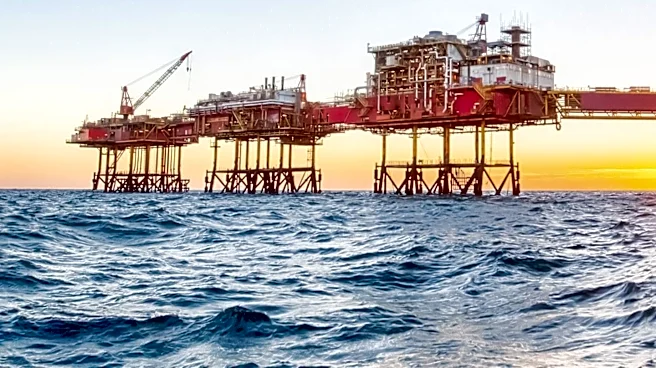
Palmer Luckey, the entrepreneur known for Oculus and Anduril, has unveiled plans for a large-scale offshore platform named SLAB. This platform is designed to host various industrial operations, including oil refineries, metal processing plants, and desalination
facilities. Luckey's stated objective for SLAB is to offer a more cost-effective alternative to land-based industrial development and to circumvent what he describes as restrictive American state and local laws that he believes hinder critical U.S. industries. The project, which originated in 2014, secured initial funding at a reported $1 billion valuation in 2017, with additional, undisclosed funding recently added. SLAB aims to provide a long-term solution for industrial capacity, potentially operating for 1,000 years, and differs from typical seasteading proposals by focusing primarily on industrial production rather than sovereign territories. The exact construction schedule, installation location, or detailed engineering specifications for SLAB have not yet been publicly confirmed.
Why It's Important?
The development of SLAB could significantly impact U.S. industrial sectors by offering a new model for manufacturing and processing that operates outside traditional regulatory frameworks. By potentially reducing costs associated with land acquisition and avoiding certain state and local regulations, industries like metal processing, medical research, desalination, oil refining, and chemical engineering could find new avenues for expansion and efficiency. This initiative could attract companies seeking to reduce operational overheads and accelerate project timelines often slowed by complex permitting processes. However, it also raises questions about environmental oversight and labor standards, as operating outside established U.S. jurisdictions could lead to different regulatory environments. The project's success could set a precedent for future offshore industrial developments, potentially shifting parts of the U.S. industrial landscape to international waters or areas with less stringent oversight, impacting domestic job markets and regulatory enforcement.
What's Next?
SLAB remains under development, with key details such as its construction schedule, precise installation location, and comprehensive engineering specifications yet to be publicly disclosed. Future steps will likely involve securing further investment, finalizing design and construction plans, and navigating the complex legal and international maritime frameworks required for such an ambitious offshore project. The project's proponents will need to address concerns regarding environmental impact, safety protocols, and the legal jurisdiction under which SLAB will operate, especially if it aims to be within three miles of the American coastline to avoid U.S. jurisdiction. The reactions from U.S. regulatory bodies, environmental groups, and competing industries will be crucial in shaping the project's trajectory and its potential influence on future industrial policy and offshore development.
Beyond the Headlines
SLAB's proposal to operate outside U.S. state and local laws highlights a growing tension between industrial development and regulatory environments. This initiative could spark broader discussions about the balance between economic growth, environmental protection, and governmental oversight. The concept of creating industrial zones in international waters to bypass national regulations raises ethical questions about corporate accountability and the potential for regulatory arbitrage. It could also lead to a re-evaluation of existing U.S. industrial policies and environmental regulations, prompting debates on whether current frameworks are indeed 'crippling' critical industries or are necessary safeguards. The long-term implications could include a shift in how industrial infrastructure is conceptualized and located, potentially leading to new legal precedents for offshore operations and international cooperation on environmental and labor standards.