







What's Happening?
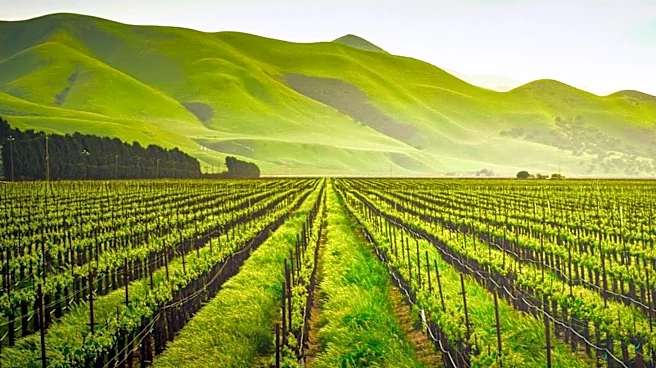
The Napa Valley Grapegrowers recently hosted an event focusing on Regenerative Organic Certification (ROC) and sustainable farming practices. Steve Matthiasson of Matthiasson Wines and Jason Haas, general manager of Tablas Creek Vineyard, shared their
experiences and insights on farming under ROC standards. The discussion covered topics such as cover crops, farming costs, drought, climate change, and the concept of 'regenerative' agriculture. ROC, established in 2019 by the Regenerative Organic Alliance (ROA), requires organic certification as a baseline and focuses on soil health, animal welfare, and worker fairness. Tablas Creek became the world's first regenerative organic certified vineyard in 2020, and there are now 28 such vineyards in the U.S. The event highlighted the evolution from sustainable to organic and now to regenerative organic farming, emphasizing a more holistic approach with modern understanding. Paul Dolan, founder of Bonterra, was instrumental in developing wine grape growing standards for ROC.
Why It's Important?
The increasing adoption of Regenerative Organic Certification in U.S. vineyards signifies a significant shift in agricultural practices within the wine industry. This movement is driven by consumer demand, particularly from millennials, who prioritize purchasing products aligned with their values, including environmental sustainability and ethical labor practices. For the U.S. wine industry, embracing ROC can enhance brand reputation, attract a growing segment of conscious consumers, and potentially lead to more resilient and sustainable agricultural systems. The focus on soil health, water conservation, and reduced carbon footprint addresses critical environmental challenges, offering long-term benefits for land stewardship and climate change mitigation. Furthermore, the emphasis on social equity and worker fairness within ROC standards could improve labor conditions and foster a more ethical supply chain, setting a precedent for other agricultural sectors.
What's Next?
The Regenerative Organic Certification movement is expected to continue evolving and expanding within the U.S. wine industry and potentially other agricultural sectors. As more vineyards pursue ROC, there will likely be ongoing efforts to streamline the certification process and address challenges, particularly concerning farm labor contractors and the integration of their practices into ROC standards. The discussion at the Napa Valley Grapegrowers event suggests a continuous learning curve and adaptation as the industry refines its understanding and implementation of regenerative organic principles. Future developments may include increased consumer education on the benefits of ROC, further scientific validation of its environmental impacts, and potential policy discussions around supporting or incentivizing such farming methods. The experiences of pioneering vineyards like Tablas Creek will serve as case studies for others considering the transition.
Beyond the Headlines
The shift towards Regenerative Organic Certification represents a deeper philosophical change in how agriculture views its role in the ecosystem and society. It moves beyond simply avoiding harm (as in traditional organic farming) to actively regenerating and improving natural systems. This holistic approach, encompassing soil health, biodiversity, and social equity, challenges conventional agricultural paradigms that often prioritize yield over ecological balance. The emphasis on worker fairness and integration into decision-making processes also highlights a growing recognition of the human element in sustainable agriculture. This movement could foster a more interconnected and responsible food system, where environmental and social impacts are considered integral to business success. It also underscores the power of consumer demand in driving industry-wide changes towards more ethical and sustainable practices.