
What's Happening?
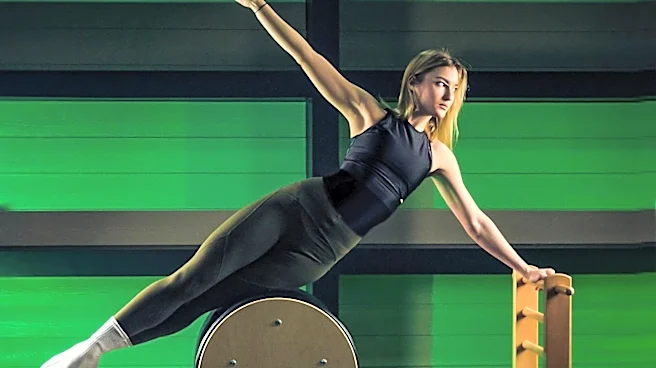
Traditional abdominal exercises often fail to engage the deep transverse muscle, leading to limited results in core strengthening and posture improvement. In contrast, Pilates Reformer machines effectively target this crucial muscle through dynamic stabilization.
However, the high cost of these machines can be a barrier for many. A new approach, inspired by the Pilates Reformer, allows individuals to perform similar exercises at home using only two towels and a smooth floor. This method replicates the gliding motion of the Reformer's carriage, forcing the deep core muscles to stabilize the body during movement. Three specific exercises are highlighted: the plank pike, dynamic plank with alternating foot glides, and leg extensions while lying on the back. These exercises emphasize controlled movements and proper breathing to maximize engagement of the transverse abdominis, offering an accessible alternative to machine-based Pilates.
Why It's Important?
This adaptation of Pilates Reformer exercises holds significant importance for public health and fitness, particularly in the U.S., by democratizing access to effective core strengthening. Many individuals are deterred from Pilates due to the expense of classes or equipment. By demonstrating how to achieve similar benefits with common household items, this method removes financial and logistical barriers, making advanced core training more inclusive. A stronger core, particularly the transverse abdominis, is crucial for improving posture, reducing back pain, and enhancing overall physical stability, which can lead to a decrease in musculoskeletal issues prevalent in sedentary lifestyles. This accessibility could encourage a broader segment of the population to adopt more effective exercise routines, potentially leading to improved national health outcomes and reduced healthcare costs associated with back pain and poor posture. Furthermore, it empowers individuals to maintain fitness routines independently, fostering self-reliance in health management.
What's Next?
The increasing awareness of accessible home-based fitness solutions, like the towel-based Pilates Reformer exercises, is likely to lead to a surge in online tutorials and fitness programs promoting similar adaptations. Fitness instructors and content creators may develop specialized routines and challenges centered around these low-cost, high-impact exercises. We can anticipate a growing trend of individuals integrating these modified Pilates movements into their daily routines, especially as people continue to seek convenient and affordable ways to stay active. This could also influence the design of future home fitness products, potentially leading to the development of more affordable, compact equipment that mimics the Reformer's functionality without its bulk or price tag. Additionally, health and wellness platforms might start incorporating these techniques into their offerings, further solidifying their place in mainstream fitness.
Beyond the Headlines
Beyond the immediate fitness benefits, the popularization of accessible Pilates Reformer exercises reflects a broader cultural shift towards self-sufficiency and resourcefulness in health and wellness. In an era where specialized equipment and exclusive classes often define fitness trends, this approach champions the idea that effective physical training doesn't require significant financial investment. It challenges the notion that high-quality fitness is a luxury, promoting a more egalitarian view of physical well-being. This movement could foster greater creativity in exercise, encouraging individuals to explore and adapt various fitness modalities to their personal circumstances. Ethically, it promotes inclusivity by making advanced fitness techniques available to a wider demographic, potentially narrowing the gap in health disparities that can arise from economic limitations. This emphasis on ingenuity and accessibility could inspire similar innovations across other areas of personal development and self-care.