


What's Happening?
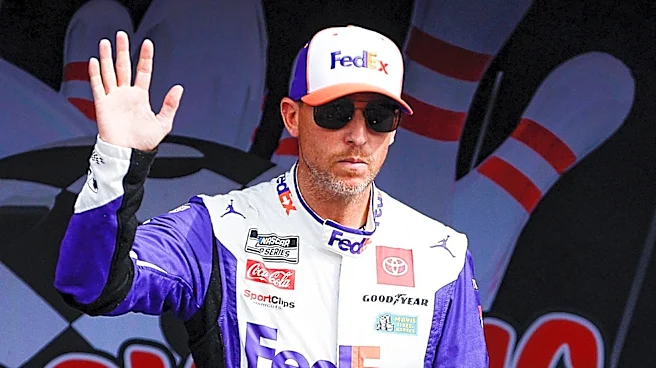
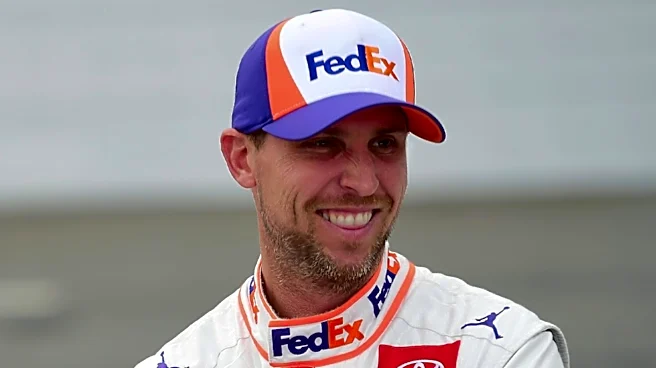
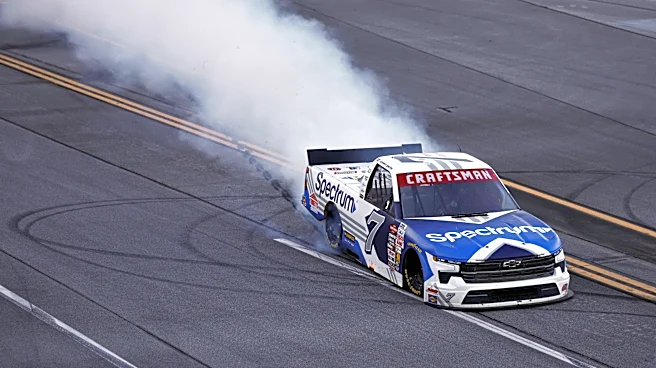
Joe Gibbs Racing driver Denny Hamlin has publicly criticized NASCAR's officiating and communication regarding the double yellow line rulings during the final lap of the YellaWood 500 at Talladega Superspeedway. Hamlin labeled NASCAR's explanation as 'horrible
officiating or horrible comms,' questioning the consistency of rule enforcement. NASCAR stated that race winner Kyle Larson remained on the double yellow line, avoiding a penalty. However, Austin Hill, who went below the line, was not black-flagged because he finished last on the lead lap, implying a penalty would have been issued had his position been better. Furthermore, Ross Chastain and Carson Hocevar were not penalized as officials determined they were forced below the line by Todd Gilliland. Gilliland himself escaped a penalty because officials could not establish intent, a point Hamlin specifically challenged, noting that he had read a summary of NASCAR's explanation rather than listening to the full account.
Why It's Important?
This criticism from a prominent driver like Denny Hamlin highlights ongoing concerns within NASCAR regarding the clarity and consistent application of its rules, particularly in high-stakes situations like the final lap of a major race. Inconsistent officiating can erode fan trust and create a perception of unfairness, potentially impacting the sport's integrity and viewership. For drivers, ambiguous rules can lead to confusion and frustration, affecting their race strategies and potentially influencing championship outcomes. The debate over 'intent' in penalties, as raised by Hamlin, is crucial because it introduces a subjective element into rule enforcement, which can be difficult to apply uniformly. This situation also underscores the challenges NASCAR faces in communicating complex officiating decisions to both competitors and the public effectively, especially when those decisions are perceived as contradictory or lacking transparency.
What's Next?
NASCAR will likely face continued pressure to address the concerns raised by Denny Hamlin and other drivers regarding the double yellow line rule and its enforcement. This could lead to further clarification of the rule, potentially through official statements, driver meetings, or adjustments to how incidents are reviewed. The ongoing public discourse, fueled by drivers' comments and media analysis, may prompt NASCAR to re-evaluate its communication strategies to ensure greater transparency and understanding of its decisions. As the championship battle progresses, any future controversial rulings could intensify scrutiny on NASCAR's officiating, potentially influencing how drivers approach similar situations in upcoming races, particularly at superspeedways where such incidents are more common.
Beyond the Headlines
The controversy surrounding NASCAR's double yellow line rulings at Talladega extends beyond individual race outcomes, touching upon broader issues of governance and fairness in professional sports. The debate over 'intent' versus 'action' in rule violations raises fundamental questions about how sports bodies balance strict adherence to rules with the nuances of on-track incidents. This situation could contribute to a long-term shift in how NASCAR develops and communicates its rulebook, potentially moving towards more objective and less subjective criteria for penalties. The public exchange between a driver and a NASCAR official also highlights the evolving relationship between athletes and governing bodies in the age of social media, where direct challenges and immediate reactions are common, demanding greater accountability and responsiveness from sports organizations.