






What's Happening?
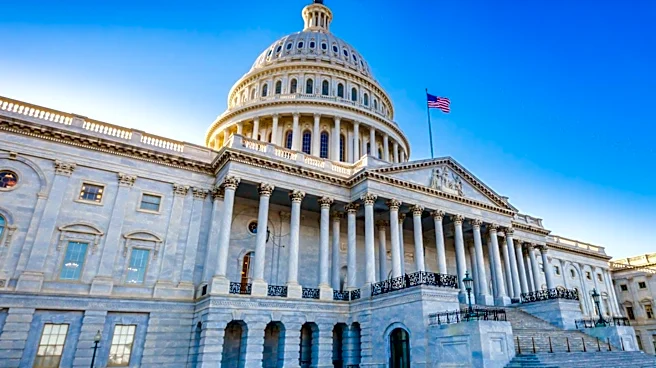
The U.S. produce industry, represented by the International Fresh Produce Association (IFPA), is actively lobbying Congress for reforms to the H-2A agricultural guest worker program. With the current congressional session nearing its end, IFPA members
are meeting with lawmakers in Washington, D.C., to push for the passage of the Securing Agriculture's Workforce Act. This legislation aims to address significant labor shortages that are impacting fruit, vegetable, and floral production across the country. Samantha Ayoub, Director of Workforce & Business Policy at IFPA, highlights that labor shortages are the most critical constraint facing the industry. The average age of farmworkers is increasing, and growers are struggling to attract new employees, with some budgeting annually to replace hiring signs due to a lack of applicants. The H-2A program, while increasingly utilized, is not designed to handle the current scale of labor demand and excludes year-round agricultural operations, such as greenhouses, which stunts the growth of this sector in the U.S. compared to other nations. Additionally, the program imposes substantial costs on employers, adding approximately $10 per hour per worker compared to domestic hires, covering housing, transportation, and application fees.
Why It's Important?
The ongoing agricultural labor shortages and the limitations of the H-2A program pose a significant threat to the U.S. produce industry and, consequently, to domestic food security. The high labor costs, which can account for about 40% of fruit and vegetable production expenses, are forcing growers to make difficult decisions, including reducing acreage, switching crop varieties, or even ceasing production altogether. A survey of tree fruit growers in the Pacific Northwest indicated that labor costs alone could exceed total sales receipts by approximately 10%. This financial pressure contributes to the closure of farms, with over 170,000 farms having shut down across the broader U.S. agricultural sector. The inability of year-round agricultural operations to access the H-2A program also hinders innovation and growth in controlled-environment agriculture. If reforms are not enacted, the U.S. could become increasingly reliant on imported produce, impacting the availability and affordability of healthy foods for American families. The industry emphasizes that a critical workforce is essential to produce healthy fruits and vegetables.
What's Next?
IFPA is urgently pushing for the passage of the Securing Agriculture's Workforce Act before the current Congress adjourns. If the legislation does not pass, it would need to be reintroduced in the next congressional session, requiring a restart of legislative steps and hearings. While the changing political environment creates uncertainty, IFPA is also exploring more targeted relief options, such as wage reforms, that could be incorporated into government funding legislation if broader reform proves unattainable. The industry remains committed to working with lawmakers through the end of the year, stressing that the challenges cannot wait for a more favorable legislative moment. The upcoming transition to a new Congress adds pressure, as any unpassed legislation will face significant delays. The outcome of these legislative efforts will determine the immediate future of agricultural labor policy and its impact on the U.S. produce sector.
Beyond the Headlines
The challenges faced by the U.S. produce industry extend beyond immediate labor shortages and economic pressures, touching upon broader issues of national food sovereignty and the future of agricultural innovation. The reliance on foreign workers, primarily from Mexico, is also facing demographic shifts as Mexico's aging population and growing middle class create similar labor challenges. This necessitates exploring new sources of labor, such as South Africa. The current H-2A program's design, which favors seasonal over year-round operations, inadvertently discourages investment in advanced agricultural technologies like greenhouses, where automation still requires human oversight. This policy gap could lead to the U.S. falling behind other countries in adopting sustainable and efficient farming practices. The debate over agricultural labor reform also highlights the ethical considerations of worker welfare, fair wages, and the complex interplay between immigration policy and economic necessity in a vital sector of the U.S. economy. The long-term implications could reshape the landscape of American agriculture, influencing what crops are grown domestically and at what cost.