




What's Happening?
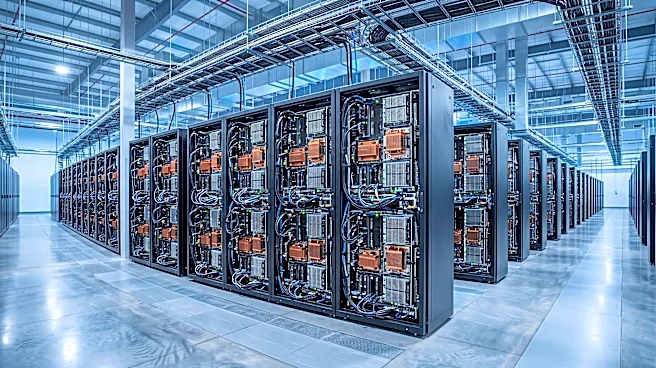
Cipher Digital Inc. (CIFR) is shifting its business model from bitcoin mining to the development and leasing of high-performance computing (HPC) data centers. This strategic move aims to create a more stable revenue stream through long-term contracts
with reliable tenants, reducing exposure to the volatility of cryptocurrency prices, mining difficulty, and power costs. Cipher is leveraging its existing power resources, development expertise, and relationships with hyperscalers to meet the growing demand for AI infrastructure. The company has already secured 700 megawatts (MW) of contracted HPC capacity across three campuses, backed by $16.6 billion in base-term contracted revenues. With lease extension options, this figure could reach $28.4 billion, with a weighted average lease term of 17.3 years and projected average annualized net operating income (NOI) of $864 million. Cipher began generating HPC leasing revenues in August 2026 with the commencement of operations at Black Pearl, contributing $5.9 million to third-quarter revenues, approximately 22% of the total. Construction at Barber Lake and Stingray is ongoing, with phased deliveries anticipated through 2027.
Why It's Important?
This strategic pivot by Cipher Mining is significant for the U.S. business landscape, particularly within the technology and data center sectors. By moving away from the unpredictable nature of bitcoin mining, Cipher aims to establish a more predictable and sustainable revenue model, which could attract more stable investment and foster long-term growth. The substantial contracted revenues and long-term lease agreements provide a clear financial outlook, contrasting sharply with the fluctuating fortunes often associated with cryptocurrency operations. This shift also highlights the increasing demand for high-performance computing infrastructure, driven by the rapid expansion of artificial intelligence. Companies like Cipher, with access to significant power resources and development capabilities, are well-positioned to capitalize on this trend, potentially becoming key players in supporting the nation's AI development. The success of this transition could set a precedent for other cryptocurrency-dependent businesses seeking more stable and diversified revenue streams in the evolving digital economy.
What's Next?
Cipher's transition will continue with the phased delivery of critical IT capacity at its Barber Lake and Stingray campuses through 2027. The company is also developing lateral natural gas pipelines to support up to 2.5 GW of potential on-site generation, which could further enhance its power independence and operational efficiency. While the shift to HPC leasing offers greater revenue visibility, Cipher faces risks associated with substantial project debt, ongoing construction spending, and negative operating cash flows, which could impact its path to sustainable profitability. The company's ability to manage these financial challenges while expanding its HPC infrastructure will be crucial. The market will likely monitor the progress of these construction projects and the growth of HPC leasing revenues as a percentage of total revenues to assess the success of this strategic pivot. The long-term impact will depend on Cipher's execution of its development pipeline and its ability to secure additional long-term contracts in the competitive HPC market.
Beyond the Headlines
Cipher's strategic shift reflects a broader trend in the digital infrastructure sector, where companies are adapting to capitalize on the burgeoning demand for AI and high-performance computing. This move underscores the increasing recognition that specialized data center capabilities, rather than just raw computing power for cryptocurrency, represent a more valuable and stable asset in the current technological landscape. The substantial investment in HPC infrastructure by companies like Cipher could have long-term implications for the U.S. economy, fostering innovation in AI and other data-intensive fields. It also highlights the evolving nature of energy consumption in the digital age, with a focus on developing on-site generation capabilities to support massive data centers. The success of this model could influence how other energy-intensive digital operations, including those in the cryptocurrency space, consider their future strategies, potentially leading to a more diversified and resilient digital infrastructure ecosystem.